Stop the Glass Shower: Dealing with Tube Bursts in Wafer Processing
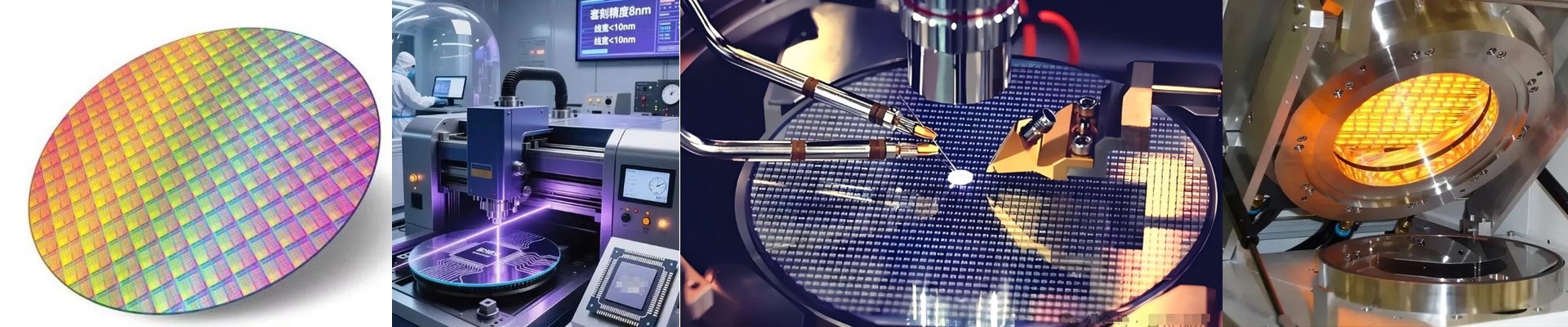
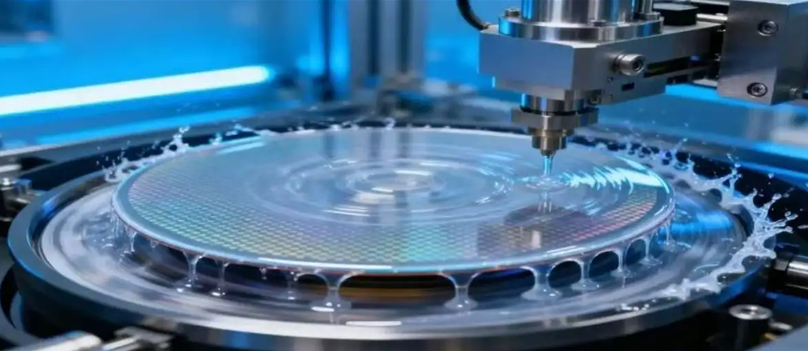
Let’s be honest: a burst infrared lamp is a total nightmare. When a quartz tube goes, it doesn’t just kill your uptime. It rains glass shards and metallic junk all over your wafers. One bad pop and your whole batch is trash. That’s exactly why we built our Clean room bench lamps to stop that disaster from happening. Keeping the mess contained We start with high-purity synthetic quartz. It’s tough enough to handle the shock of heating up and cooling down fast without cracking. We also scrub the tubes to get rid of any surface impurities that might shed particles. But the real secret is the containment sleeve. Think of it as a safety net. If the heating element fails or the tube finally gives in to the heat, the sleeve catches everything. The debris stays put, and your wafers stay clean. The heat struggle We all want faster ramp-up times, which means cranking up the wattage. But that puts a ton of pressure on the glass-to-metal seals. To fix this, we use connectors that actually hold a gas-tight seal, even when things get hot or you’re running a vacuum. One quick tip: be careful with your power supply. It’s tempting to over-volt the tube just to shave a few seconds off a cycle. Don’t do it. You’ll just kill the lamp’s lifespan and practically invite a blowout. The trade-off Here is the catch. Putting a safety sleeve around a bulb means there’s more material between the heat and your target. You lose a little bit of that infrared efficiency. It’s a small price to pay for peace of mind, but you might need to tweak a few things. Maybe increase your soak time or nudge the lamp height to get your thermal profile back where it needs to be. Just make sure to double-check your heat map after you install the guards. You want those wafers hitting the right temperature without accidentally baking your bench frame.