
Keeping Wafers Warm: The Truth About IR Heaters for Smart Trolleys
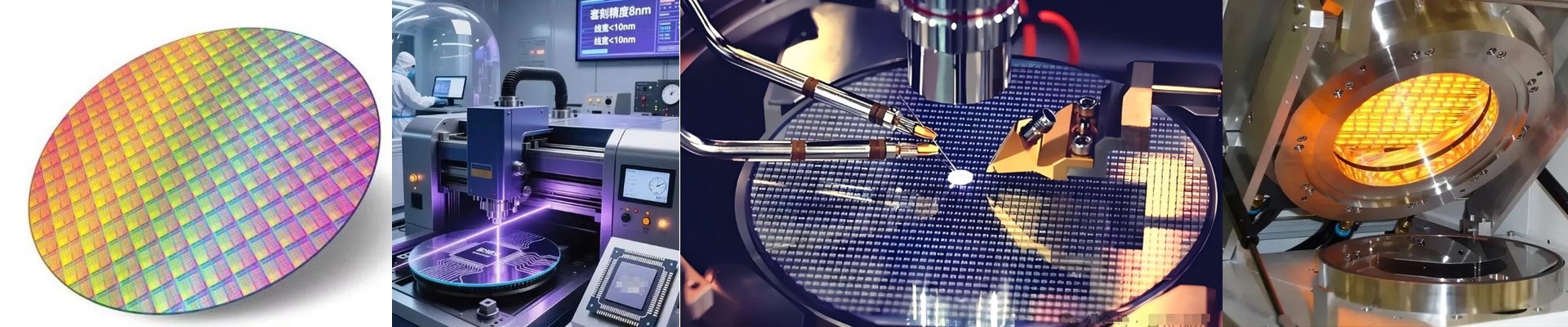
If you’re running a modern semiconductor Fab, you know that temperature swings are the enemy. When you’re moving wafers from one spot to another, “close enough” doesn’t cut it. You need that heat to stay rock-solid. That’s why we’ve moved toward shortwave infrared (IR) for our cleanroom trolley heaters. It just works better.
Why we ditched the old way
Most old-school heaters try to warm up the air first. But air is a terrible conductor. It’s slow, it lags, and in a fast-paced Fab, that delay is a liability. IR is different. It shoots energy straight to the target. No waiting around for the air to heat up. Plus, because it’s so responsive, we can hook it up to sensors for real-time data. It turns your heater from a “dumb” component into a smart node that actually talks to your production line. You get your target temp faster, and you stay there.
The tricky part: Fitting it all in
Here’s the thing: cleanrooms don’t give you much space to play with. We have to cram a lot of power into a tiny footprint. High-wattage IR lamps get the job done quickly, but they’re hungry. You’ll need to make sure your power supply can handle that initial surge when they kick in. And since we’re packing all this heat into a tight trolley chassis, you can’t forget the cooling fans. If you don’t move that waste heat away from your electronics, things are going to get messy.
Living with the trade-offs
To keep the air pure and avoid any nasty outgassing, we use quartz-encapsulated elements. They’re great for keeping the cleanroom spotless, and they slide right into the spots where your old resistive heaters used to live. But there is a catch. Quartz is fragile. It’s precise, but it can’t take a hit. One accidental bump during maintenance and you’ve got a cracked tube and a dead heater. To stop that from happening, we put protective guards around them. Just make sure the guards don’t block the IR wavelength, or you’re back to square one. Do it right, and your wafers stay warm while your automated workflow keeps humming along.