Why Infrared Heaters Are Knocking Out Old Lamp Heaters in Bathrooms and Sheds
Here’s what’s happening in real-world upgrades: high-waterproof infrared heaters are taking over from the old lamp-style heaters. Not because it’s flashy. Because it’s what the job actually demands—safety, reliability, and an install that doesn’t drag on forever.
Power, voltage, and the practical stuff that matters
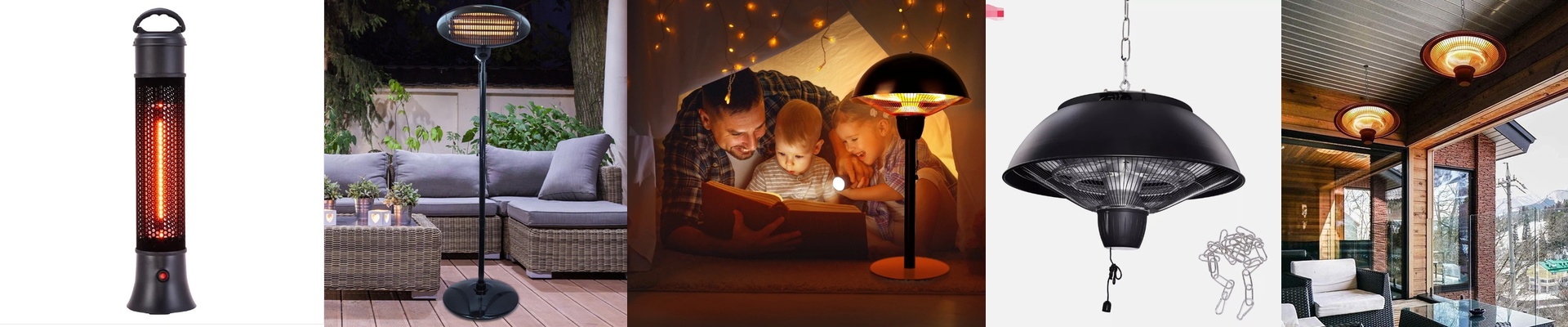
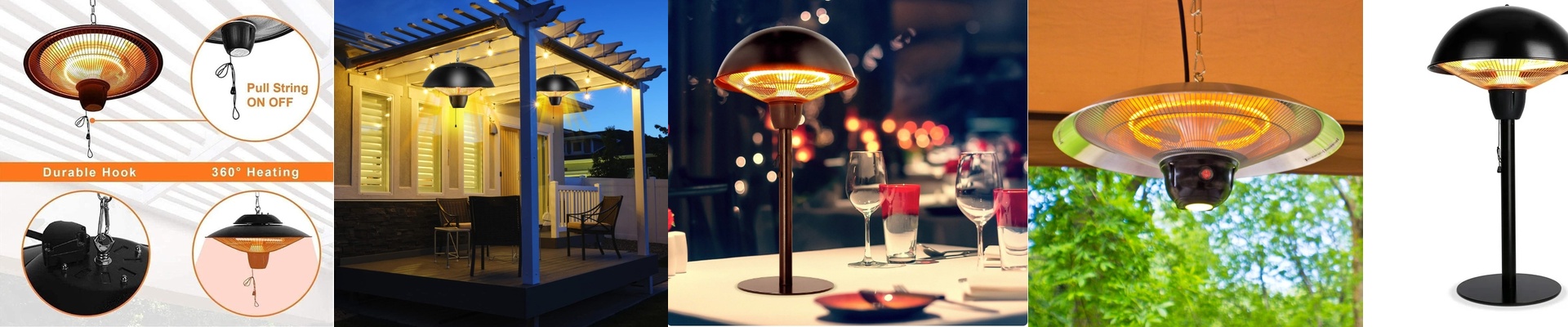
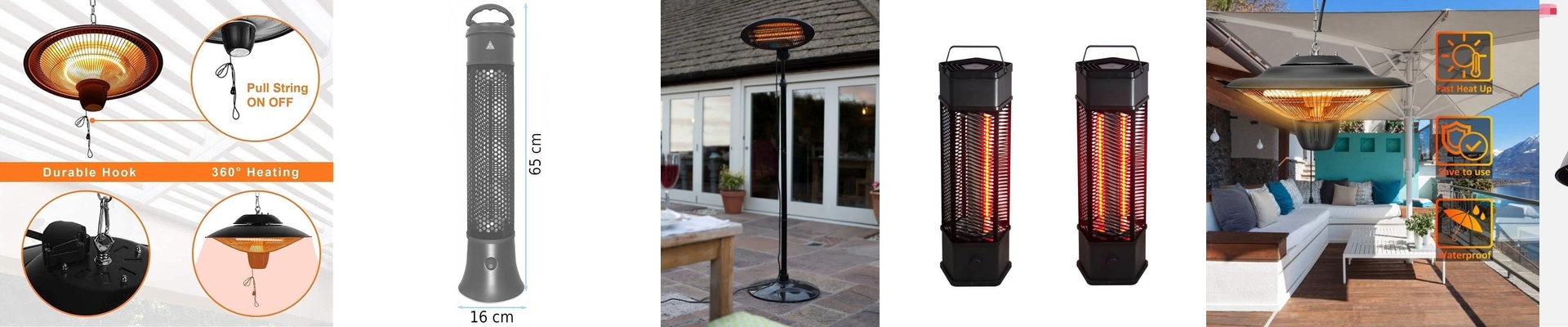
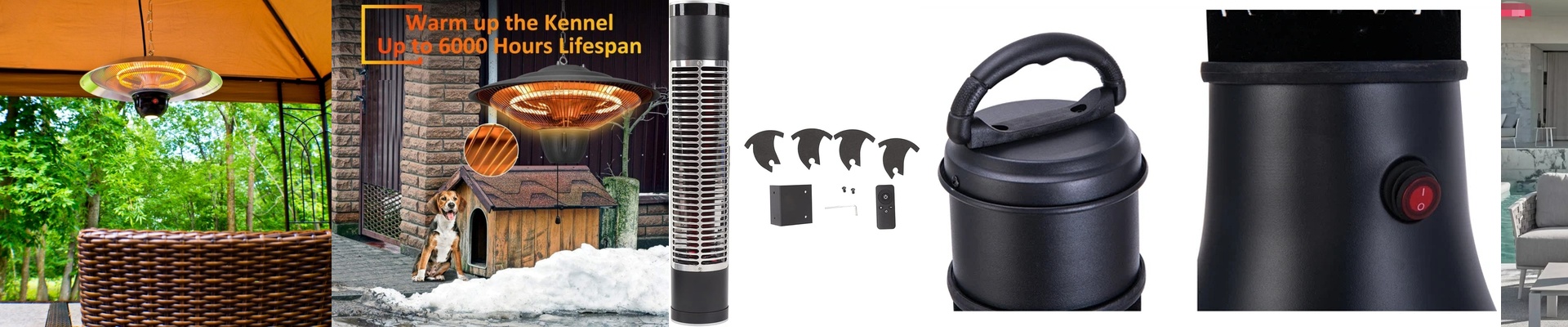
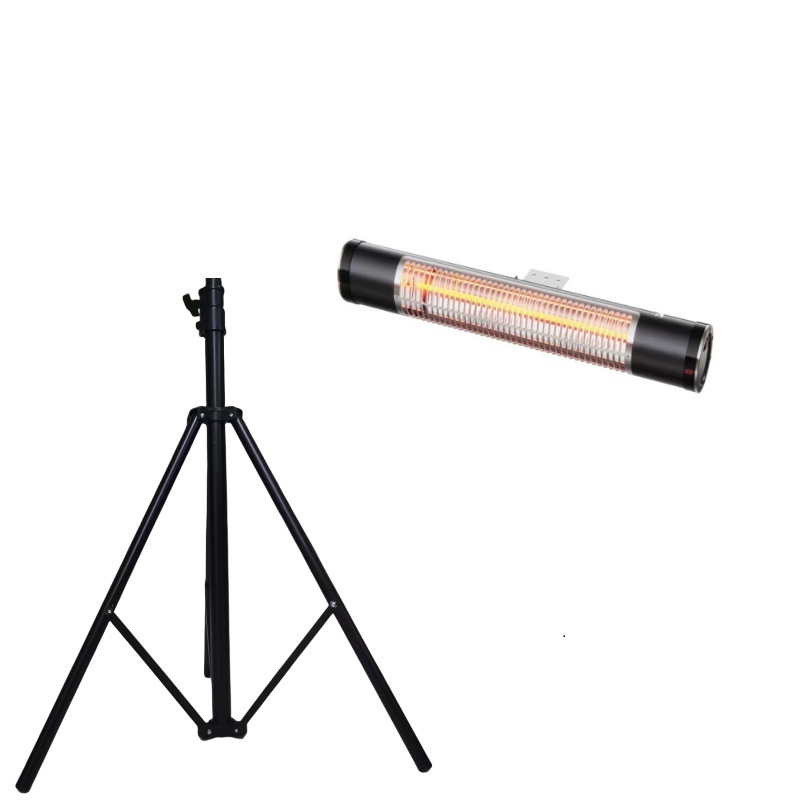
Infrared heaters are built around one idea: put heat where you need it, fast. A typical unit runs at 2500W and warms you up immediately, without wasting time heating all the air around you. That concentrated power is also why they can stay compact. You can mount them on a wall, keep the footprint small, and still cover the area you care about. And the voltage? It’s chosen to match the load—often 220V or 400V—so you can match the unit to the existing electrical run. No need to rewire the whole place. The length is kept tight too—around 300mm—so it fits into those awkward corners where a bulky traditional heater would be a nightmare.
What’s inside: quartz, coating, and connectors that earn their keep
The heart of these heaters is a quartz infrared tube. It handles rapid temperature swings without complaining, and it stays steady over long stretches of use. A protective coating keeps performance consistent and helps the unit shrug off environmental stress. And the waterproof rating isn’t just a sticker. It comes from sealed joints and proper gasketing that block moisture from getting in at the housing and the termination points. For termination, R7s or SK15 connectors are the standard. They give you solid, repeatable contact, help reduce hot spots, and make the unit a straightforward drop-in replacement when you’re retrofitting.
Where they shine: bathrooms, sheds, and the messy real world
Bathrooms and garden sheds are tough environments. High humidity, drafts, and not much ventilation. Old lamp heaters tend to burn out when moisture finds the socket, and they often leave cold spots because the heat is uneven. Infrared heaters deliver directional heat—right where people stand. They warm up quickly, and there are fewer moving parts to fail. There is a trade-off, though. The heat density is high, so you need proper thermal management. Mount with clearance, and make sure the circuit and cooling can handle the continuous load. For anyone doing the work, that means fewer callbacks, faster installs, and a system that can take a beating without getting fussy.