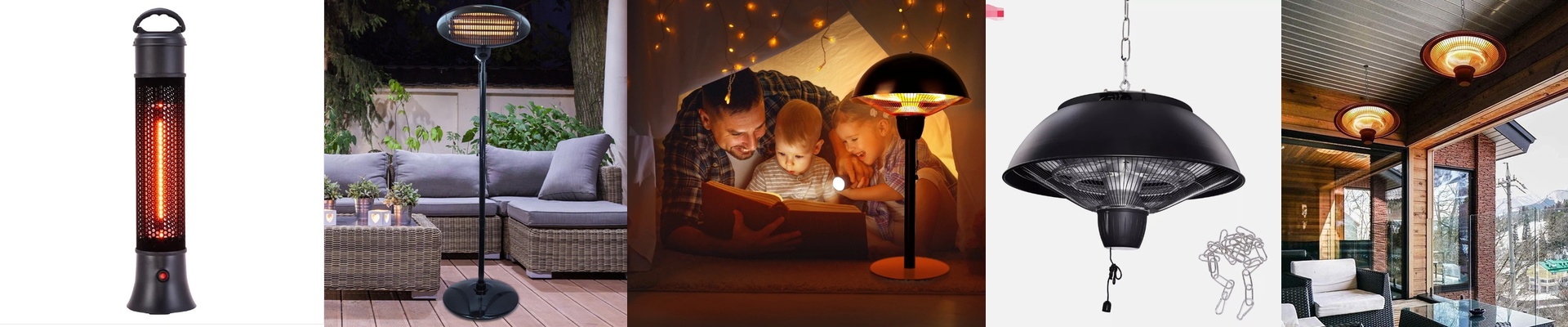
A glass-roofed attic gym is fantastic in the daylight, but that expansive glazing bleeds heat like crazy. You step inside, the air feels thin, and your muscles tighten before the workout even starts. Traditional forced-air heaters fight a losing battle here—they warm the air, which then shoots straight out through the glass, so you’re paying for heat that never sticks around.
What matters, technically
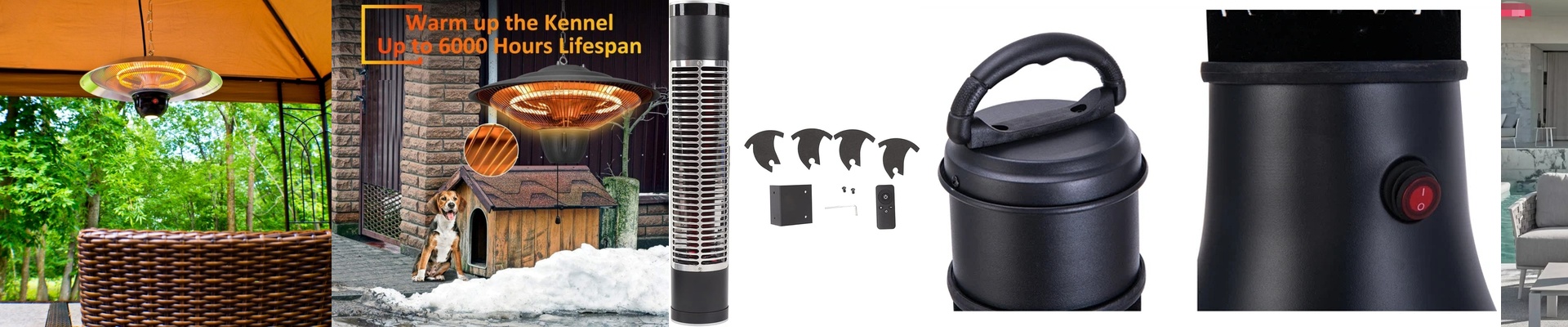
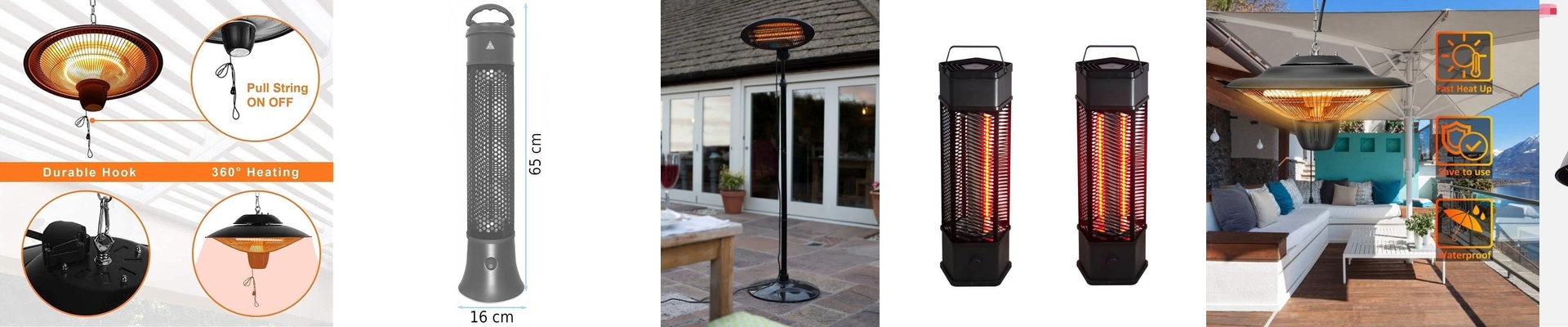
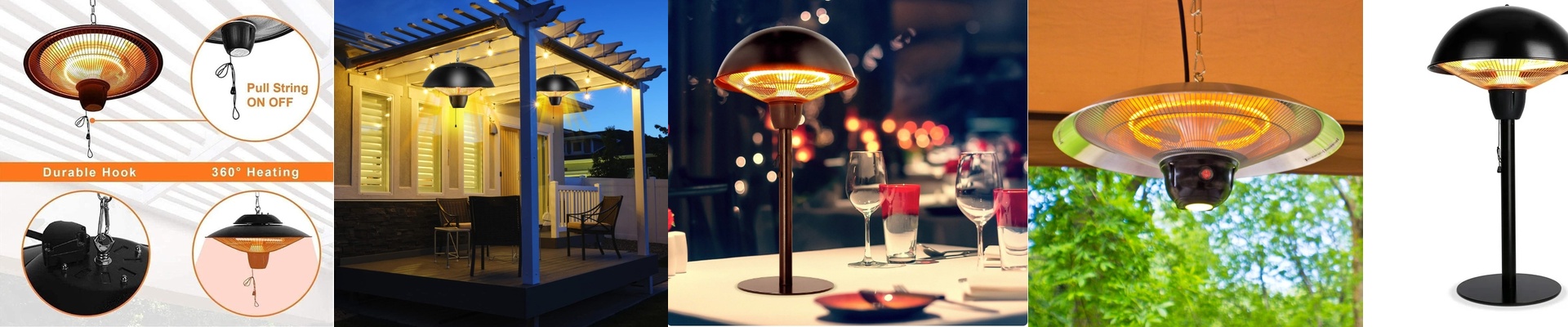
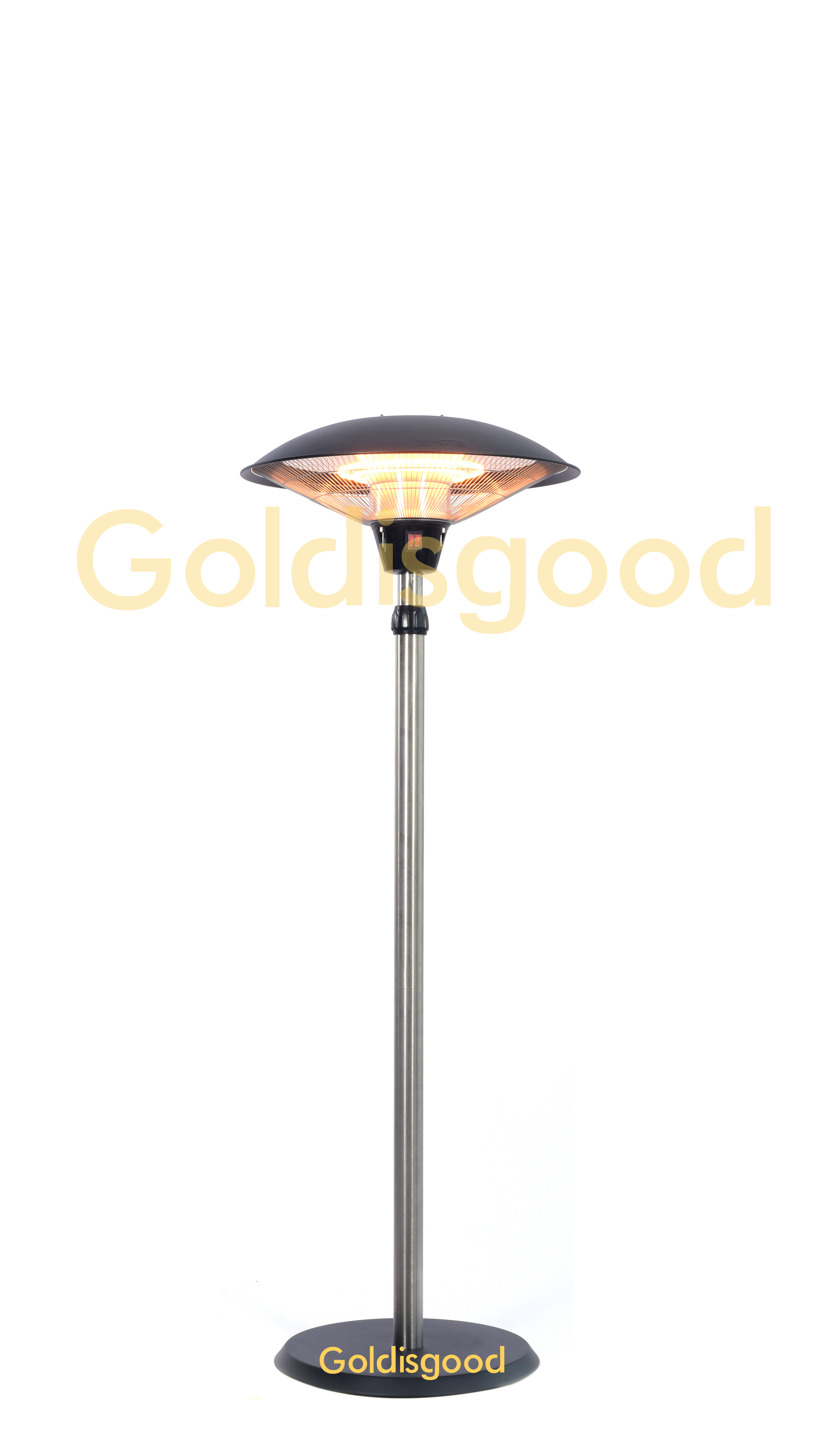
We built this gym electric heater around infrared radiation, not convection. A carbon fiber element comes up to temperature fast and delivers broad, even radiant heat that travels in straight lines—just like the sun. The payoff is warmth that hits people and surfaces directly, instead of wasting energy on the air in between. Pair that with a built-in thermostat and a focused reflector, and the unit holds a steady target temperature. No endless cycling on and off while heat leaks away. You get quiet operation, quick response, and a compact footprint that tucks neatly along walls or under eaves.
Why it works in an attic sunroom
The real win is staying warm without constantly chasing the thermometer. Infrared warmth settles on your skin and warms the floor and equipment, so your body feels cozy even when the air is cooler. That means fewer interruptions between sets, better circulation during cool-downs, and a space that feels ready the moment you walk in. Because the heat is directed where you need it, you’re not heating the outside. In practice, that means steadier comfort and lower running costs compared to systems that are always fighting heat loss through the glass.
What to keep in mind
Plan on a dedicated electrical circuit, and keep clearances clear around the heater for airflow and safety. Infrared heaters warm objects, not air, so drafts near doors or open windows will still feel chilly. For the best results, pair the heater with solid insulation and thermal shades to slow nighttime heat loss. This is honest comfort engineering—warmth where you feel it, without pretending the glass isn’t calling most of the shots.