Even a smart home that aims for comfort can burn through energy when the heating is off. Conventional systems hang onto heat, overshoot the setpoint, and keep running well after you’d rather they shut down. That’s just kilowatt-hours going out the door.
What matters under the hood
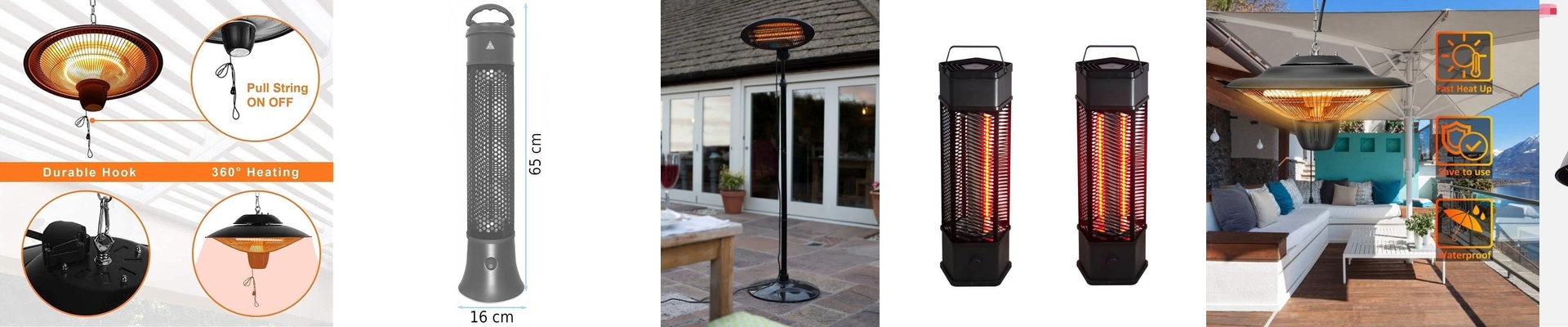
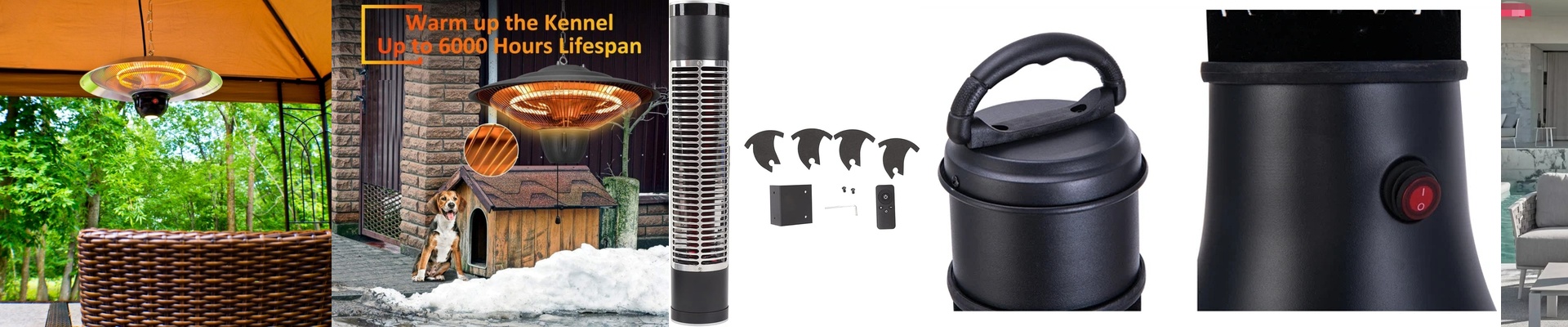
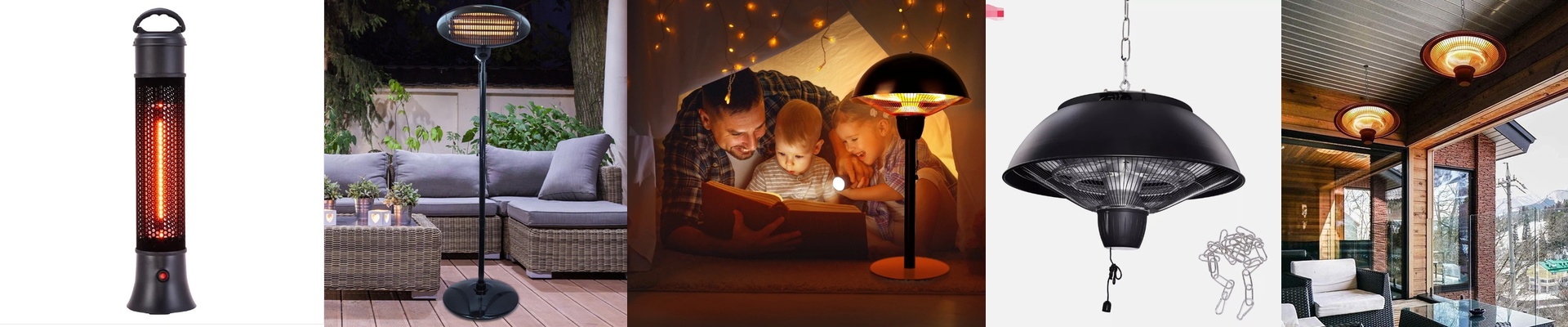
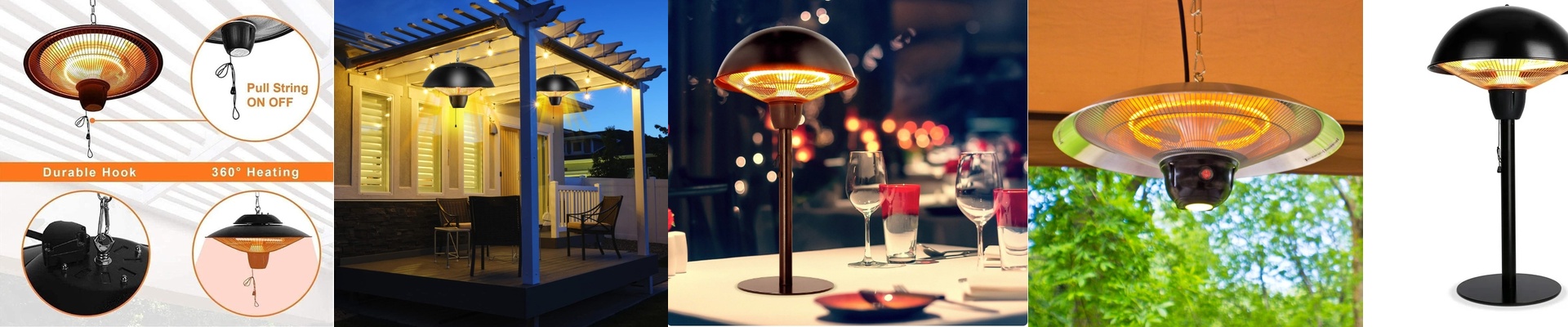
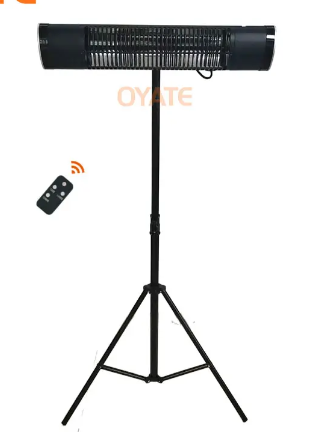
We built our commercial radiant heater around a low-inertia infrared element—either a carbon fiber strip or a quartz emitter. These aren’t the heavy, heat-soaking coils you see elsewhere. They hit full output in seconds and stop radiating the instant power is cut. That responsiveness isn’t a nice-to-have. It’s the physical basis for tight, demand-based control. In real life, you get warmth on demand, with no lag and no lingering residual heat that makes the system fight itself.
Why this plays well with smart control
A smart comfort loop needs a heater that keeps pace with sensors, schedules, and people coming and going. A low-inertia infrared heater pairs naturally with smart controls because it can switch on and off quickly without overshoot. When the room hits the setpoint, the heat stops right then. The system idles clean instead of coasting. That’s how a smart setup actually saves energy—by cutting runtime and avoiding the long tail of unnecessary heat that conventional elements drag along.
What to keep in mind
For the best results, team the heater with a compatible thermostat or smart controller, and position it so occupancy sensors have a clear view of the main seating area. These units deliver focused radiant warmth, so comfort is strongest where the beam lands. If you want whole-room comfort, plan for multiple units or add some air movement to spread the heat evenly. Also, make sure the circuit and outlet match the unit’s power rating, and keep the heater clear of furniture so it stays within safe operating temperatures.