
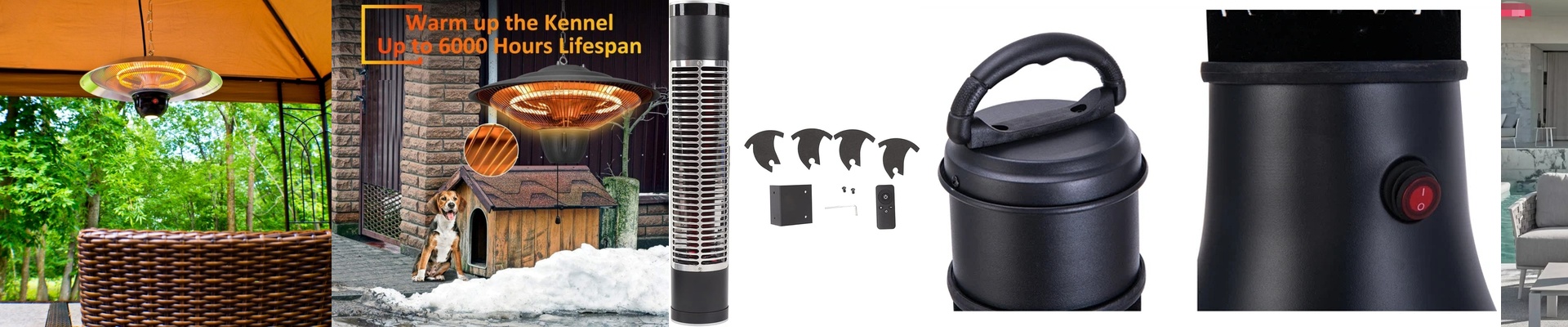
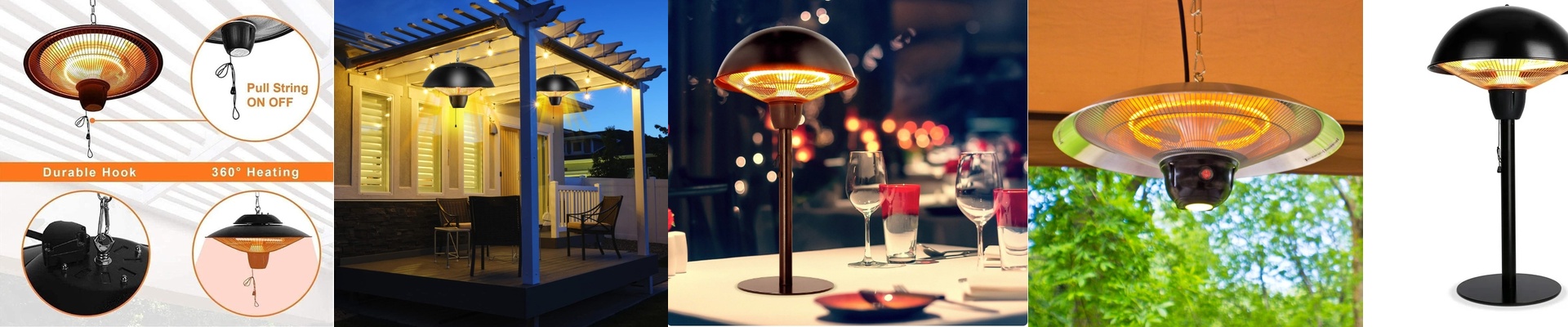
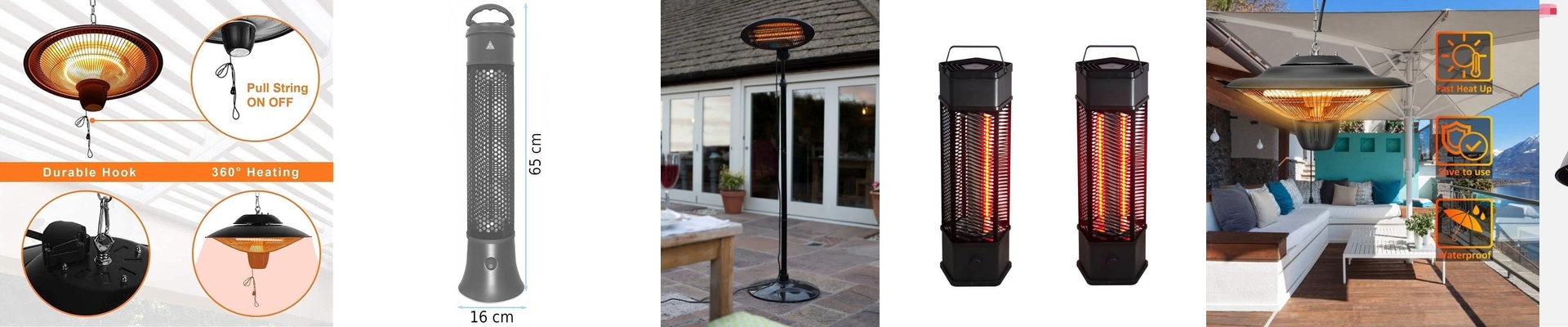
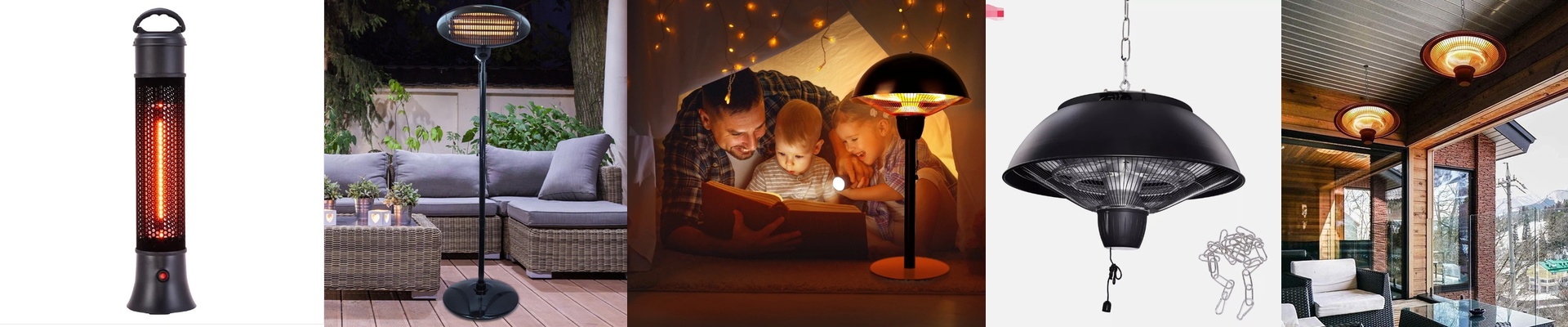
Winter hits, and the real annoyance isn’t just the cold—it’s the cold in the wrong places. You’re sitting by the window, feeling a draft, while the thermostat claims everything is fine. Or you’re heating an empty room because the sensor is on the other side of the wall. We built our smart infrared heater to fix exactly that. It reads the room—motion, air temp, and surface temp—then sends warmth where you actually are.
What actually matters under the hood
We run a carbon fiber infrared element. It throws radiant heat that comes on fast—no long preheat, no forced air kicking up dust. It’s designed for home use, so it plugs right into a standard 120V outlet, and the heat output is steady and adjustable, either from the panel or the app. The built-in thermostat and motion sensor team up: the heater stays active while you’re there and backs off when you leave, so you’re not throwing energy at an empty space. For safety, it has tip-over protection and a cool-touch housing, which makes placement in living areas straightforward without that constant “what if” nag.
Why this approach fits modern living
Modern homes are open, drafty, and multipurpose—office by day, family room by night. Infrared warmth targets people and objects directly, so you feel cozy even when the air temperature is cooler, and the adaptive logic smooths out the swings that make comfort feel inconsistent. The result is fewer hot/cold surprises, a quiet operation, and that even, relaxing feel you want without the noise.
The practical details that make the difference
Infrared heats surfaces, so comfort depends on what the beam hits. Position the heater so the radiant field lands on seating areas, not bare walls, and keep the motion sensor’s path clear so it does its job. It’s plug-and-play, but for best performance, keep the cord out of high-traffic zones and give the housing a little clearance so airflow isn’t blocked.