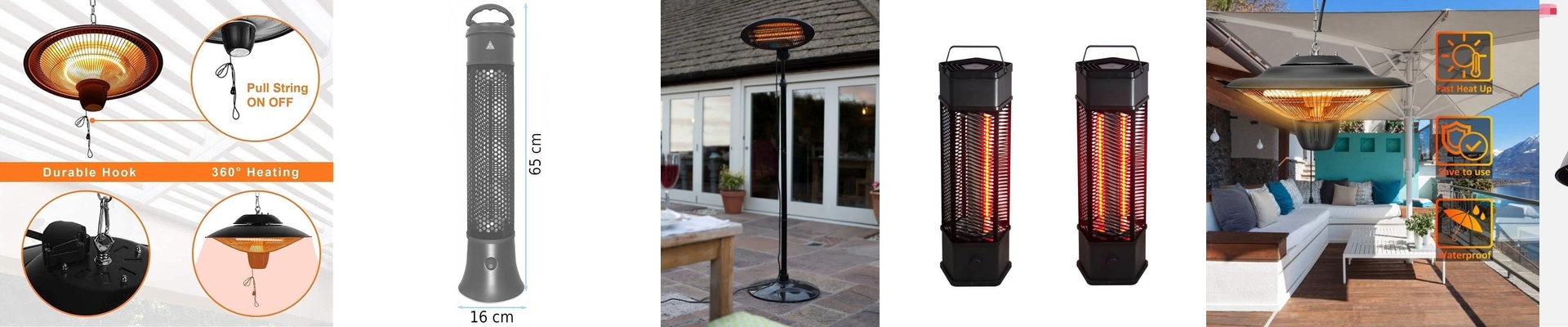
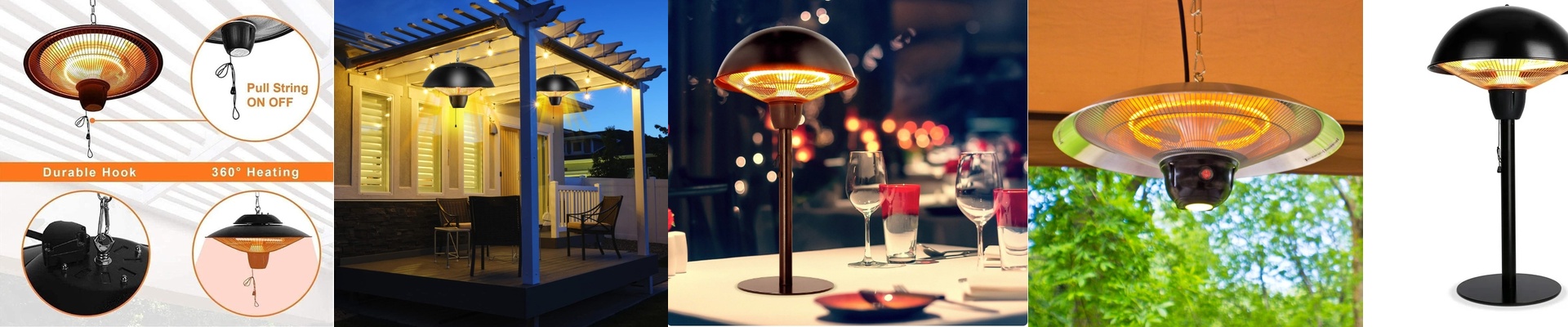
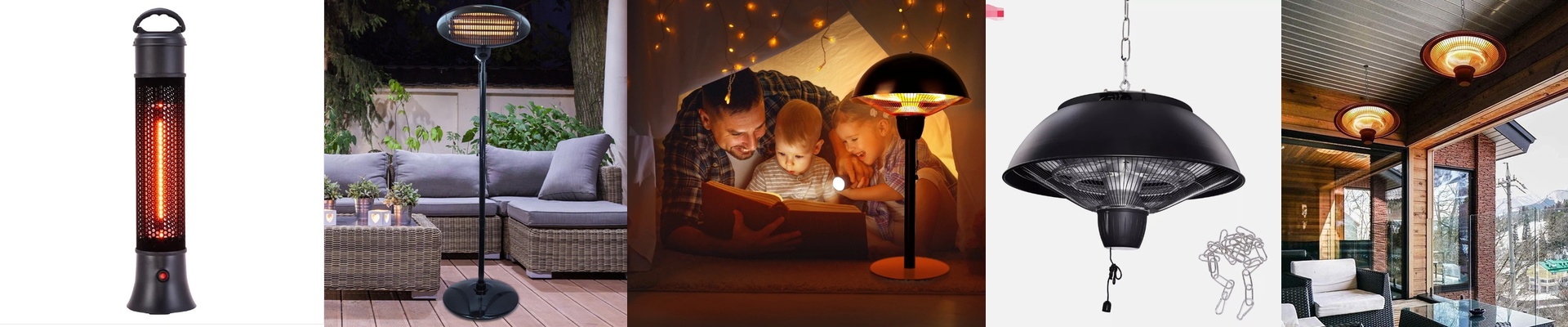

You feel it the first cool night: the warmth is off, the glow looks dull, and the heater starts cycling longer. That layer of dust on the reflector and tube isn’t just cosmetic. It scatters radiant heat, blocks infrared output, and quietly drives your operating costs up.
What actually matters under the hood
Infrared electric heaters deliver comfort by radiating heat directly to people and surfaces, not by trying to warm the air. On 12V and 24V models, the power supply is matched to low-voltage wiring—common in RVs, boats, and outdoor setups where you want warmth without the noise and fumes of combustion. Inside, you’ve got a quartz tube or carbon fiber element paired with a reflector. Keep the reflector film and tube surface clean, and more of the energy leaves as usable infrared warmth. Let them get coated with dust, and some of that heat gets absorbed and re-radiated in the wrong direction. You end up with less heat where you need it, and the unit has to run longer to make up for it.
Why cleaning makes the difference
Regular cleaning is the simplest way to keep energy use in line and protect performance. Wiping down the tube and reflector takes minutes, but it helps maintain the heater’s original output. That means you feel warmth faster, and the heater doesn’t have to overwork to do its job. Clean components also help stabilize temperatures, reduce hot spots, and support longer element life. The payoff is steady comfort, fewer surprises on chilly mornings, and a heating routine that feels dependable.
The practical details
Always power off and let the heater cool before you clean. Use a soft cloth and a non-abrasive cleaner—never spray liquids directly into the unit. Keep power connections tight and corrosion-free, and make sure the heater matches the correct voltage. Low-voltage systems can be sensitive to wiring length and gauge. If voltage at the unit drops, performance falls off. Plan your wiring accordingly, and if you’re running long runs, step up the wire size so the heater gets the power it needs.