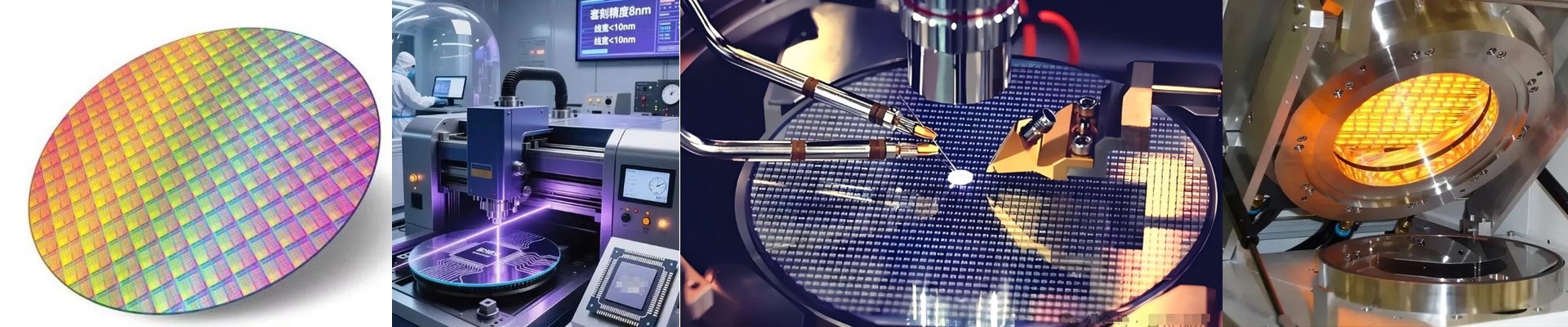
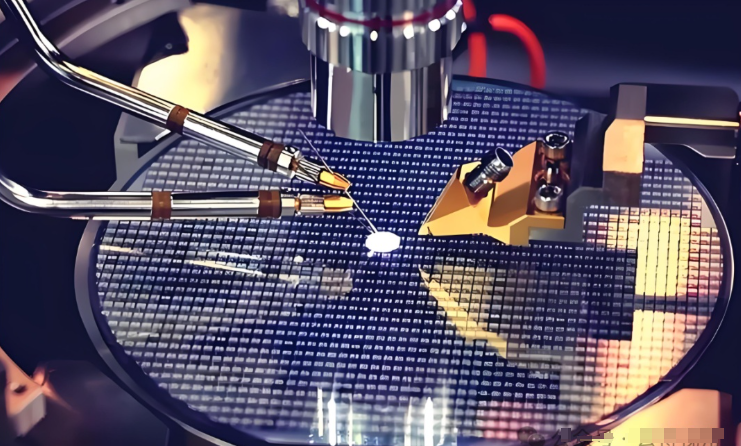
On the fab floor, a 90°C soft bake isn’t a suggestion—it’s a spec. A 2°C swing can tilt the photoresist profile, drive line-width variation, and turn a good lot into scrap. We built our semiconductor infrared heating lamps for that kind of reality.
What Matters Technically
The lamps run short-wave infrared (SWIR) halogen elements inside quartz envelopes, dumping energy straight into the target with minimal heating of the surrounding air. The payoff is fast response and tight control. Across a 300 mm wafer, the thermal profile holds ±0.1°C, and repeatability stays within 0.05°C over 24 hours. Cleanroom rules are non-negotiable, so the assembly is rated for Class 1–100 environments. We use low-outgassing materials and a particle-controlled build that keeps counts from drifting. Output stability is specified to stay within 2% over 5,000+ hours, and the lamp body has standard mounting and electrical interfaces so it drops into existing tracks and bake plates without a fight.
Why It Works Here
In lithography, the bake step sets the photoresist solvent budget and the sidewall angle before exposure. Our infrared lamps hit the wafer fast and even, which shortens cycle time without stressing the film. Soft bake and hard bake both run with the same thermal discipline, cutting rework and lifting yield across nodes. Energy use drops because the heat goes where it needs to go—straight into the resist—instead of soaking the chamber walls. And reliability means fewer unplanned stops: no lamp swaps mid-lot, no drift chasing between lots.
Things to Know
Installation comes down to matching the reflector geometry and focal distance to the wafer path. If that alignment is off, uniformity will slip. The lamp runs hot, so shielding and interlocks need to be checked before you qualify the process. We support integration with common controllers, but the bake profile still needs a site-specific map to account for stage thermal load. Do the initial characterization right, and the lamp will hold the process—batch after batch.