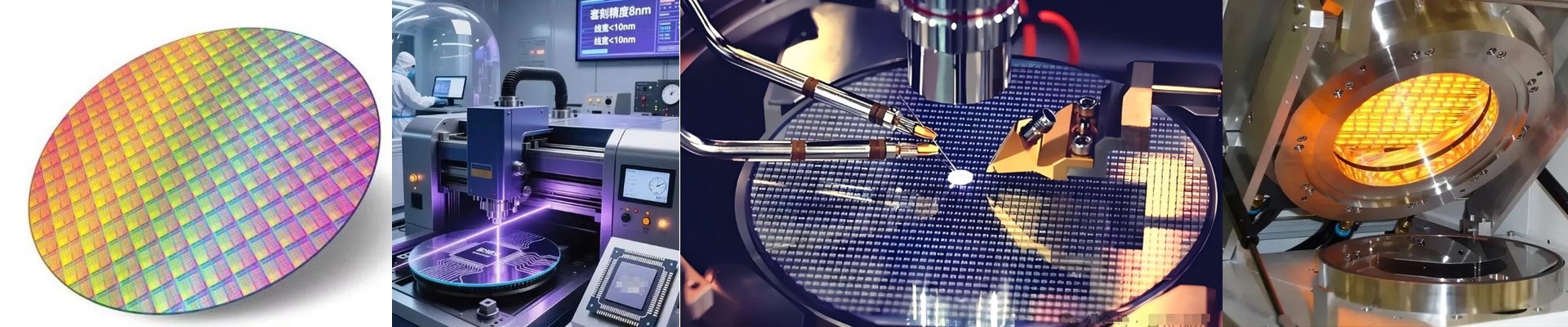


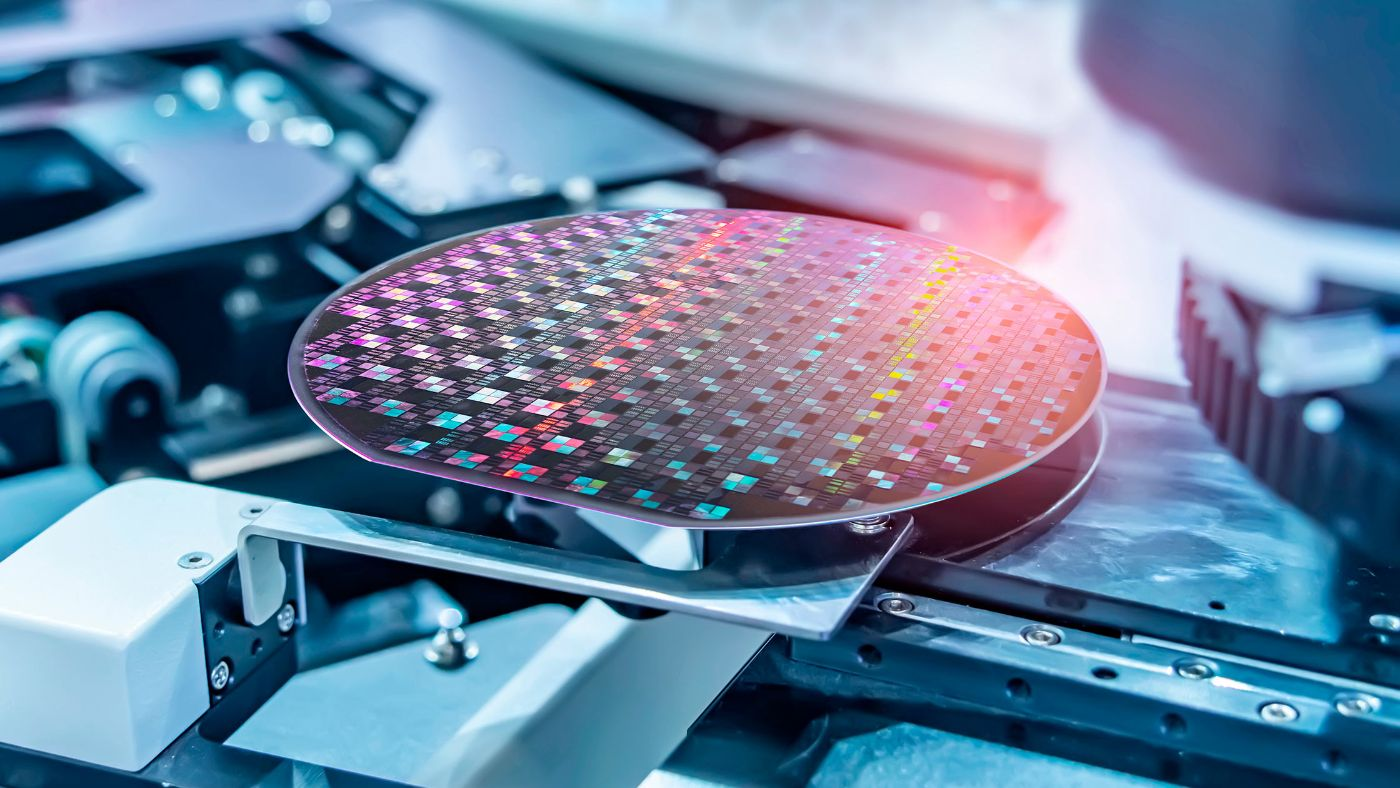
Out on the catalyst line, a 15-minute lamp drift wipes out everything you gained from the last ink tweak. Layer uniformity goes south, particle counts jump, and that catalyst layer never hits the porosity you need. We built this fuel cell catalyst drying lamp to keep that from happening in the first place. What matters under the hood It runs on near-infrared (NIR) lamps, with a spectrum tuned to pull solvent out fast without wrecking the catalyst dispersion. Across the wafer, temperature stays within ±0.1°C, and setpoint repeatability holds at ±0.5°C. The output stays steady on 7×24 runs—field units have racked up 5,000+ hours and still show less than 5% drop. Cleanroom behavior isn’t an add-on; it’s built in. Class 1–100 compatible, zero particles at the process interface, and a sealed optical path that keeps outgassing and contamination out. Why it fits the process Catalyst drying has to be fast, clean, and repeatable. NIR gives you instant thermal response without contact, so you cut cycle time while keeping the catalyst structure intact. Photoresist-level thermal control keeps the thermal budget predictable, so every batch follows the same cure profile. Zero unplanned downtime isn’t a tagline—it comes from a solid thermal design, controlled ramp/soak profiles, and a lamp life that cuts replacement frequency. The payoff is stable catalyst activity, less scrap, and throughput you can count on. Here are the practical notes The lamp drops into standard footprints, but you still need to verify the thermal budget of the substrate stack upstream. If you’re running thick or high-thermal-mass substrates, dial in the NIR power density and dwell time so you don’t get localized overshoot. And plan the cleanroom interface right—match the exhaust and shielding to the lamp specs. The process only stays repeatable when the surrounding airflow and particle control are aligned.