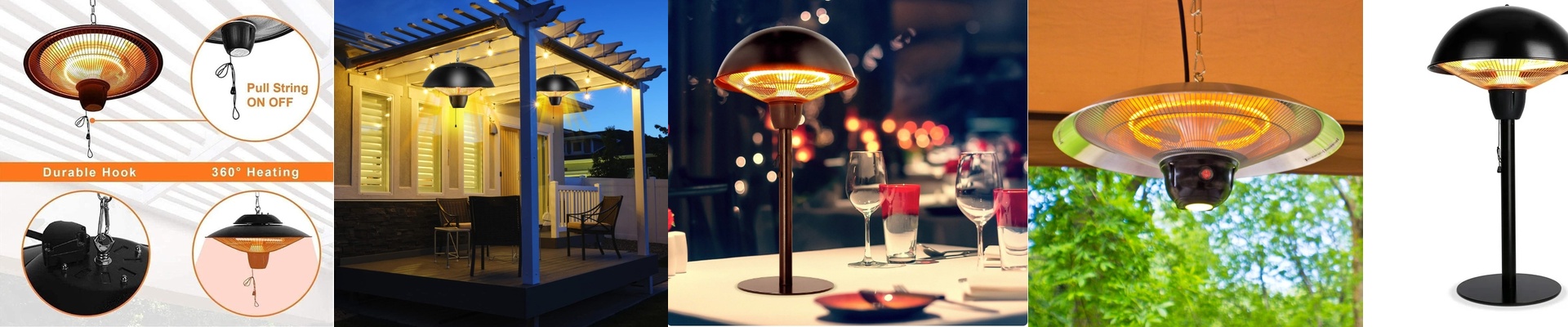
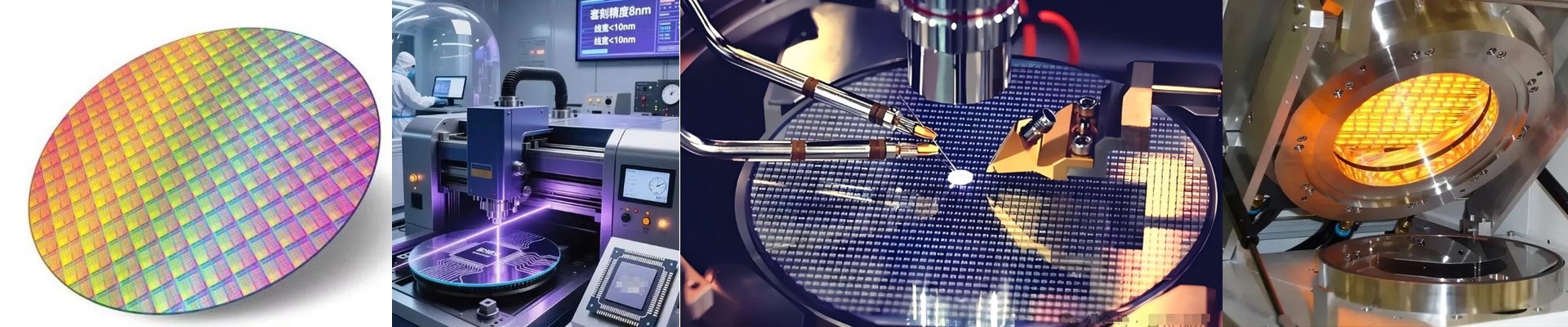
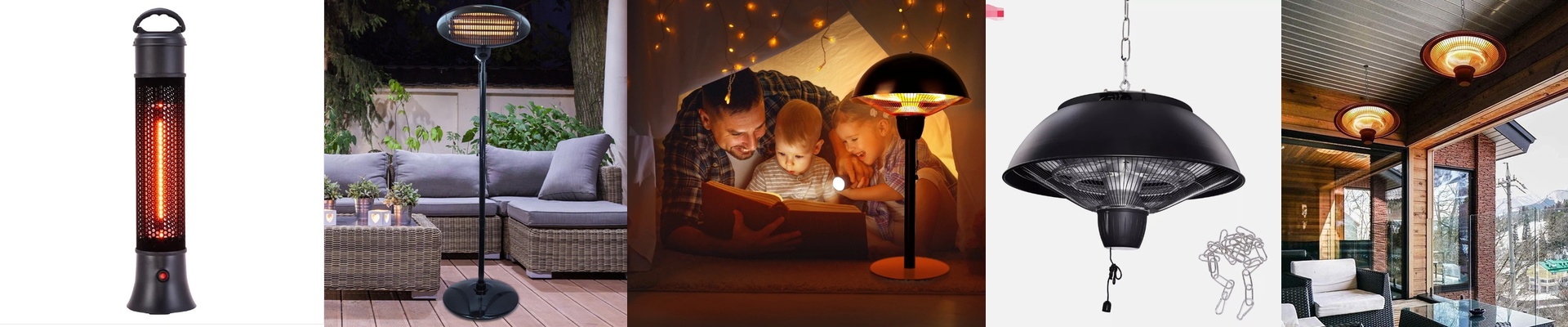
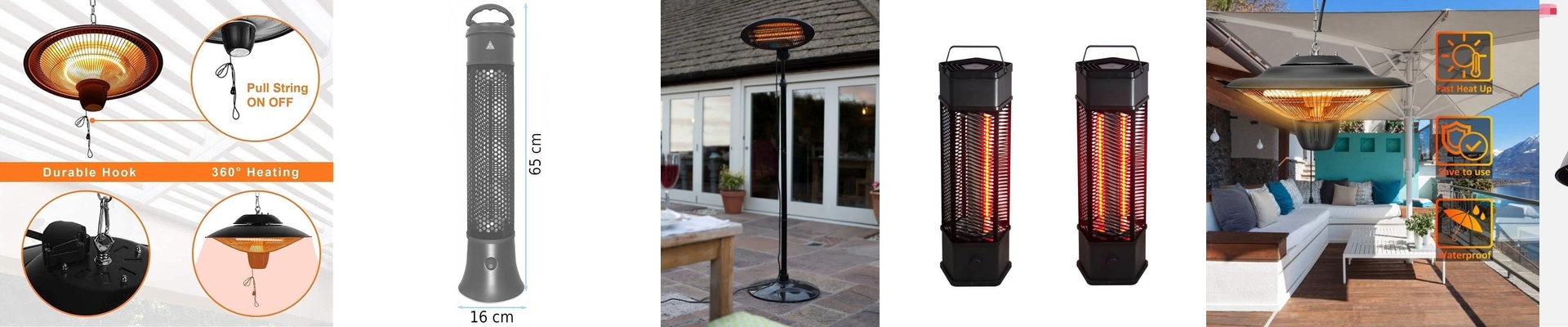
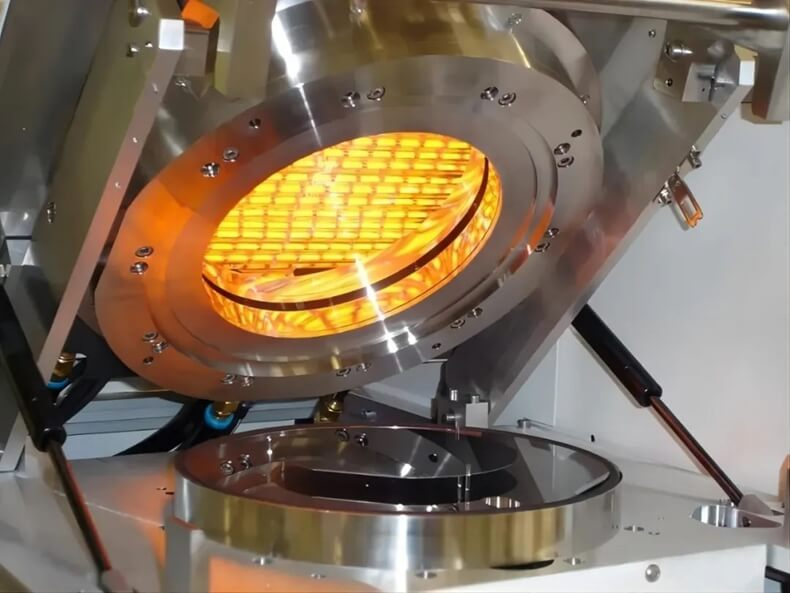
On the burn-in line, temperature isn’t just another setting. It is the process. A drift of a few degrees can hide latent defects—or trip a false fail and scrap wafers that should have shipped. We built our wafer burn-in heating lamp to take that uncertainty off the table. What actually matters under the hood The lamp hits wafers with near-infrared (NIR) for fast, direct heating and low thermal mass. We target wafer-level uniformity within ±0.1°C, holding setpoint stability through soak and ramp without overshoot. The emitter array sits in a quartz and ceramic assembly rated for Class 1–100 cleanroom use, with surfaces chosen to keep particle generation as close to zero as you can get. Output stays repeatable run-to-run, so your soft bake and hard bake profiles carry the same thermal signature from the track straight into burn-in. Why this approach fits burn-in Burn-in needs to be harsh, but never sloppy. NIR gives you the snap response required for high-throughput test sequences, and the tight uniformity protects fine geometry—no local hot spots to shift photoresist, add stress, or kick off slip. The lamp runs 24/7 with predictable maintenance windows, so uptime stays steady. Energy use is measured and managed, not thrown away heating fixtures. You end up with stable profiles, fewer re-tests, and less scrap. The practical details you’ll want to get right The lamp works with standard burn-in fixtures and test handlers, but alignment to the wafer plane is critical. Commissioning is quick—tune distance, angle, and emissivity compensation for your stack, and you’re set. If you’re operating near Class 1 limits, plan on extra shielding, and line up airflow and thermal isolation accordingly. Once aligned, the system behaves like a fixed process variable: predictable, measurable, repeatable.