
Making Your Fab Actually “Smart” with Infrared
If you’re looking to move toward an Industry 4.0 setup, you probably already know that software is only half the battle. You can have the fanciest dashboard in the world, but if your hardware can’t talk to your data layer, you’re just guessing. That’s where infrared (IR) systems come in. They aren’t just about heat; they’re a direct line to the digital data you actually need.
Heat That Keeps Up With You
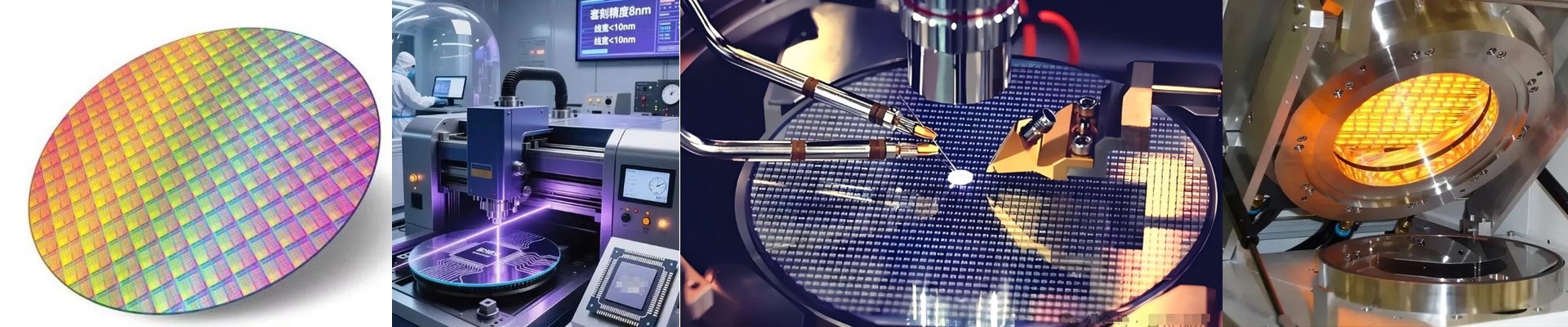
Old-school heating elements are slow. They lag. Trying to get a PID controller to behave with them is a headache because they take forever to react. We use high-density IR emitters because they’re basically instant. They heat up and cool down in a blink. This means you can sync your heat output exactly with how fast your production line is moving. When you plug these into a digital PLC, you stop wondering about your energy spend. You can actually track exactly how much power goes into every single wafer or substrate. Suddenly, heating isn’t just a monthly bill you pay—it’s a number you can optimize.
The Catch: Power vs. Cooling
Here’s the thing. IR systems pack a massive amount of energy into a tiny footprint. It’s great for keeping your clean room from feeling like a warehouse, but there’s a trade-off. All that concentrated heat has to go somewhere. If your exhaust and cooling can’t keep up, the ambient heat will start messing with your sensors. That leads to thermal drift, and once your data drifts, it’s useless. **Do yourself a favor: check your HVAC capacity before you install high-wattage IR arrays.**It saves a lot of swearing later.
Why Bother With IR?
The best part? No convective mediums. That means fewer particles floating around your clean room and a much lower risk of contamination. It’s a non-contact heat source. There are no mechanical parts grinding away or wearing down. Your maintenance windows get shorter because you aren’t replacing broken heaters every few months. Instead of guessing when something might break and scheduling a shutdown “just in case,” you can just look at the lamp hours and output. You fix it when the data tells you to, not because a calendar told you to.