
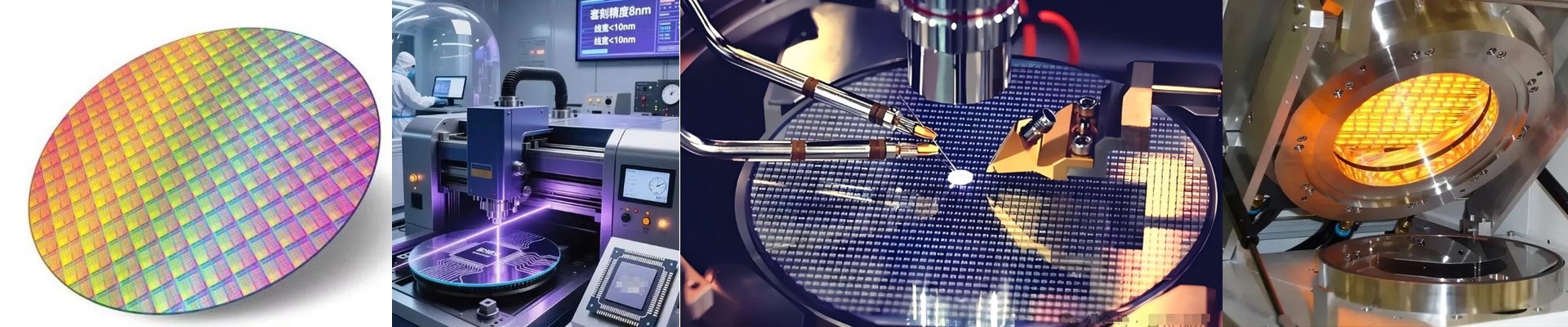



Keeping Your Class 100 Cleanroom Actually Clean
When you’re running a Class 100 cleanroom, a single stray particle is a nightmare. One little flake of dust or a bit of outgassing, and your wafers or optical components are trash. It’s frustrating. Most standard heating elements are the culprit here—they flake, they peel, and they leak chemicals. We figured out a better way by pairing high-purity synthetic quartz tubes with carbon fiber heating elements.
Why this materials mix works
We went with high-purity quartz because it can handle the heat without cracking or turning into dust. Then there’s the carbon fiber filament. We keep it vacuum-sealed. This is the secret sauce because it stops the oxidation that usually makes metal filaments burn out or flake off over time. No cheap glues, no weird coatings. Just clean, stable heat that doesn’t dump particles into your air.
The nitty-gritty on performance
These lamps hit high heat density fast. Because of that carbon fiber core, you aren’t sitting around waiting for the equipment to warm up. It saves time and energy. We tune these for a very specific wattage-per-centimeter, so you get a nice, even heat across your entire substrate. One quick heads-up on your power supply. High-density infrared lamps pull a lot of current. If you’re installing a big bank of these, double-check your wiring and breakers. You don’t want a voltage drop mid-process, or you’ll end up with uneven heating and a lot of wasted material.
Getting them into your line
Swapping these in is pretty easy. They’re designed to be drop-in replacements for your current IR setups. The quartz envelope acts like a shield, keeping the heating element totally isolated from your cleanroom air. But here’s the catch: they’re fragile. High-purity quartz is stiff, but it can snap if you’re not careful. One clumsy move during installation and you’ve got a cracked tube. To avoid that, I highly recommend using soft-touch mounting brackets. It gives the material room to breathe and expand as it heats up without putting too much stress on the glass.