

Keeping Bathroom IR Heaters from Shorting Out
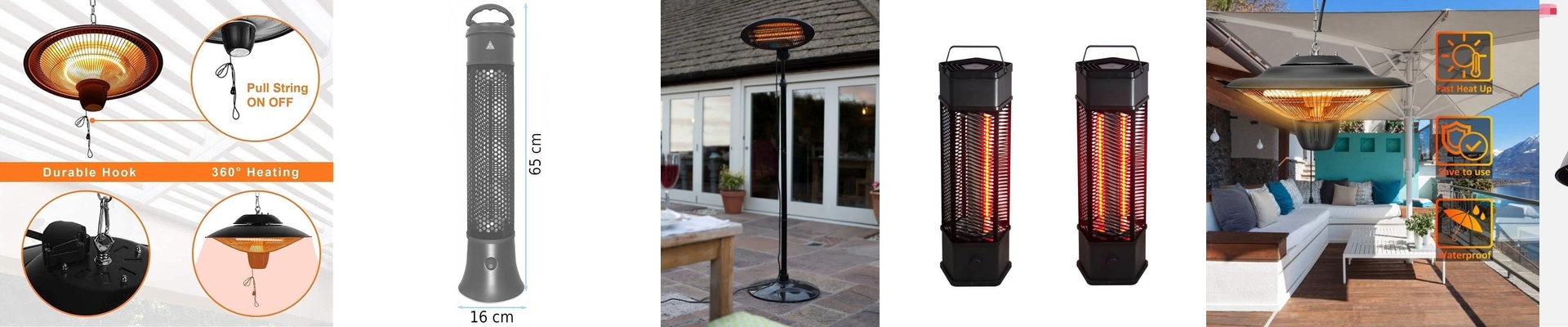
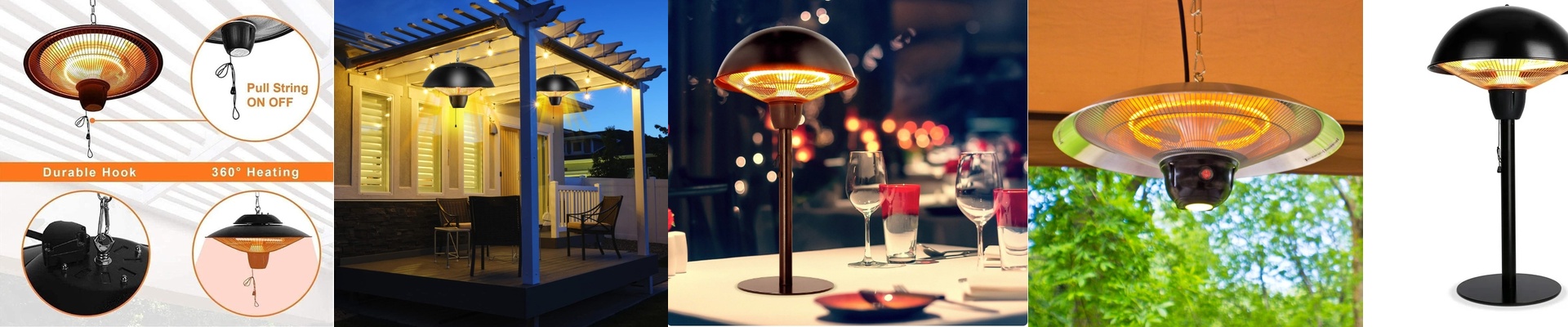
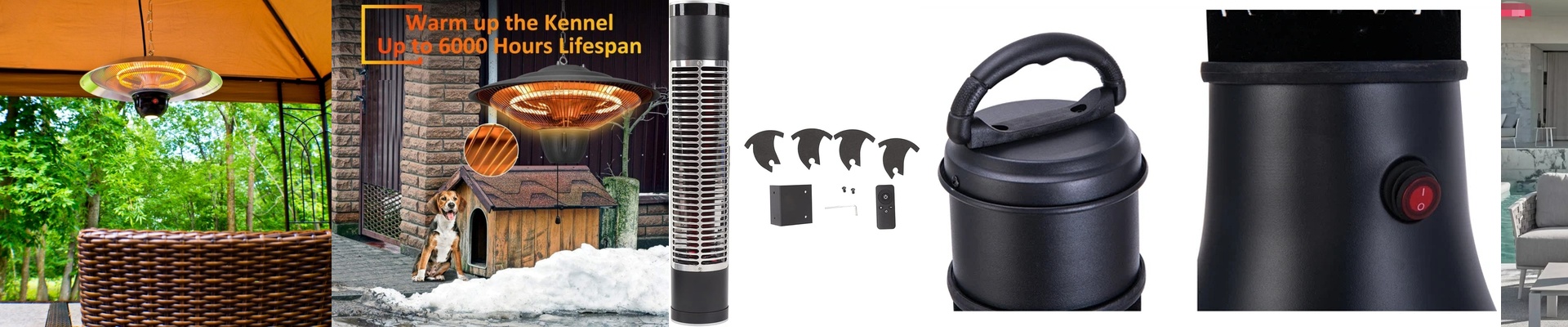
Putting infrared heaters in a bathroom is basically like inviting a fight with steam and water droplets. Moisture loves to conduct electricity, and if your insulation isn’t spot-on, you’re looking at leakage currents or, worse, a total short circuit. Here is how we actually handle the tricky parts to make sure these things stay safe. The battle against leaks We go with high-purity quartz glass for the envelope. It’s tough, it handles the heat spikes, and it keeps moisture out. But the real headache is the seal where the electrodes hit the glass. We use hermetic seals there because if even a tiny bit of water vapor sneaks into that halogen gas fill, the filament just pops. Poof. Gone. Wiring that doesn’t quit Standard connectors are a joke in a steamy bathroom. We use moisture-resistant terminals and make sure the chassis is bonded to a solid ground. You also can’t just use any wire. It has to be heat-resistant cabling that won’t get brittle or flake away after being heated and cooled a thousand times. We usually wrap everything in IPX4 rated housings just to keep the direct splashes away from the junctions. The heat vs. safety struggle Everyone wants those high-wattage shortwave lamps because they heat up instantly. But there’s a catch. That kind of intense, localized heat can bake standard wire insulation until it cracks. It’s a balancing act. You have to match the lamp’s power with enough ventilation in the housing. If you cram it into a space that’s too tight, the trapped heat will eat your insulation faster than the humidity ever could. The final check We don’t guess. We use a megohmmeter to test the insulation resistance before anything leaves the shop. If it doesn’t hit that minimum MΩ number, it stays on the bench. Period.