
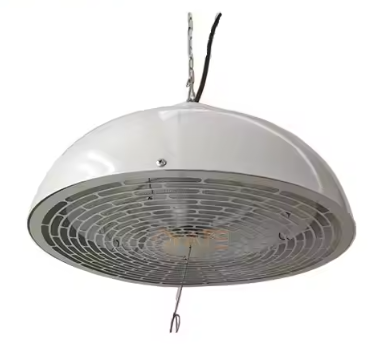
Stop Throwing Away Your Heaters
Most outdoor heaters are basically disposable. They’re built as these sealed blocks, and the second a heating element gives up the ghost—usually after a few years of fighting salt air and humidity—you’re stuck. You can’t fix it, so you scrap the whole thing. We thought that was a waste. So we did things differently with our IP65 garden heaters.
The “Slide-In” Secret
Instead of soldering everything together in a permanent tangle, we went with a modular design. We use quick-connect terminals and clip-on brackets for the infrared tubes. Here is why that actually matters: if a tube burns out, you don’t have to tear the whole machine apart or ruin the weather seal. You just pop the access panel, unplug the dead element, and slide in a new one. It turns a miserable afternoon of dismantling hardware into a two-minute job.
Keeping the Water Out (Without Locking You Out)
Usually, making something “water-jet proof” means using permanent gaskets that you have to destroy to get inside. To get around that, we separated the heating chamber from the electrical junction box. The modular inserts live inside their own protective shroud. It means the heater can take a beating from the rain and snow, but the guts of the machine stay bone-dry.
The Honest Trade-off
Now, let’s be real. Using connectors instead of a direct solder joint adds a tiny bit of electrical resistance. To fix that, we used higher-grade conductive alloys for the terminals to stop any hotspots from forming. You get the ease of a quick swap, but you just have to make sure those connectors are clicked in tight. No loose plugs, no sparks. Simple.
Why This Wins for Big Jobs
If you’re managing a large garden or a commercial space, this is a lifesaver. You don’t need to keep five bulky spare heaters sitting in a warehouse. You just keep five spare tubes on a shelf. It saves a ton of space and means you aren’t doing a full electrical overhaul every few seasons just to keep the guests warm.