

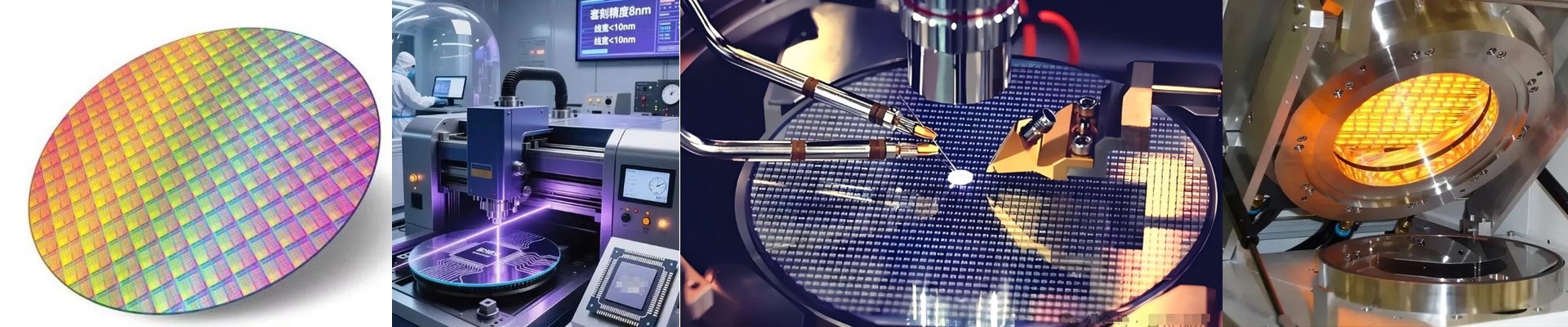

Keeping Your Class 100 Cleanroom Actually Clean
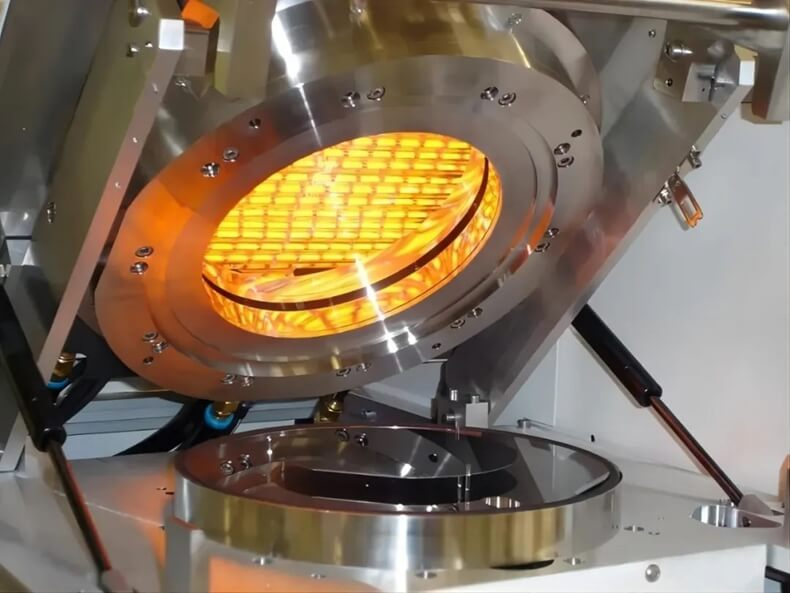
If you’re running a Class 100 cleanroom, you already know the nightmare of particulate shedding. One tiny flake from a heating element and your whole batch is toast. Most standard resistive heaters just aren’t cut out for this—they outgas or peel, and in your world, that’s a disaster. That’s why we stick with high-purity synthetic quartz infrared lamps. No flakes. No mess.
Why Quartz Just Works
We use fused silica quartz because it’s tough. It can take a massive thermal shock without cracking, and it doesn’t leak impurities into your air. Think about metal-sheathed heaters for a second. They oxidize. They peel. Quartz doesn’t do any of that. It sends energy out via infrared waves instead of just heating up the air around it. This is a big deal because it keeps your airflow steady and your wafers or sensors spotless.
Getting the Power Right
You can’t just slam the power on. If you do, the quartz might snap. We use a digital infrared dryer controller to ramp the power up slowly. If you get voltage spikes from rapid cycling, you’re going to burn out the filament. I always recommend PID control—it’s the best way to keep your temperature from bouncing around. One more thing: watch your spacing. These high-wattage tubes put out a ton of localized heat. If you cram them too close together, you’ll cook your chassis. Just make sure your cooling fans can actually handle the total wattage, or you’ll end up with warped support frames.
Setting Up and Keeping it Running
The best part? These lamps are drop-in replacements for most IR arrays. We use precision-fit connectors to keep the electrical contact tight. You really don’t want loose wires here. Loose wires cause arcs, and arcs create soot. In a cleanroom, a single arc can ruin everything you’ve worked on. When it comes to cleaning, keep it simple: isopropyl alcohol and lint-free wipes. **Be careful with your fingers.**If you leave a fingerprint on the quartz, that oil burns into the glass once it heats up. That creates a “hot spot,” and before you know it, your tube fails way sooner than it should.