
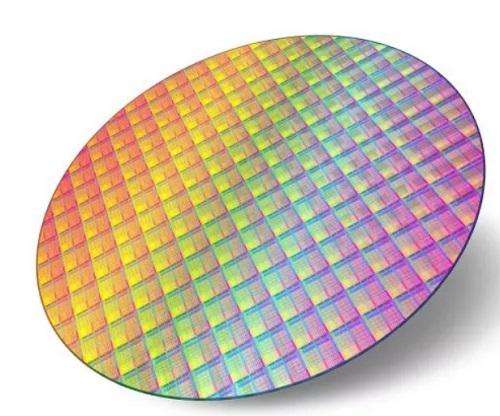
Why We Use Gold-Coated IR Reflectors for Wafer Processing
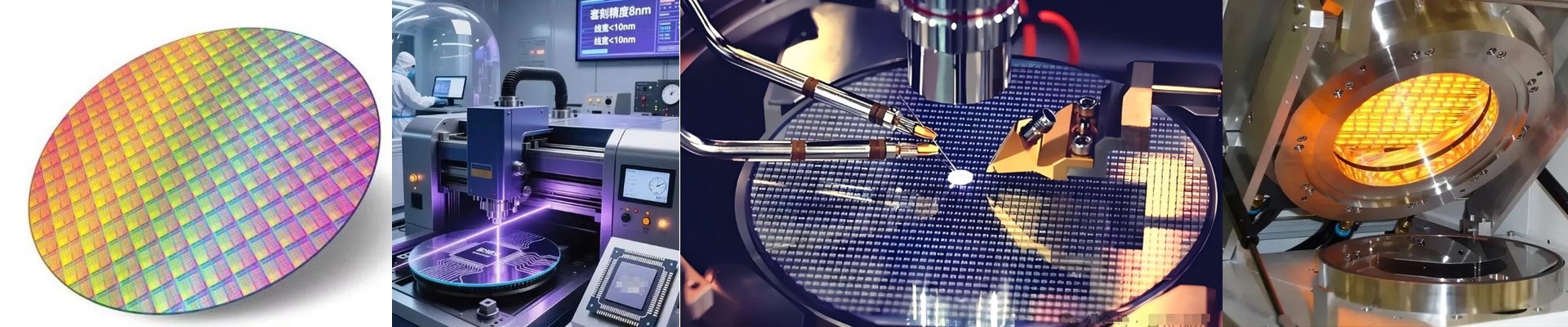
When you’re working in a clean room, the goal isn’t just to “get things hot.” It’s about precision. You want every single watt of energy hitting that silicon surface, not disappearing into the walls of your equipment. That’s where gold-coated infrared reflectors come in. They stop the energy waste and keep your thermal profile from drifting.
The magic of gold (and why aluminum doesn’t cut it)
If you use standard aluminum reflectors, you’re losing a lot of IR energy to absorption. It just vanishes. We use gold because it’s the best at bouncing near-to-mid infrared radiation right back where it belongs: on the target. By adding a thin layer of gold to the housing, we can focus the energy. The best part? You get a much higher heat density on the wafer without having to crank up the voltage and stress your system.
Getting the temperature just right
Designing these heaters is all about the focal point. With a gold-coated setup, you don’t deal with that annoying “edge loss” you see in basic IR ovens. It makes getting a tight, uniform temperature across a 300mm wafer a lot easier. But you have to be careful with the power. If you jam too many watts into a small area, you’ll likely overheat the quartz envelope or put too much thermal stress on the wafer. I always suggest matching your PID controller to the specific response time of the gold reflector. It’s the only way to stop the temperature from overshooting.
The trade-offs
These are built for clean rooms, so we use materials that won’t shed particles or outgas. They’re clean. But here’s the catch: gold is sensitive. If oils or contaminants build up on the surface, your reflectivity tanks. Suddenly, your heat distribution is all over the place. You can’t just scrub these things with harsh solvents—that’ll ruin them. You need a strict cleaning routine to keep that focus sharp. One scratch in the coating, and you’ll start seeing hot spots on your wafers. It’s a delicate balance, but the results are worth it.