
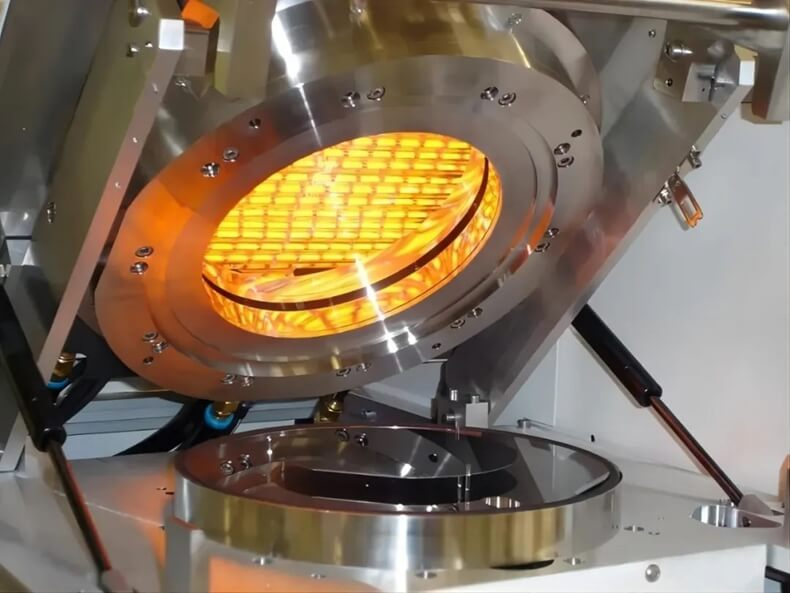
Getting More Heat Where It Actually Matters
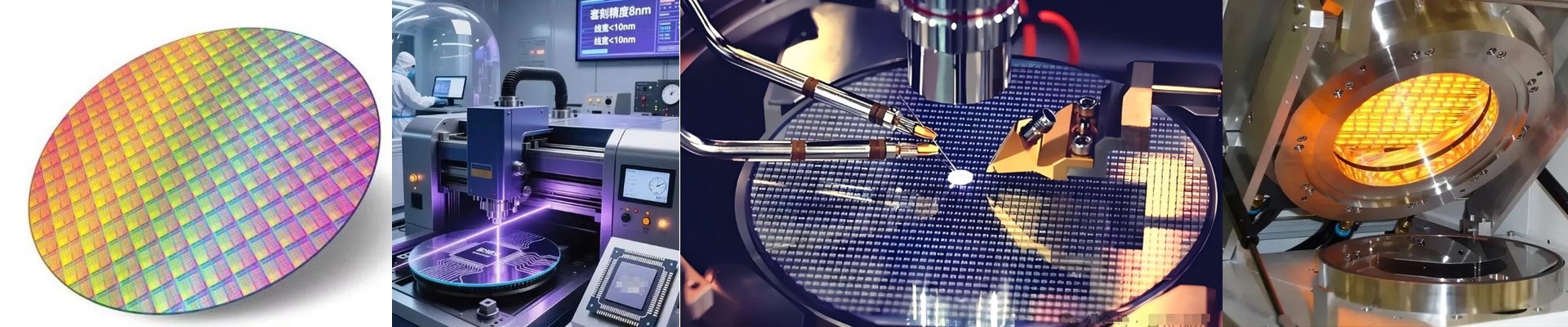
When you’re fabricating bio-sensors, you need heat. Fast, precise heat to cure your polymers or get those chemical layers to behave. But here’s the problem: standard infrared lamps are messy. They throw heat in every direction, and a huge chunk of that energy just vanishes into thin air. We figured out a way to stop that waste. We put gold-coated reflectors right into the lamp housing. Instead of letting the heat wander, we bounce it straight back down onto the wafer. Why gold? Simple. Gold is incredible at reflecting infrared light. You could use aluminum to save a few bucks, but aluminum absorbs too much. With a thin layer of gold, almost every watt you put into the system actually hits the target. It’s like using a magnifying glass. You get a much higher heat density on the surface without having to crank up the power bill. But it’s not all magic—there are some things you have to watch out for. Because the energy is so focused, your window for error shrinks. If your wafer is even a tiny bit off-center, you’ll get hot spots and cold spots across the surface. You can’t be sloppy with your mechanical jigs; they need to be tight. And then there’s the heat buildup. Since we’re bouncing so much energy around, the lamp’s own electrodes take a beating. If you don’t have your cooling fans dialed in to handle that reflected heat, you’re going to burn out your lamps way too fast. What this does for your line Once you get this wired in, the first thing you’ll notice is the speed. You hit your curing temperatures much faster, which means you’re pushing more wafers through the line. Plus, your cleanroom stays cooler. Since the heat is focused on the wafer and not leaking into the room, your AC doesn’t have to work overtime. You get a tighter process, a smaller setup, and a lot less wasted energy.