
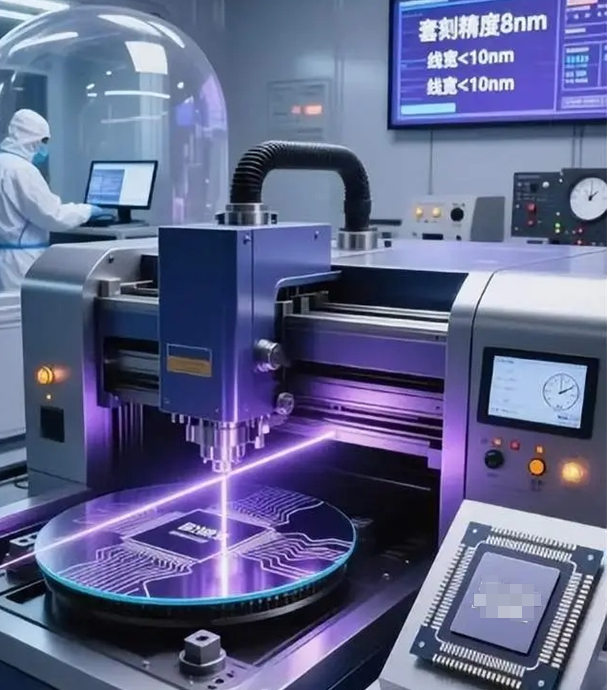
Why Stop Blowing Hot Air? IR vs. Forced Air in the Fab
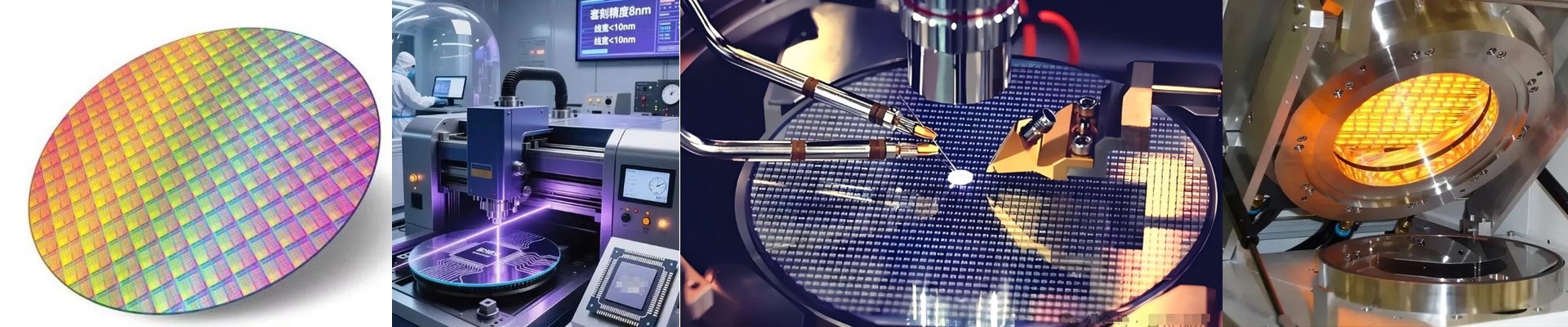
If you’ve spent any time in semiconductor processing, you know the drill. It’s a constant, stressful race against the clock and a never-ending fight to keep things clean. Most of the old-school lines still lean on forced hot air to keep temperatures steady. You know the setup: giant blowers pushing heated air across a clean room just to get the workpiece up to temp. It’s clunky. And the lag? It’s a killer. Air just doesn’t move heat efficiently. You end up wasting minutes just waiting for the air to settle before you can even start the process. That’s where Infrared (IR) changes the game. IR doesn’t bother with a “middleman.” It doesn’t need to heat the air to heat the part. Instead, it sends electromagnetic radiation straight into the substrate. It’s basically instant. You aren’t wasting energy heating the entire room; you’re just hitting the part. This turns a minutes-long ramp-up into a matter of seconds. When you’re running a high-volume fab, shaving 30 seconds off every single cycle adds up to a massive jump in how many wafers you can actually push through the door every day. Plus, think about your clean room. Forced air is a nightmare for contamination. Blowers stir up dust. Filters get clogged. You spend half your time fighting the HVAC system just to keep the environment stable. IR is different. It’s static. No moving parts, no wind, no turbulence. Because these units have such a small footprint, you can tuck them exactly where you need them without messing up the laminar flow of your room. It just fits. Now, it’s not all magic. There’s a trade-off. IR is incredibly fast, but it’s directional. You can’t just “wrap” a part in IR radiation the way you can with a cloud of hot air. If your part has weird shapes or deep pockets, you’re going to run into cold spots. You have to be smart about where you put your emitters. If you get the angle or the distance wrong, you might scorch the surface while the core is still freezing. You’ll want a precise PID controller to make sure you don’t overshoot the mark. It takes a bit more planning upfront, but the speed and cleanliness make it worth the effort.