Why We’re Obsessed With Testing Our Gold-Coated IR Lamps
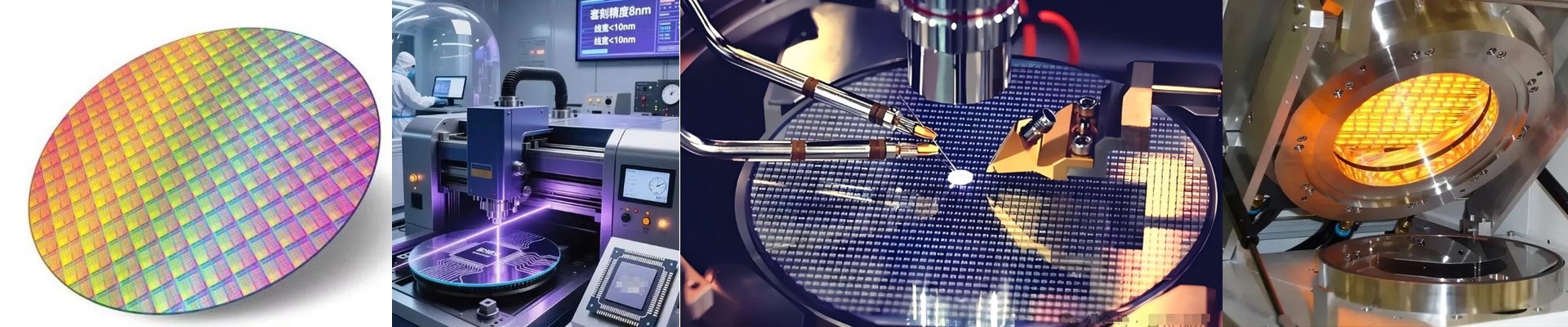
In semiconductor fab, getting your thermal profiles exactly right is everything. We use gold-coated infrared lamps to bounce that short-wave energy straight onto the wafer. It’s a great way to concentrate heat, but there’s a catch. These lamps live in high-voltage environments, usually inches away from incredibly sensitive circuitry. If the insulation slips up? You aren’t just looking at a flicker. You’re looking at fried equipment. The deal with gold and quartz We put a thin layer of gold on the quartz envelope. It’s not for show. The gold acts like a mirror, pushing the infrared radiation back toward the target instead of letting it leak into the lamp housing. This gives you a much denser hit of heat on the substrate. But here’s the thing: adding that coating changes how the quartz behaves. If the gold is uneven or if some contaminant gets in there during the process, it can create a path for electricity to leak where it shouldn’t. No shortcuts on testing Because of that risk, we don’t guess. Every single tube that leaves our shop goes through a 100% withstand voltage (Hipot) and insulation resistance test. We basically stress-test the lamp with high voltage to make sure the electrical isolation between the filament leads and that gold surface is rock solid. If a lamp fails, it’s gone. Scrapped. A tiny pinhole or a microscopic crack in the quartz might seem like nothing, but it can cause an arc-over. In a semiconductor tool, an arc does more than just blow a fuse. It can send electrical noise screaming through your system or trigger a short that kills your power supply instantly. A few real-world tips Now, our testing guarantees the lamp is safe, but it can’t fix a messy installation. Make sure your connectors are seated tight. Keep your wiring far away from the hot zones. These gold-coated lamps run hotter on the outside than the standard uncoated ones. If your cooling fans aren’t up to the task, that extra ambient heat will eventually eat away at the insulation on your nearby wires. Keep it cool, keep it tight, and your gear will stay happy.