

Cutting Carbon in Semi Fab: The Case for IR Heating
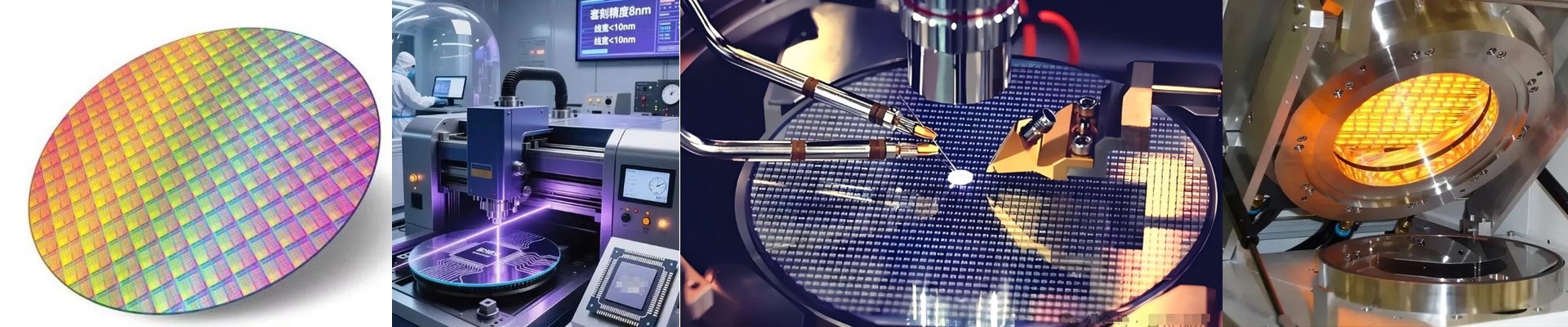
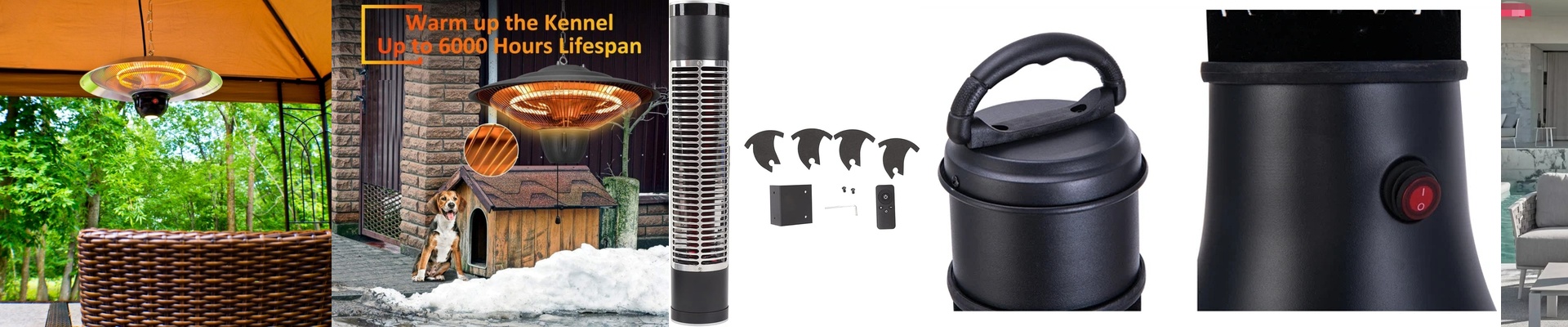
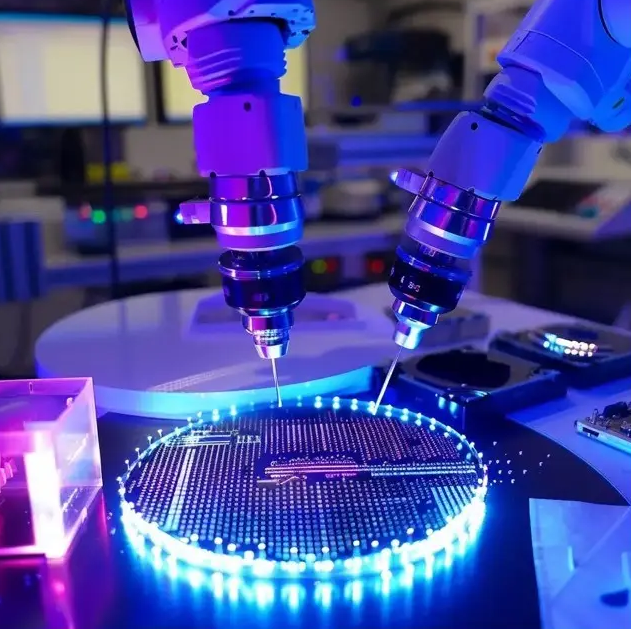
Making semiconductors takes a lot of heat, and a lot of precision. But if you’re still relying on old-school resistive heating, you’re basically paying to heat the air in the room instead of the wafer itself. It’s slow, it’s wasteful, and it’s a drag on your energy bill. That’s where shortwave IR lamps come in. Instead of warming up the whole environment, these lamps aim the heat right at the substrate. It’s a direct hit. Why shortwave? Think of it as the difference between a slow-cooker and a flash-sear. Shortwave emitters run hotter and pack more energy into a smaller space. The result? You hit your target temperature way faster. You don’t have to spend ages “soaking” the part just to get the heat to penetrate. It’s fast. Really fast. And that means you’re pulling far fewer kilowatt-hours per wafer. The tricky part: Hardware Now, it’s not just “plug and play.” When you’re dealing with this much power in such a tight spot, things get hot—and I don’t just mean the wafer. You have to be smart about your cooling. If you don’t manage the heat building up around the lamp housings, you’re going to burn through your equipment way too quickly. We’ve found that pairing these lamps with a solid PID controller is the only way to keep things stable and stop the substrate from overheating. Actually going “Green” A “Green Factory” sounds like a corporate slogan, but in reality, it’s just about cutting the fat. With IR, you can ditch those massive pre-heating ovens. You only trigger the heat the second the part is in position. No more idling. No more wasting energy on empty space. There is a catch, though. The power supplies cost more upfront, and you have to be obsessive about keeping your quartz tubes clean. If they get dirty, the efficiency drops and the energy savings vanish. Keep the glass clean, and the system does the heavy lifting for you.