Why Directional IR Heating Actually Matters for UHP Semi
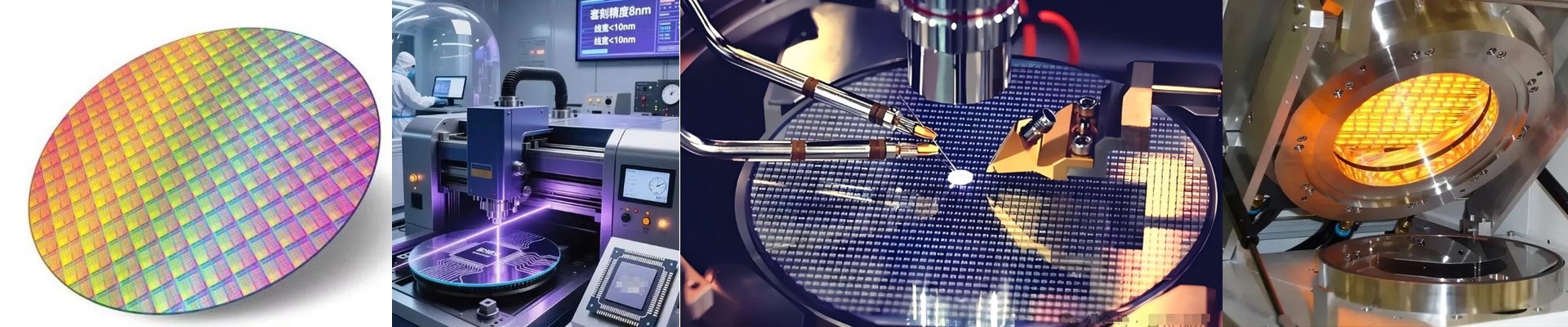
Most heating elements are kind of messy. They throw heat in every single direction—360 degrees of energy just blasting away. In a semiconductor setup, that’s a problem. You end up wasting a ton of power heating up the internal walls of your machine instead of the actual part. Worse, it makes the chassis dangerously hot to the touch. We do things differently. By using UHP infrared lamps with directional tech, we point the heat exactly where it needs to go: right on the wafer or substrate. How it actually works Think of it as moving from a lightbulb to a flashlight. We use specific reflectors and quartz envelopes to stop that “oven effect” where the whole machine just gets hot. Instead of warming up the air and the metal housing, the IR energy hits the target directly. You get the ramp-up speed you need, but your equipment casing doesn’t turn into a safety hazard for whoever is standing next to it. The “Clean” Part In a cleanroom, even a tiny bit of contamination can ruin everything. That’s why we use high-purity synthetic quartz. It ensures nothing—no metallic ions, no weird particles—leaks out during those high-heat cycles. We also keep the filaments on a very tight leash regarding wattage, so your thermal profiles stay consistent across every zone. The Trade-off Now, here’s the catch. Because the heat is so concentrated, your target material takes a much harder hit. If your PID controller isn’t dialed in just right, you might overshoot your temperature or end up with annoying hotspots. You’ve got to make sure your lamp positioning and your cooling manifold are talking to each other to keep things stable. Staying Safe Stopping heat from leaking into the walls does more than just lower your power bill. It keeps the outer skin of the tool cool. It’s a relief not having to worry about an operator getting burned during a quick manual fix or routine maintenance. It just makes the whole thermal footprint of the tool much easier to manage.