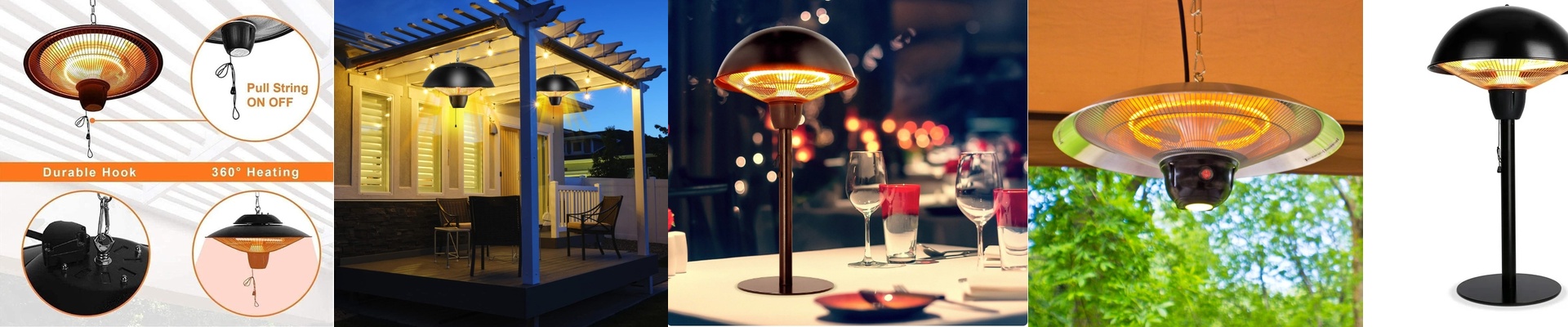
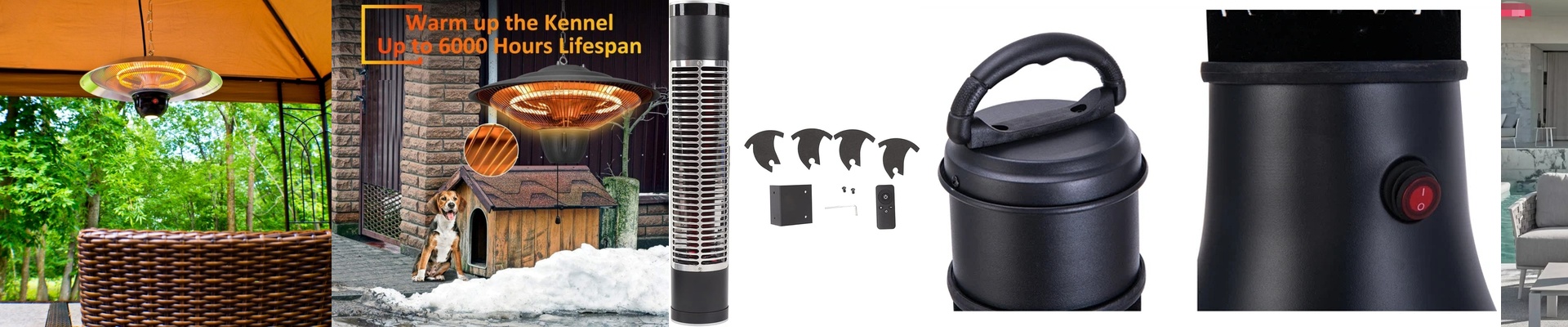
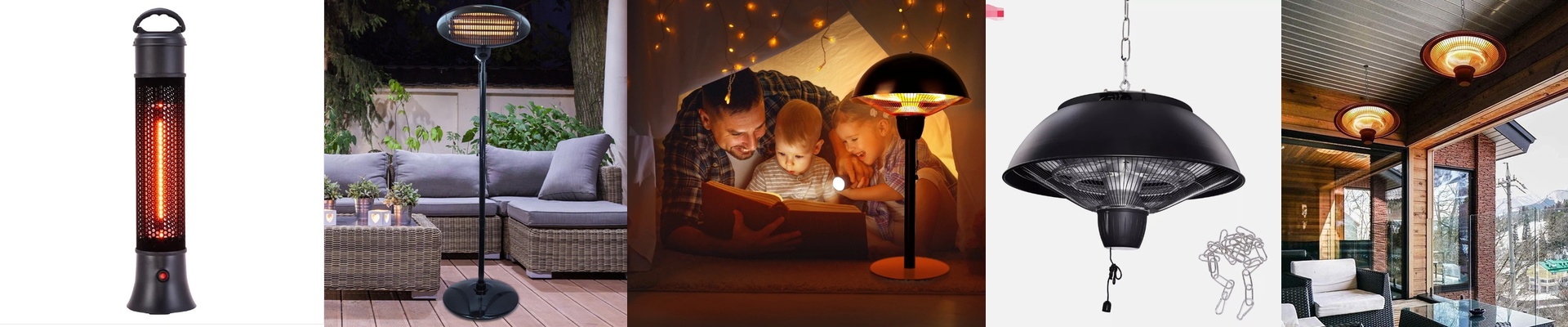
Keeping Changing Rooms Warm (Without the Drama)
Let’s be honest: nobody likes shivering in a changing room. It’s the worst part of the experience. But trying to heat these spaces is a nightmare because of the steam and the splashes. Standard heaters just can’t hack it—they either quit or become a safety hazard the moment things get damp. That’s where IPX4 infrared heating comes in. Instead of trying to warm up the air (which just floats away the second you open a door), this tech beams heat directly onto the person. It’s a different feeling. You step under it and feel warm in seconds, even if the walls are still cold.
Why it actually works
We use short-wave infrared. Think of it like the sun on your skin on a crisp autumn day. It doesn’t wait for the room to heat up; it just hits you. It’s fast. Really fast. You can take a freezing locker room and make it feel cozy almost instantly. No more waiting around for the ceiling to finally get warm while you’re standing there shivering.
The “Water-Proof” Stuff
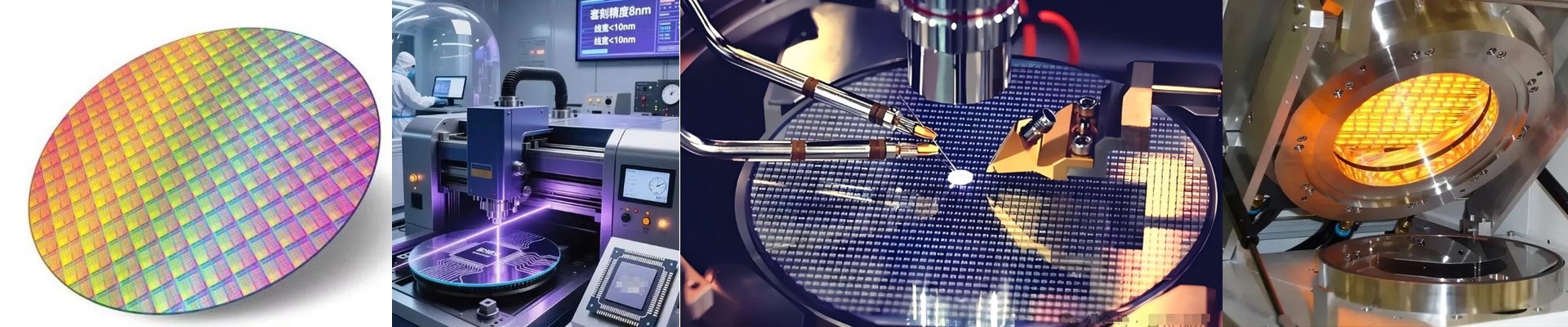
Water and electricity are a terrible mix, especially when you’re dealing with showers. We’ve sealed these units to IPX4 standards, which is just a fancy way of saying they can handle splashes from any direction without blowing a fuse. We also use high-grade quartz glass for the heating elements. Why? Because quartz doesn’t crack when it goes from cold to scorching hot in a heartbeat. We’ve also tweaked the internal wiring for high-moisture spots and kept the whole thing compact, so you can tuck them into tight ceiling grids without it looking cluttered.
A few things to watch out for
Here’s the catch: these units put out a lot of intense heat. If you try to mount them with cheap plastic brackets, those brackets are going to warp or melt. Don’t do that. Stick with aluminum or stainless steel. And a quick heads-up for the electricians: make sure your circuit breakers can handle the initial surge when a bunch of these kick in at once. Also, use heat-resistant cabling near the lamp head. You really don’t want the insulation melting because you used the wrong wire.