Don’t Let Your Heaters Blow Up: The Truth About Quartz and Moisture
If you’re putting infrared heaters in a bathroom or under a pergola, you’re basically putting a scorching hot element right where water loves to hang out. Between the steam and the random rain spray, it’s a risky mix. Most standard quartz tubes just can’t handle it. Think about it: you’ve got a tube running at 800°C, and a single cold drop of water hits it.**Pop.**That’s thermal shock, and it’ll shatter your glass in a heartbeat.
Why “Explosion-Proof” Actually Matters
To stop that from happening, we use a specific kind of explosion-proof quartz. It’s built to take those wild temperature swings without flinching. And look, if a tube does manage to crack, “explosion-proof” doesn’t mean it’s magic. It just means the glass is designed to break in a way that doesn’t send shards flying across the room. It keeps everything contained and safe.
The Nitty-Gritty on How They Work
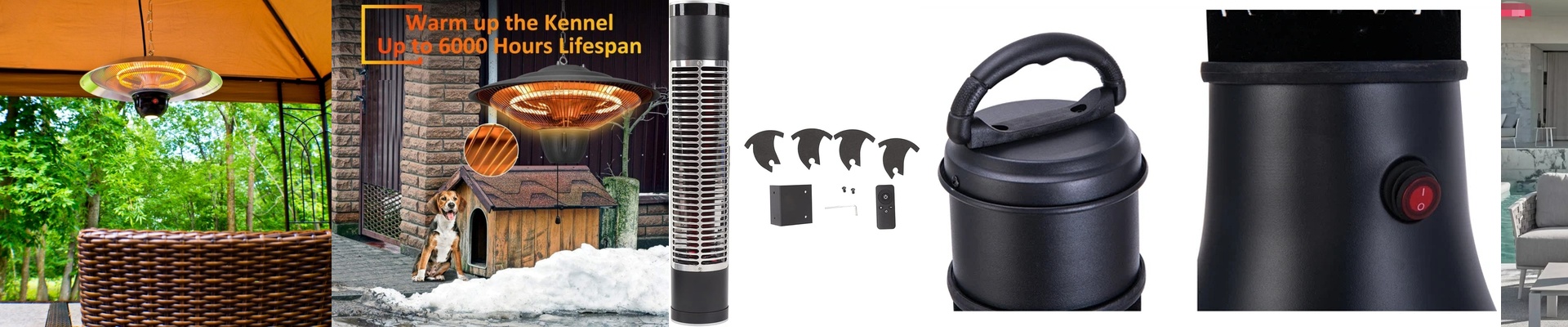
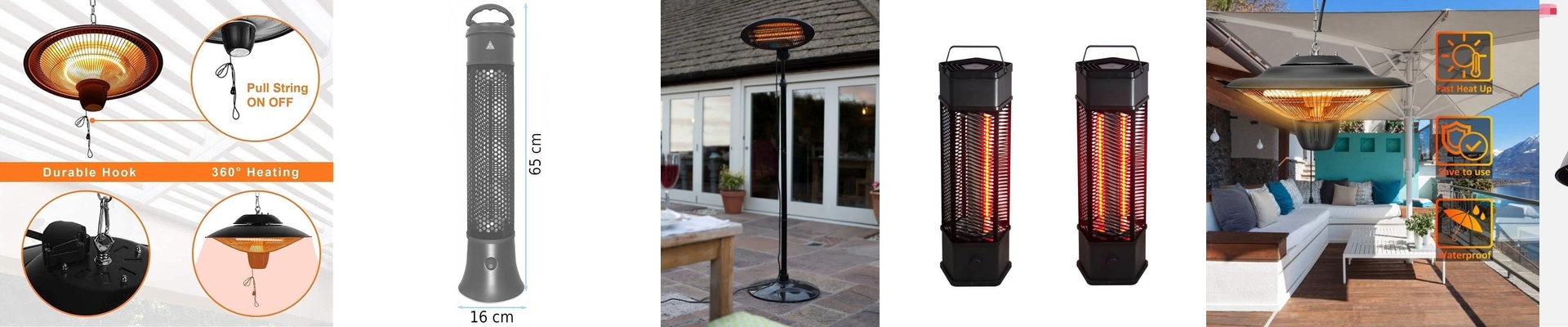
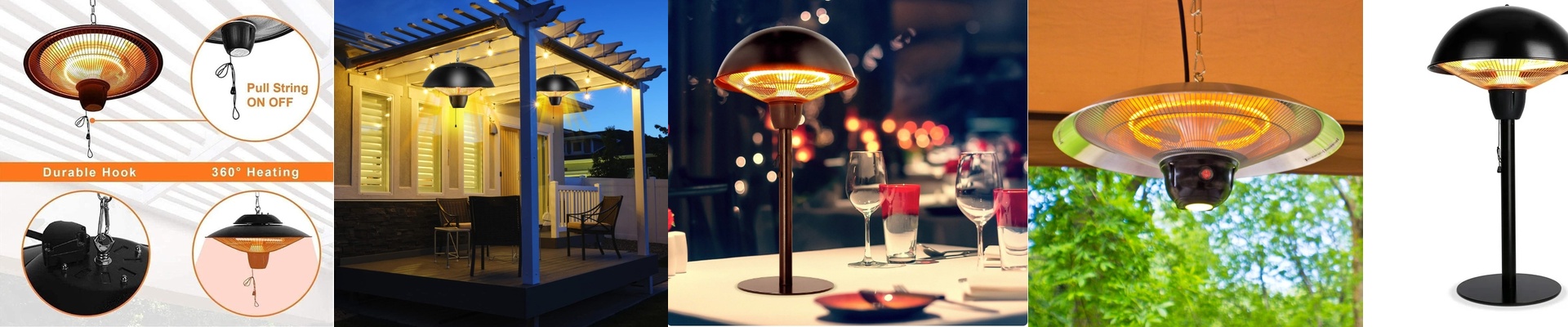
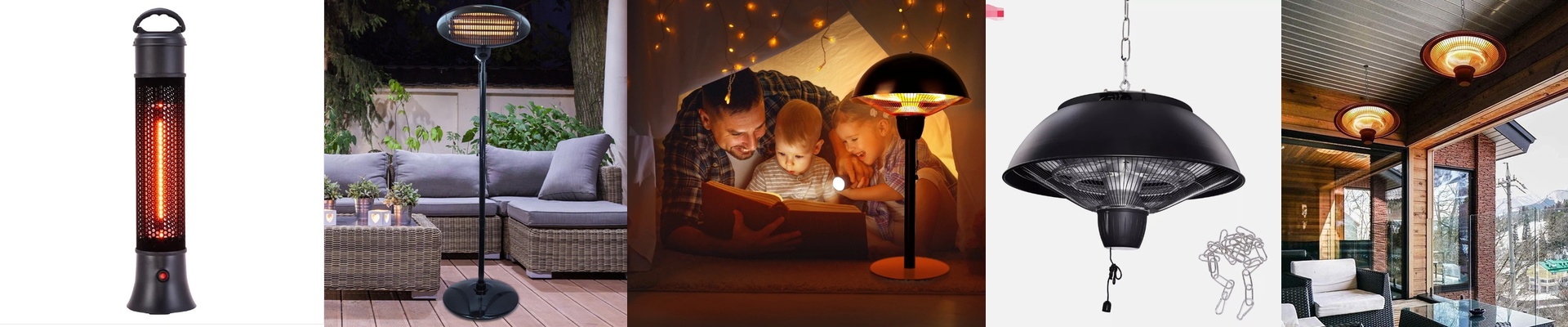
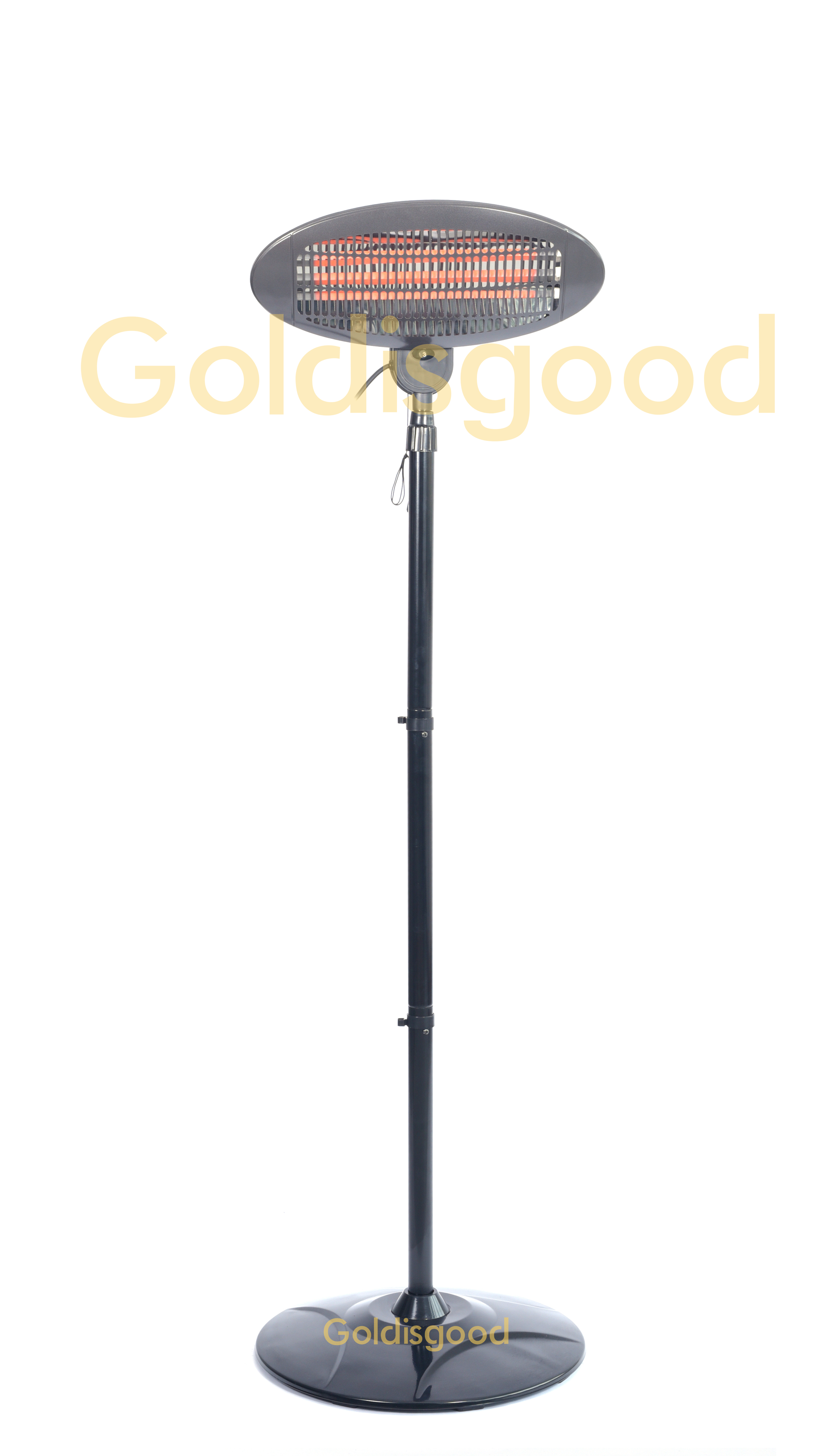
These lamps use a high-purity silica core to push out short-wave infrared heat. The best part? The heat goes straight to you—not the air around you. That’s why they’re a lifesaver for outdoor pergolas. A regular convection heater would just be fighting the wind and wasting your electricity. But here’s a heads-up on the install:get your wiring right. High-wattage tubes get incredibly hot at the terminals. If your connectors are loose or your wire gauge is too thin, things will start melting. It’s not pretty, and it’s not safe.
A Few Real-World Warnings
Waterproofing your housing is great, but it’s only half the job. These things still run hot. Don’t mount them too close to plastic or anything that might catch fire. I always suggest leaving at least 500mm of breathing room to avoid scorching your ceiling or beams. Also, keep an eye on your circuit breakers. These lamps pull a lot of power the second you flip the switch, so make sure your electrical panel can handle the surge.