
Why Your Outdoor Heater Actually Lasts (And Why Most Don’t)
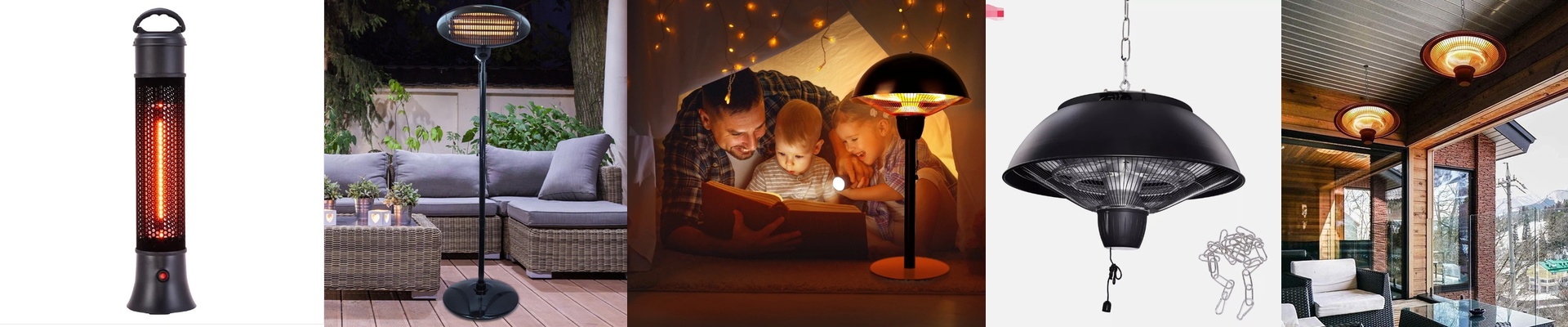
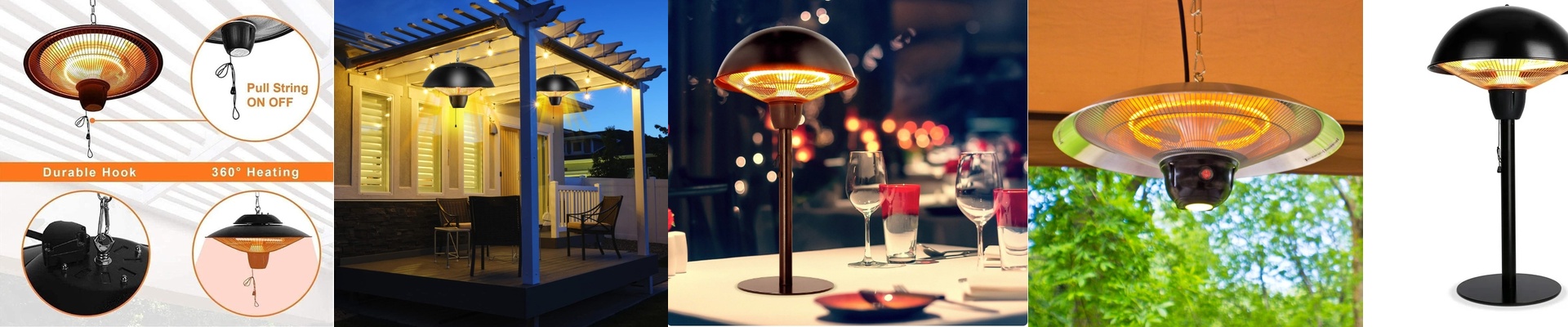
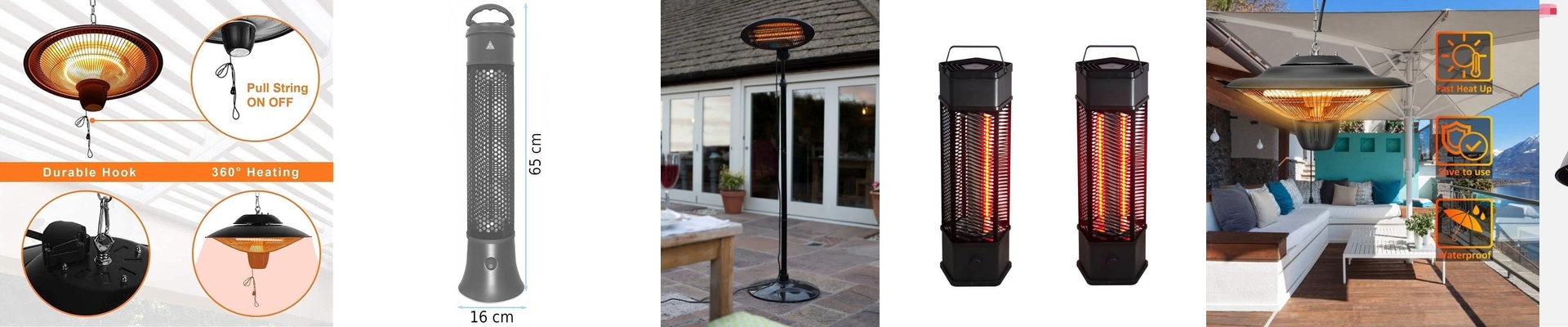
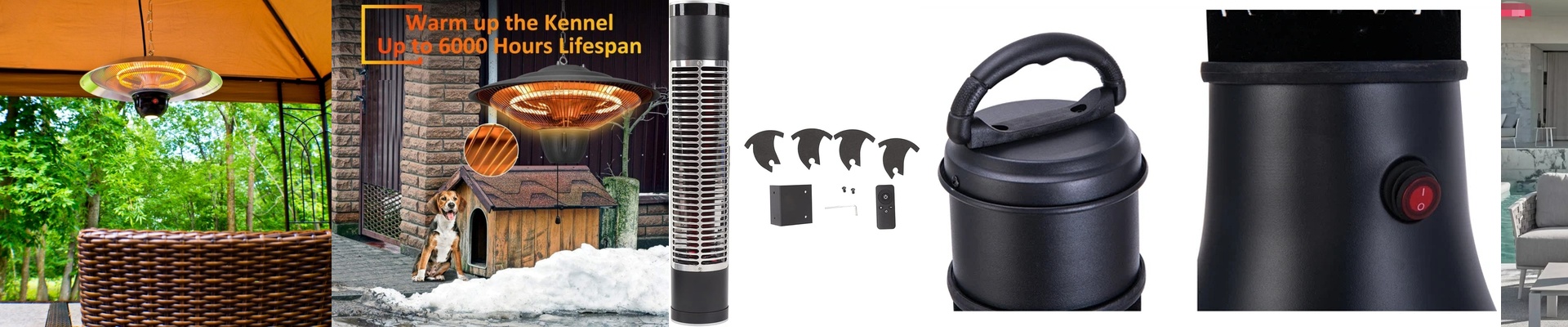
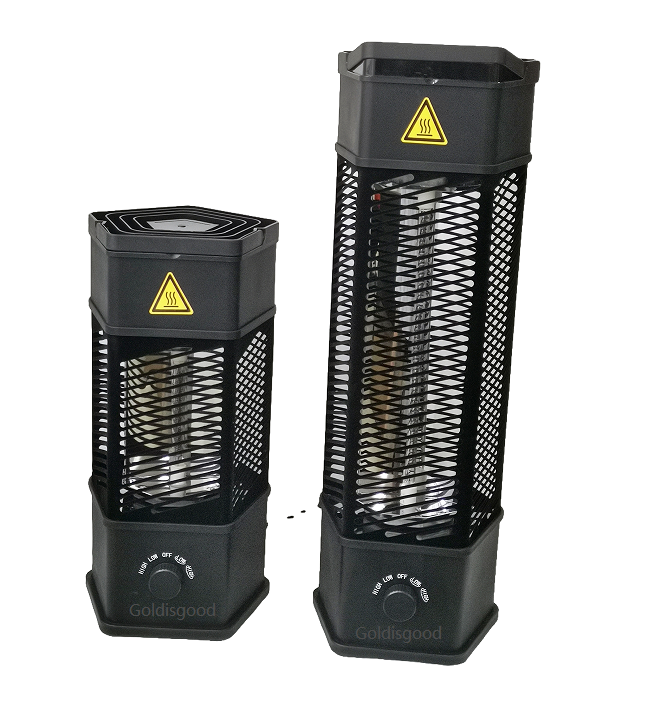
Let’s be honest: the outdoors is a nightmare for electronics. Between the rain, the salt air, and those wild temperature swings, most outdoor heaters are basically fighting a losing battle from the moment you plug them in. We wanted to build something that doesn’t just “survive” the winter, but actually thrives in it. Keeping the bad stuff out You’ll see “IP65” on our spec sheet. In plain English? It means we’ve locked the unit down. We use precision-molded gaskets and sealed cable entries so that dust and splashing water can’t get anywhere near the circuitry. It’s the difference between a heater that shorts out during a spring rain and one that just keeps humming along. But water isn’t the only enemy. Fog is a sneaky one. When the air shifts temperature quickly, condensation builds up inside the housing. If that moisture settles on the quartz tube, it creates “hot spots.” One minute everything is fine, and the next—crack—your glass is gone. To stop that, we added specialized venting and anti-fog coatings. It keeps the tube clear and stops the heating element from burning out way too early. Materials that don’t quit We didn’t go cheap on the guts of these machines. We use high-grade quartz glass and alloys for the reflectors that won’t pit or fade, even if the weather gets nasty. And the seals? We use high-temperature silicone. Most companies use standard rubber, but rubber melts or cracks when things get hot. Silicone just handles it. A couple of tips for the install You can wire these into your outdoor grid with total confidence. Just make sure your breakers can handle that initial surge of power when you flip the switch. One thing to keep in mind: because the IP65 housing is so tightly sealed, it traps more heat around the internal wiring than a cheap, open-air model would. To keep your wiring from getting brittle over the years, just give the unit a little breathing room. Don’t squash it right against a wall; let some air flow around it. Do that, and you’ve got a heater that stays dry, stays clean, and actually lasts.