

Why we build our waterproof heaters to be modular
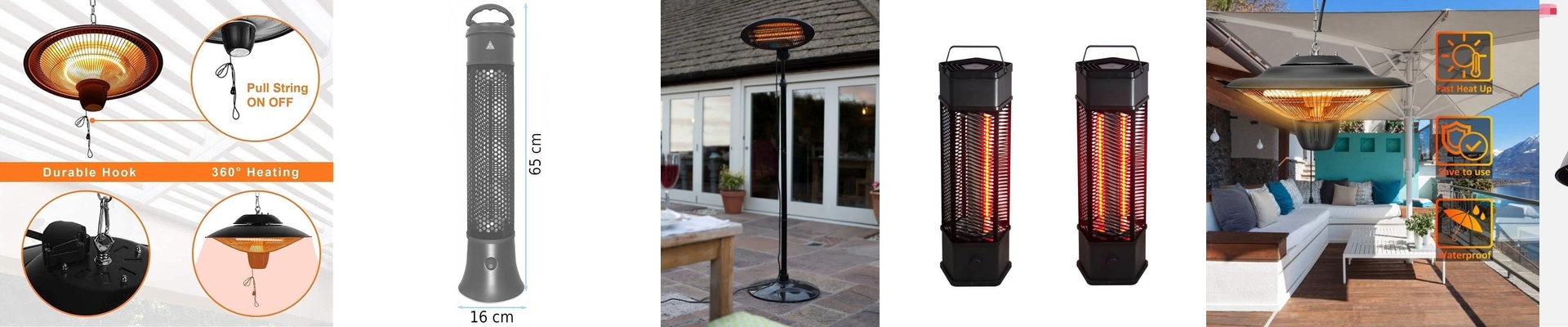
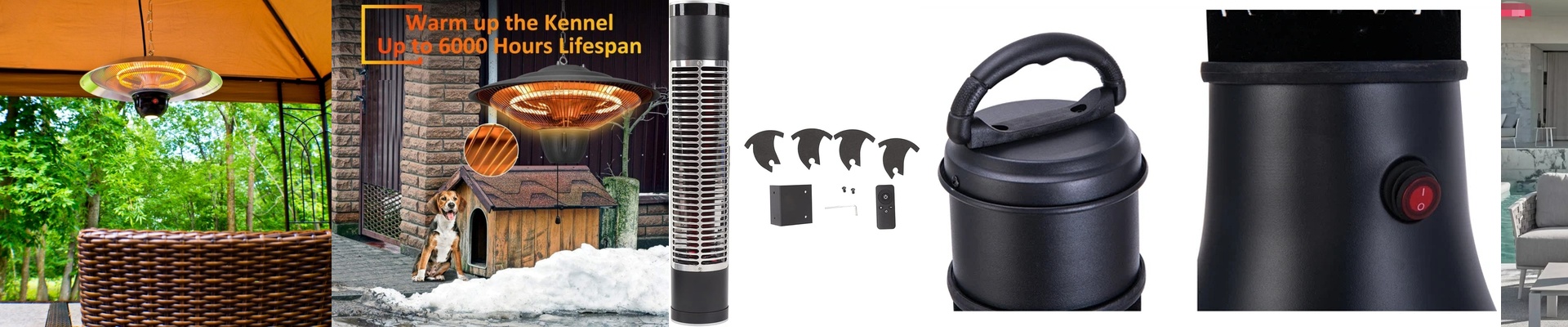
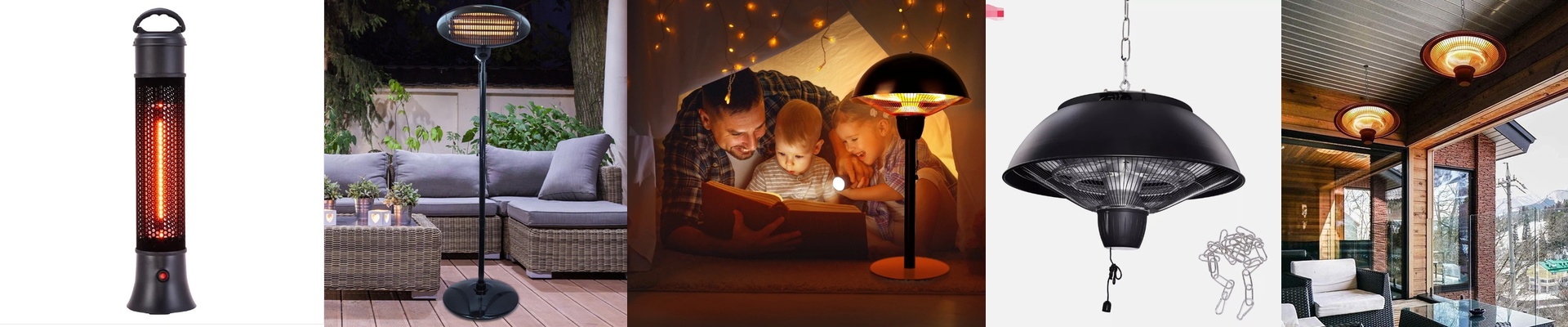
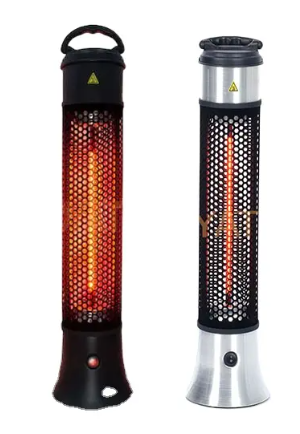
If you’ve ever managed a nightclub patio, you know it’s a war zone. Between the humidity, the spilled drinks, and the random rainstorms, your gear takes a beating. We build our infrared heaters to survive that chaos, but let’s be real: heating elements eventually burn out. It just happens. The nightmare starts when you realize that replacing one simple tube requires tearing down the entire unit. For a facility manager, that’s not just a chore—it’s a liability. The logic is simple. We use a modular chassis for our infrared arrays. Instead of soldering the heating tubes directly into the power board, we use slide-in brackets and quick-connect terminals. Think of it like a lightbulb. If a tube goes out five years from now, you don’t have to rewire the whole fixture. You just pull the dead module and drop in a fresh one. It turns a few hours of downtime into a few minutes of work. The struggle with waterproofing Usually, “waterproof” is code for “disposable.” Most companies seal their heaters so tight that you can’t get inside without breaking the seal forever. We did things differently. We tucked the electronics away in a rugged, IP-rated enclosure, but kept the heating elements accessible through a gasket-sealed service panel. You get the weather protection you need for an outdoor lounge, but you can still actually fix the thing in the field. The trade-offs Now, modular connectors mean more contact points than a permanent solder. To stop voltage drops or overheating, we use oversized copper contacts. One heads-up: you’ve got to make sure those connections stay tight. In a high-wattage system, a loose terminal can arc and melt the housing. It’s a small detail, but it’s a big deal. The reality of maintenance At the end of the day, maintenance is all about speed and footprint. With a modular setup, you can keep a few spare tubes in the warehouse instead of shelling out $1,000 for entire new units. It transforms a major electrical project into a basic swap. Just do your technician a favor: make sure the mains are dead before anyone opens that service panel.