
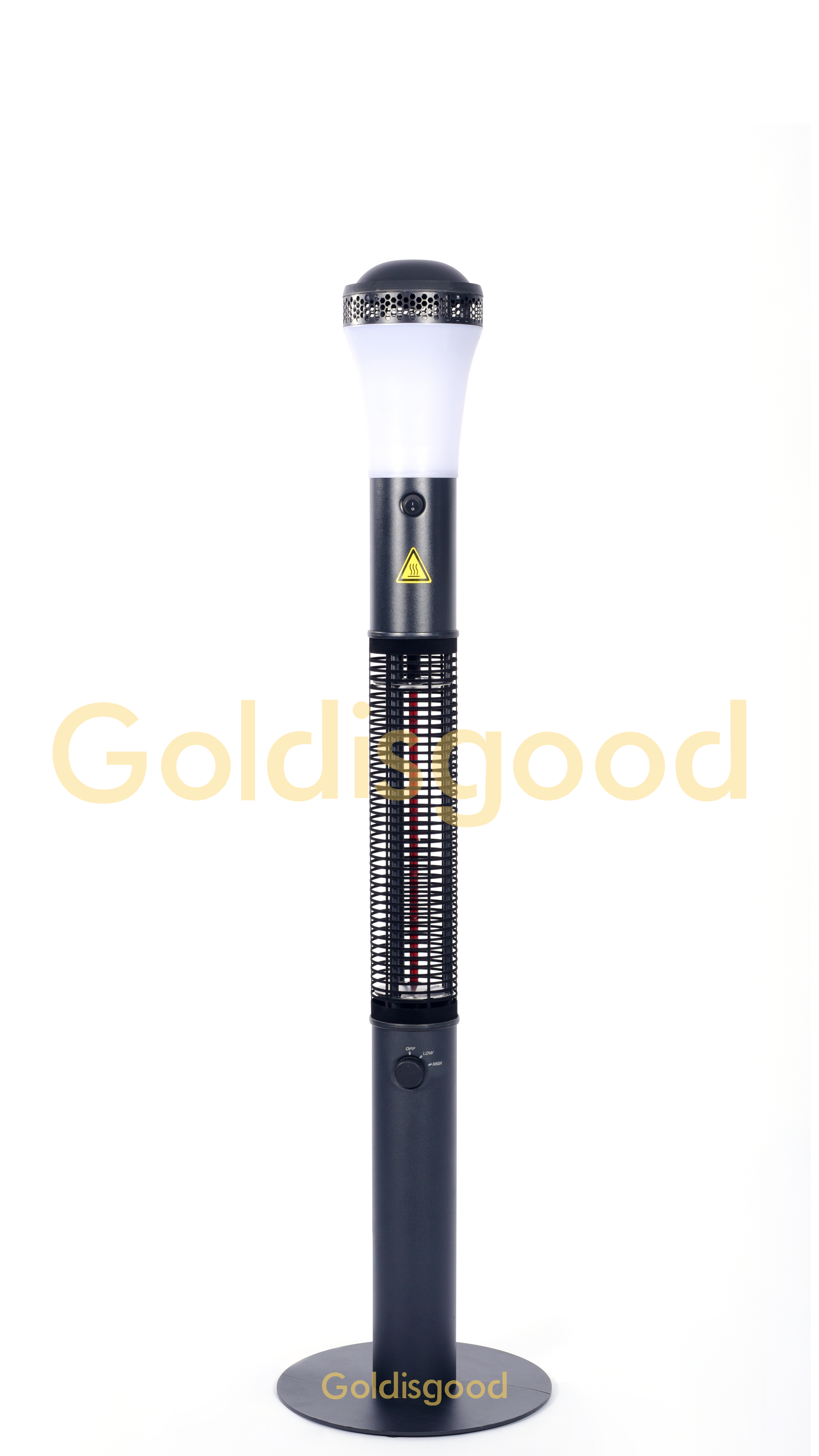
Why we put our bathroom lamps through the “Steam Chamber”
Let’s be honest: bathrooms are a nightmare for electronics. You’ve got thick steam, random water splashes, and that brutal jump from a freezing cold morning to intense heat the second you flip the switch. If the seal on an infrared lamp lets in even a tiny bit of moisture, it’s game over. The water hits the electrodes, and you get a short circuit or a burnt-out bulb. Not exactly the way you want to start your day. The battle against the leak Most of these heaters use quartz tubes. They get incredibly hot to give you that instant warmth, but the real danger zone is where the tube meets the electrical connectors. That’s where things usually go wrong. Water vapor is sneaky. It finds those microscopic gaps in the sealant, crawls inside, and starts eating away at the contacts. To stop that, we don’t just check a box on a spec sheet. We throw every batch into high-humidity chambers and bake them for hundreds of hours. We aren’t just looking for a “pass.” We want to find the exact moment the seal gives up. We want to break it here, so it doesn’t break in your house. The balancing act Here is the tricky part. Even a “lab-perfect” lamp can struggle if your bathroom has zero ventilation and is basically a sauna. When steam builds up, it condenses on the cold ends of the tube. We use heavy-duty, high-temp adhesives to lock the quartz into the housing, but those glues have a limit. If we crank the wattage too high to make the lamp heat up faster, we risk melting the sealant. It’s a constant tug-of-war between raw power and how long the lamp actually lasts. Real-world reliability At the end of the day, we just want to make sure your light doesn’t flicker or pop the moment the room hits 90% humidity. By simulating years of wear and tear in a few weeks, we can spot a weak solder joint or a porous gasket before the product ever leaves our warehouse. It means you get a lamp that actually survives the winter, rather than one that quits after a month of showers.