Getting Thermal Management Right for Bio-Sensors
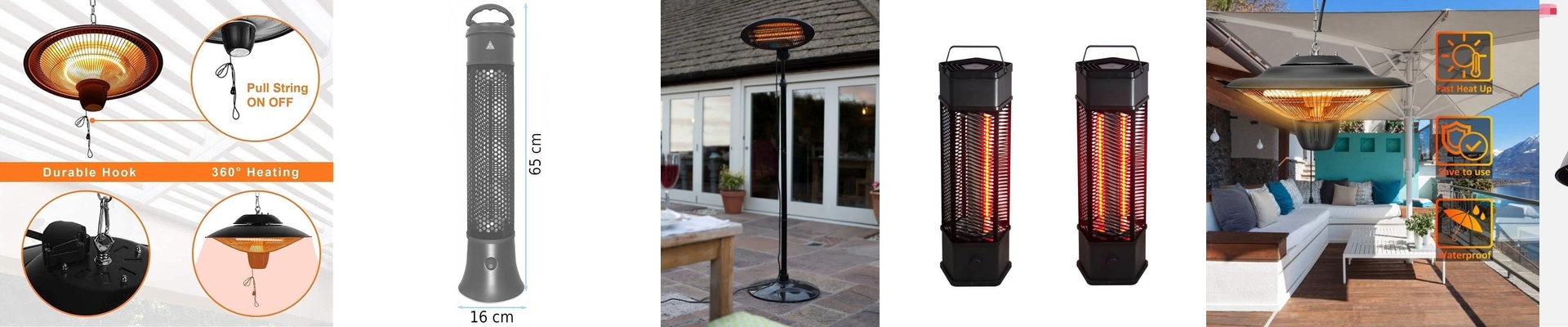
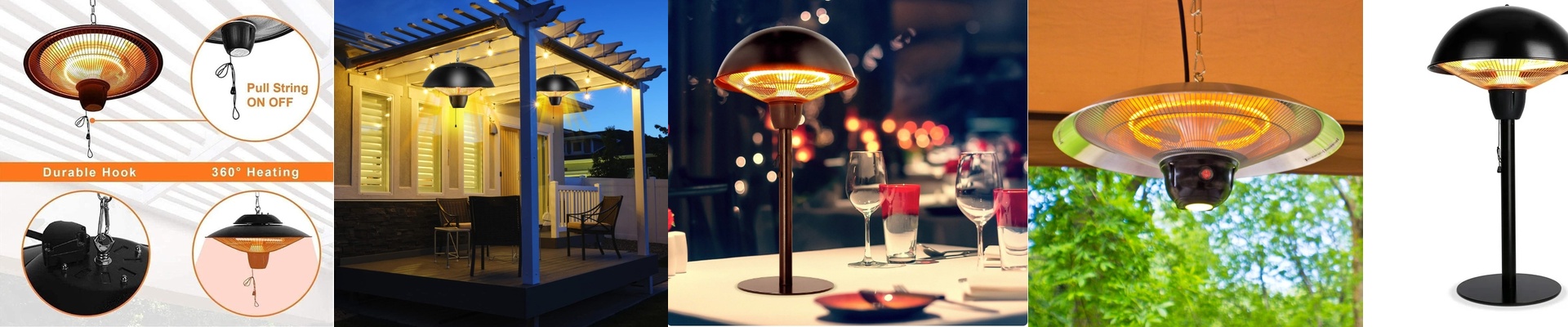
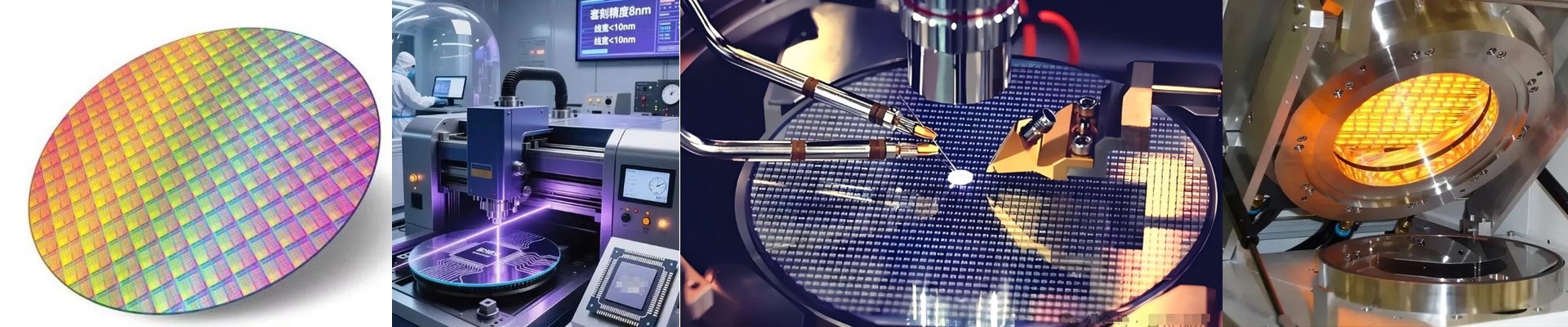
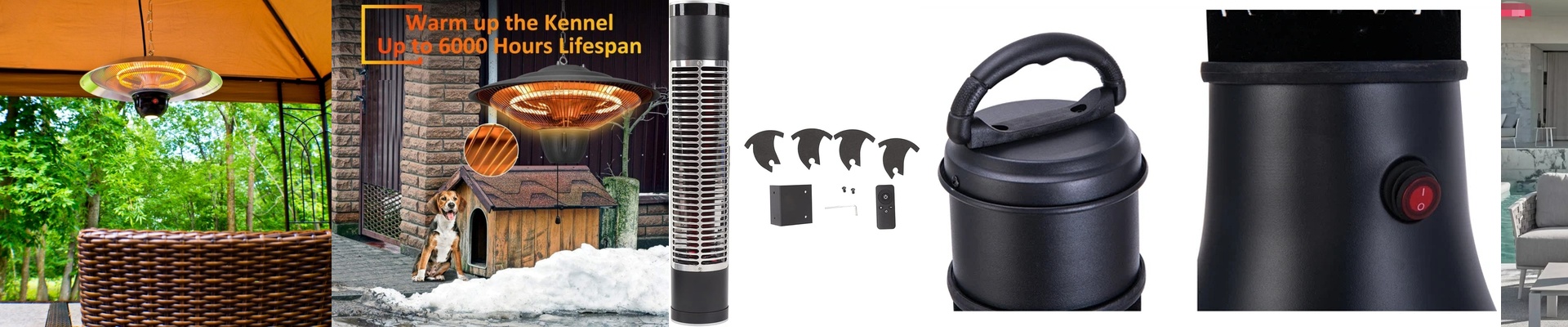
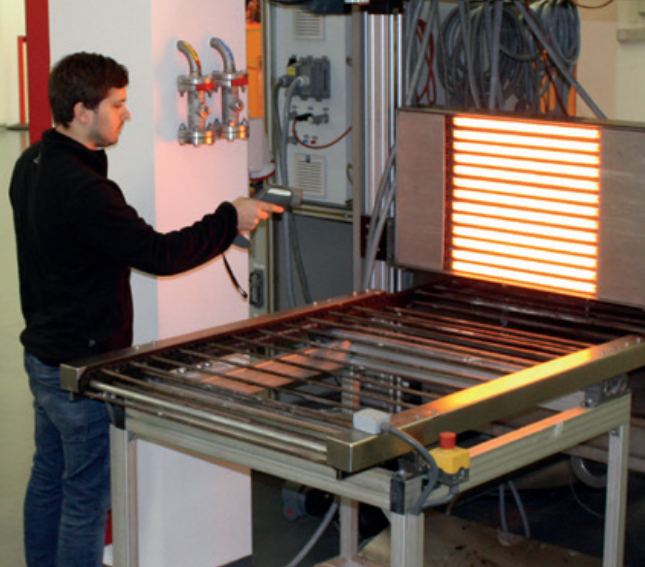
Making bio-sensors is a bit of a balancing act. You need enough heat to cure your substrates and get those biological layers active, but if you push it too far, you’ll fry the proteins and ruin the whole batch. That’s why we’re ditching the old-school convection ovens. They’re slow and bulky. Instead, we’re moving toward short-wave infrared (IR) systems. The beauty of IR is that it hits the material directly. No waiting for the air to warm up. It cuts your cycle times way down and frees up a ton of space on your floor. The trick to speed and control If you want high-throughput production, you need power. We use high-wattage quartz lamps because they respond almost instantly. Here’s how it works in a digital fab: since the lamps switch on and off so fast, your PLC can modulate the power using SCR controllers. This keeps your substrate in a tight ±2°C window. If your voltage is off or the power density is too low, you’re going to end up with uneven curing across the wafer. And nobody wants to scrap a whole batch because of a cold spot. The nitty-gritty on hardware We build these lamps with high-purity quartz. Why? Because cleanrooms are harsh, and you need something that won’t degrade when it hits chemical etchants. We also pay close attention to the connectors. You need a tight electrical fit to stop arcing when the load gets heavy. Just a heads-up: make sure your wiring can actually handle the current draw. High-density IR puts out a massive amount of heat in a very small area. If you don’t spec your chassis cooling correctly, you’ll end up burning out the electronics sitting right next to the lamps. Putting it to work on the floor Switching to IR makes everything feel more data-driven. You can actually map the thermal output of every single lamp and feed that right back into your quality control. It’s a pretty easy swap for slower heating methods, but there is one thing to watch out for. Short-wave IR penetrates deeper into materials than you might expect. You’ll want to spend some time calibrating your soak times so you don’t accidentally overheat the bottom of the sensor substrate.