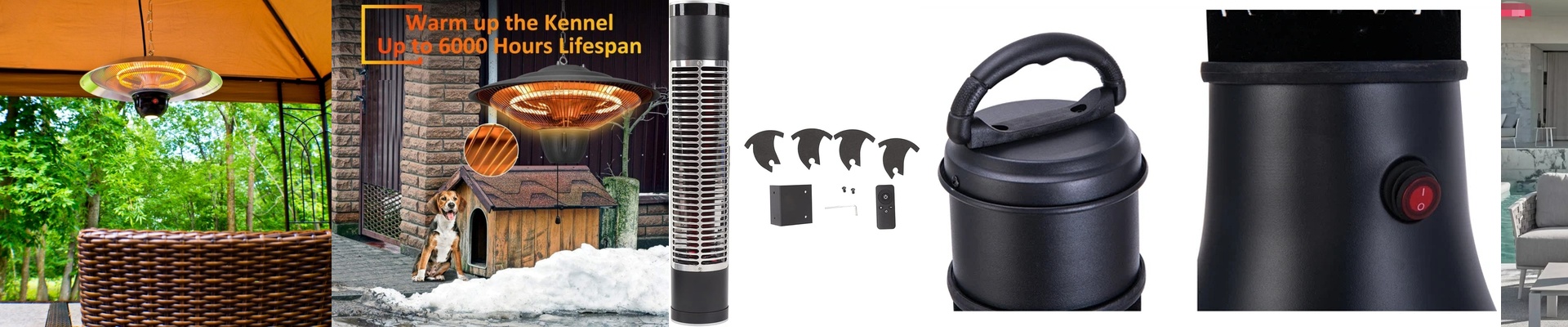
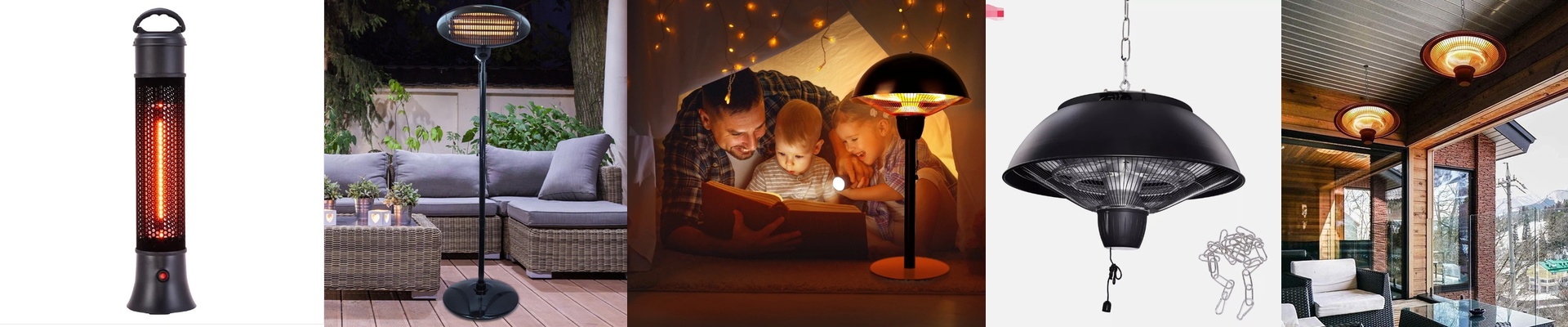
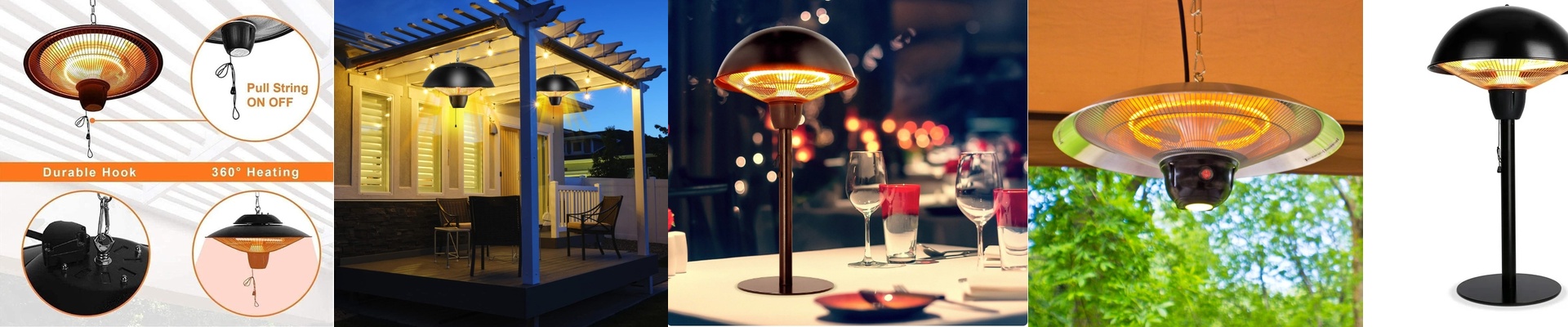

Why We Don’t Mess Around With Quartz Glass in Bathroom Heaters
Let’s be honest: bathrooms are a nightmare for electronics. You’ve got steam everywhere, high humidity, and—the real killer—sudden temperature swings. Imagine this. You’ve got a heating element cranking at 800°C, and a stray splash of cold water hits it. With regular glass, that’s a recipe for a disaster. It doesn’t just crack; it shatters. That’s why we use explosion-proof quartz tubes. It’s the only way to keep things safe. The secret to surviving the shock Now, quartz is already pretty tough, but it’s not invincible. To make these tubes “explosion-proof,” we tweak the glass mix and thicken the walls. It’s all about endurance. We want a tube that can take a beating from those wild temperature jumps without giving up. Because if that glass fails, the halogen gas inside leaks out, and your filament burns up in a heartbeat. By beefing up the quartz, we keep the electricity exactly where it belongs—far away from the water and the user. Heat that actually hits you These lamps use short-wave infrared radiation. In plain English? The quartz sleeve lets the heat pass right through instead of soaking it up. Instead of wasting time heating up the air in the room, the heat goes straight to you. It’s instant. You flip the switch, and you feel it immediately. No waiting around in a cold bathroom. A quick word of caution Here’s the catch. These things getinsanely hot. If you try to cram them into a fixture with bad airflow or use cheap, flimsy reflectors, you’re going to warp the housing. If the plastic isn’t rated for the wattage, it’ll literally melt. It’s a powerful tool, so you have to give it the right home. We build these to last. By focusing on the grade of the quartz, we make sure the glass isn’t the weak link. If something eventually wears out, it’ll be the filament—which is a simple part to replace—rather than the whole unit breaking. It just makes the whole experience safer and a lot less stressful for anyone installing them at home.