

No More Foggy Mirrors: How Shortwave IR Actually Works
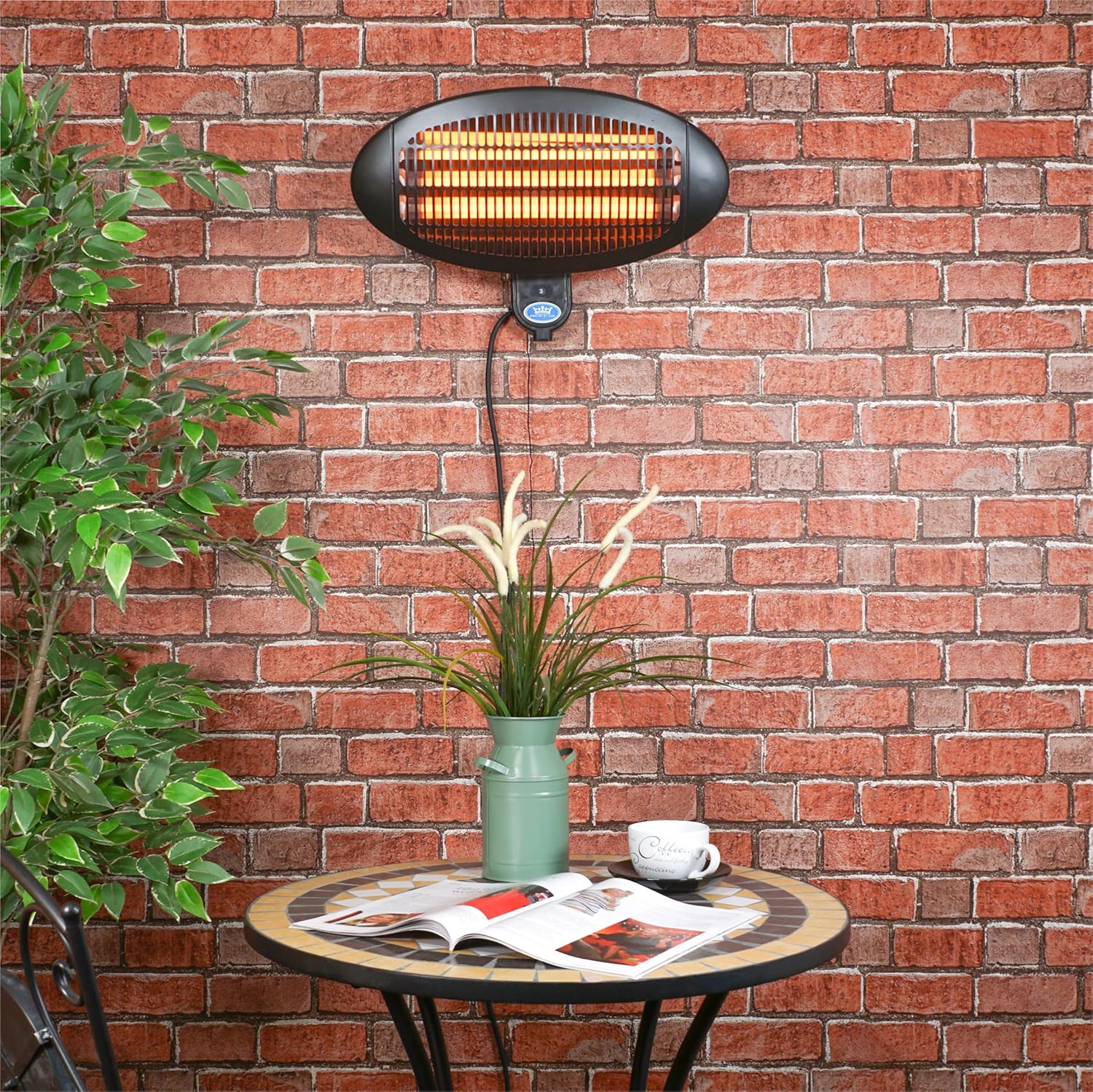
We’ve all been there. You step out of a hot shower, look in the mirror to shave or do your makeup, and you see… absolutely nothing. Just a wall of white fog. It happens because that warm, steamy air hits the cold glass and just gives up, turning into tiny droplets of water. Most people try to fix this with those sticky heating pads, but they’re slow. They rely on conduction, which is basically like waiting for a slow wave of heat to crawl across the glass. We do things differently. We use shortwave infrared (IR) elements tucked right behind the mirror. Instead of waiting for the heat to “travel,” IR uses radiation. It hits the glass instantly. It’s fast. Really fast. Getting the heat just right The trick is all in the power density. We use high-wattage quartz elements to kick the glass temperature above the dew point in a matter of seconds. But you can’t just crank it to eleven. If the wattage is too low, you’re still staring at a blur. If it’s too high? You risk cracking the glass or making the mirror too hot to touch. It’s a delicate balance, but when it’s dialed in, the fog just vanishes. The gear under the hood Inside, we’re using high-purity quartz tubes filled with halogen gas. The gas is key—it stops the tungsten filament from burning out too quickly, so the lamps actually last. We also use R7s snap-in connectors. Why? Because if a bulb ever does go, you don’t want to tear the whole mirror off the wall. You just snap a new one in and you’re back in business. We also space these emitters carefully so you don’t get “hot spots” that could warp the mirror’s backing. A few things to keep in mind Since we’re dealing with electricity and water (a classic bad pairing), the wiring has to be spot on. You need moisture-resistant housing and strict IP ratings to keep things safe in a humid bathroom. One last thing: shortwave IR is powerful. While it clears the fog almost the moment you turn it on, it does pull a bigger punch of energy during that first burst than those thin resistive films do. Just make sure your power supply can handle that initial spike, and you’re golden.