Stop Wasting Heat: The Secret to Better IR Flux
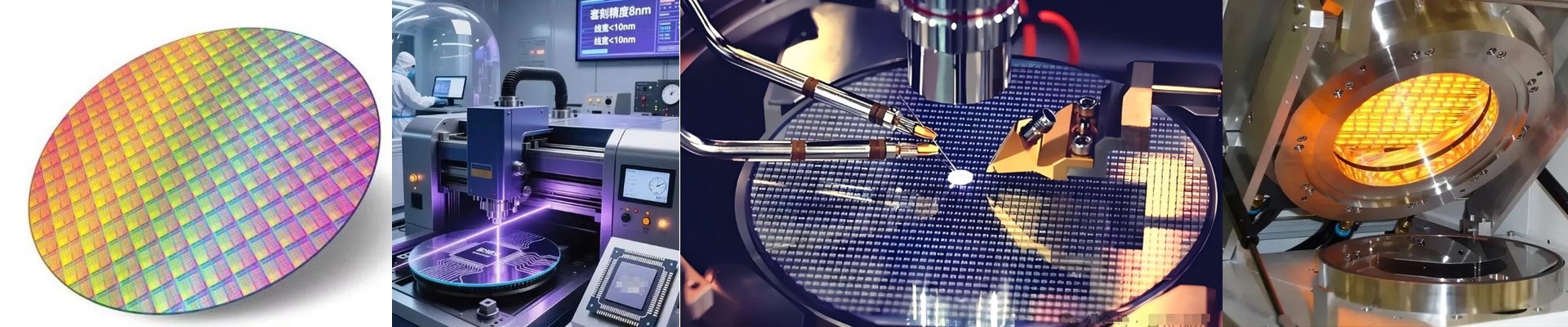
Let’s be honest: in semiconductor fab, wasting heat is basically just throwing money away. It’s frustrating, and it kills your carbon footprint. Most of the time, infrared (IR) radiation just bleeds into the machine chassis where it does absolutely nothing. That’s where aluminum reflectors come in. Instead of letting that heat wander, we bounce it right back onto the wafer or substrate. The science part (kept simple) Sure, any polished piece of aluminum helps. But when you’re running high-precision tools, you need something better. We focus on specific surface finishes that handle short-wave and medium-wave reflection. Aluminum is the go-to here because it reflects IR like a champ. When you pair a high-wattage lamp with a parabolic or elliptical housing, you’re essentially concentrating all that thermal energy. The result? You hit your target temperature way faster. The “Green” side of things Here’s the thing about “Green Factories.” It’s rarely about one single lightbulb. It’s about the cumulative load of hundreds of heating elements running all day. When you cut down the energy needed to ramp up and hold a steady temperature, your kilowatt-hour consumption drops. It’s a simple win. You get the same thermal result, but your power bill (and your environmental impact) takes a hit. The trade-offs you need to know Aluminum is great because it’s light and pulls heat away from the lamp ends, which keeps your connectors from burning out. But there’s a catch. Aluminum oxidizes. If you’re working with corrosive gases, those beautiful reflective surfaces will degrade. You’ll notice your heat density dropping, and suddenly your process isn’t as tight as it used to be. Keep an eye on them. Schedule some inspections or look into anodized coatings to stop that pitting before it starts. A quick tip before you buy more gear We designed these reflectors to be drop-in replacements for your current IR arrays. If you notice your throughput dipping, don’t rush out and buy expensive, high-wattage lamps. Check your reflectors first. Most of the time, a cleaner, better reflection beats more power every single time.