
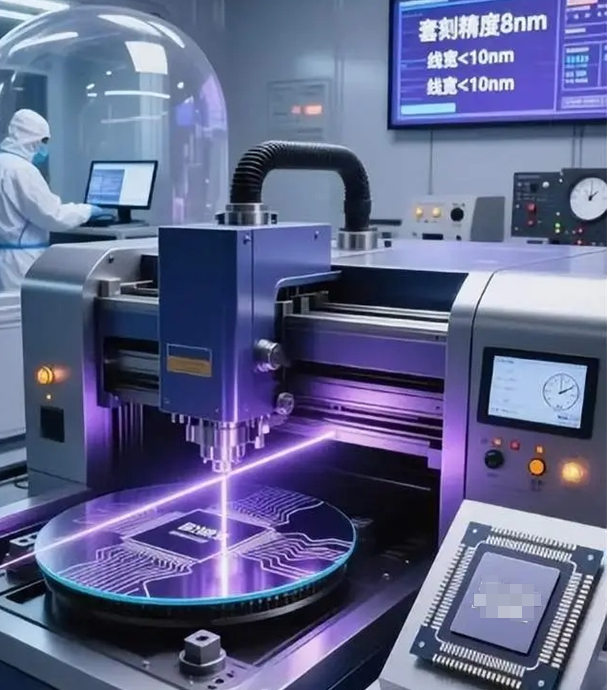
Getting IR Thermal Sensing Right in the Fab
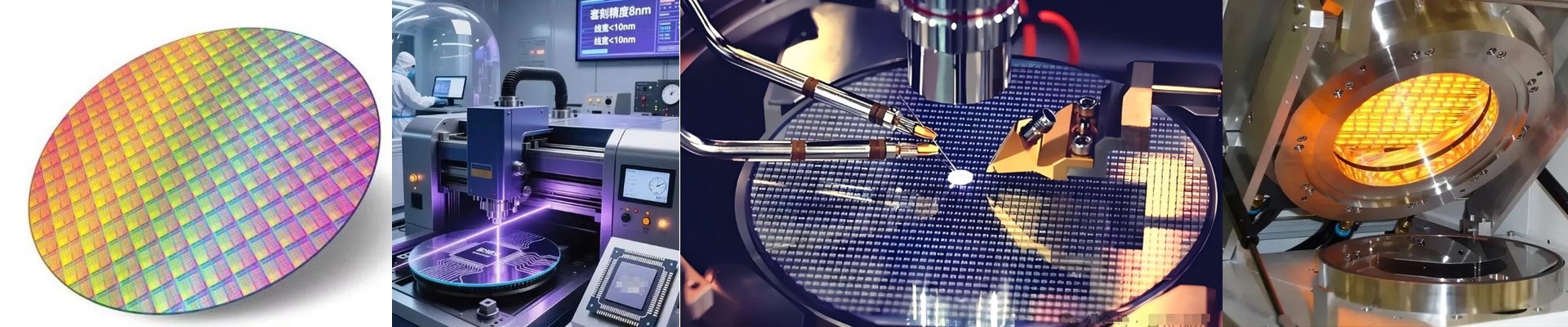
If you’re trying to build a digital twin for your Fab, you quickly realize that sensors aren’t the hard part. The real struggle is getting a data stream that doesn’t drift. For wafer processing, we lean on high-precision infrared (IR) sensing to grab real-time thermal maps. Without that, your whole thermal management system is basically flying blind.
Why we can’t just “touch” the wafer
Here’s the thing: you can’t just stick a physical probe on a wafer. You’d ruin it instantly. That’s why we use IR sensors. They pick up the radiation coming off the silicon and turn it into a temperature reading. But it’s not as simple as pointing and clicking. You have to deal with emissivity. Since silicon changes how it emits heat based on the temperature and the doping level, you’ve got to calibrate for it. If you skip this step, your data is pretty much worthless.
Making the sensors actually talk
In a smart Fab, these sensors can’t just sit there in isolation. We plug them directly into the PLC or SCADA system using high-speed interfaces. This is where the magic happens. It creates a closed loop. If a sensor spots a hot spot on a wafer, the system tweaks the heating elements in a few milliseconds. It’s fast. Really fast. And it’s the only way to stop wafers from warping or ending up with uneven thickness across a batch.
The messy reality of the shop floor
Now, don’t be fooled—this isn’t a “plug-and-play” situation. First, you have to get the field of view (FOV) exactly right. If your alignment is off by a hair, you’ll start picking up heat from the furnace walls or the carrier instead of the wafer. Then there’s the “window fouling” problem. Over time, chemical vapors build up a film on the sensor lens. It’s a silent killer. That film blocks the IR signals, and suddenly your sensors start reading low. You’ll need a strict cleaning schedule or a gas-purge system to keep those optics clear. Because let’s be honest: if your window is dirty, your “smart” factory is just guessing.