
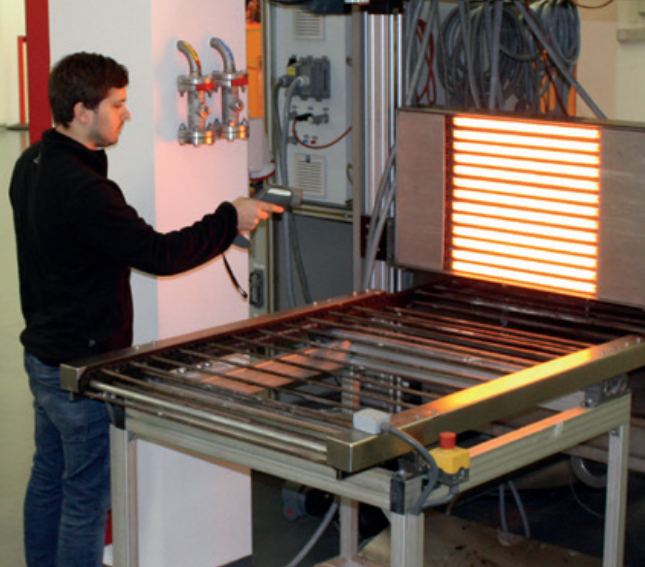
Stop Cooking Your Chamber Walls
Most heating elements are kind of messy. They throw heat in every single direction—360 degrees of energy just blasting everything in sight. When you’re working in a tight semiconductor chamber, that’s a problem. Your expensive interior walls end up taking a beating from heat they weren’t meant to handle. It’s a recipe for disaster. You risk frying sensitive parts, and your operators end up dealing with a machine that’s way too hot to be safe. We handle this differently. We use directional infrared (IR) lamps.
How it actually works
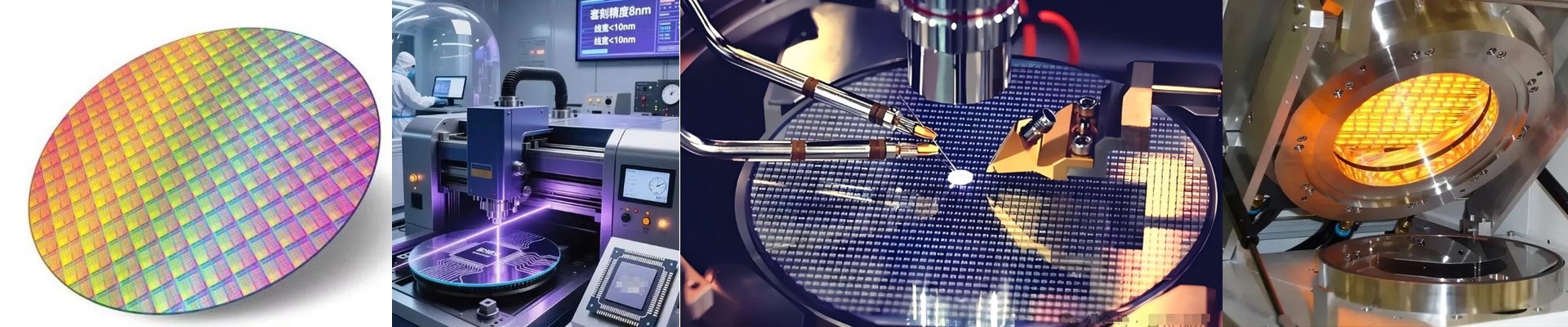
Think of it this way: instead of a lightbulb that glows in all directions, we’re using something more like a flashlight. By using internal reflectors or special coatings, we push the heat exactly where it needs to go—straight onto the wafer or substrate. You avoid that “oven effect” where the whole cabinet just bakes until everything reaches a boiling point. You get the heat you need at the focal point, but the walls stay cool. Simple as that.
The tricky parts
Now, it’s not just “plug and play.” You’ve got to get your reflectors dialed in. If the focal length is even slightly off, you’ll start seeing heat leak into the chassis again. To keep things honest, we usually pair these lamps with high-precision thermocouples. We care about the actual temperature of the substrate, not just the air floating around it. There is a trade-off, though. Space. These setups take up more room than a basic wrap-around heater because of the reflector assembly. You also have to be smart about where you put your cooling fans to whisk away whatever leftover heat manages to escape the beam.
Why this matters for your wallet (and your sanity)
Keeping those walls cool does a few great things. First, your internal seals and wiring don’t burn out nearly as fast. That means less downtime and fewer “emergency” repairs. Plus, your exterior panels won’t turn into burn hazards for whoever is standing next to the machine. But the real win is the efficiency. You stop wasting kilowatts heating up a metal box and start putting that energy into the product. Your HVAC system can finally breathe, and your cycle times actually drop. It just works better.