
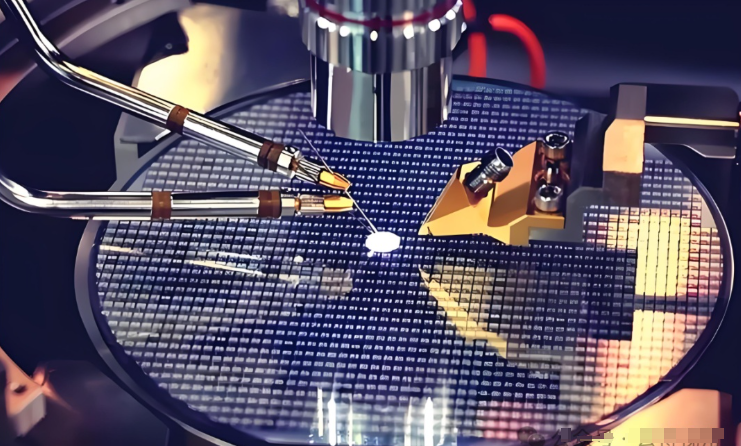
Keeping Your Class 100 Cleanroom Actually Clean
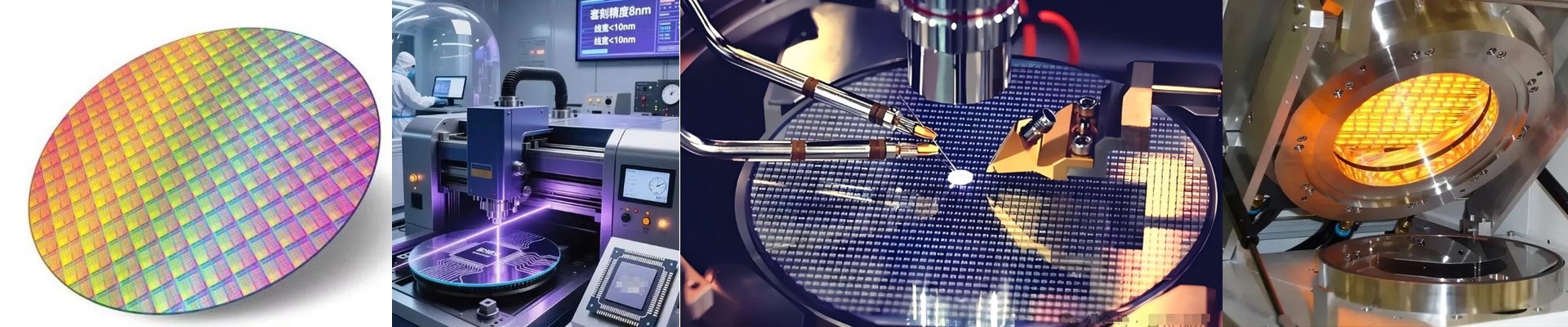
When you’re heating wafers in a Class 100 environment, you can’t afford a single mistake. One tiny bit of outgassing or a few stray particles, and your silicon yields just tank. It’s frustrating. Most standard heating elements just aren’t built for this—they leak microscopic debris that ruins everything. That’s why we switched to high-purity synthetic quartz for our IR lamps.
Why the quartz matters
We use fused silica with almost zero impurities. Why? Because when things get hot, cheap glass breaks down. These quartz tubes act like a fortress, locking the tungsten filament away from your wafer. Since the material is chemically inert, you don’t get that annoying “dusting” effect you see with budget tubes. It’s the only way to keep the air pure while you’re running high-temp cycles.
Heat that actually hits the mark
Our lamps focus on short-wave radiation. Instead of wasting time heating up the air around the wafer, the heat goes straight into the surface. It’s fast. Really fast. And that means your temperature stays uniform across the whole wafer. One heads-up, though: we pack a lot of wattage into a small space. This means you’ve got to get your cooling manifolds right. If your airflow is too weak, the ends of the lamp will overheat and burn out. Nobody wants to deal with that mid-shift.
Getting it up and running
We made these with standard connectors, so they just slide right into your existing tools. No fuss. The seals are vacuum-tight, so you don’t have to worry about halogen gas leaking out. Just a quick tip when you’re wiring them up:**keep the contacts spotless.**Any oxidation on the terminal creates a hot spot, and that’s a great way to crack your quartz. Also, make sure the lamp’s spectral output matches your wafer material. It stops you from wasting energy and keeps the whole process lean without compromising your purity.