Why We Put Our Bathroom Heaters Through “Hell” (The Damp-Heat Test)
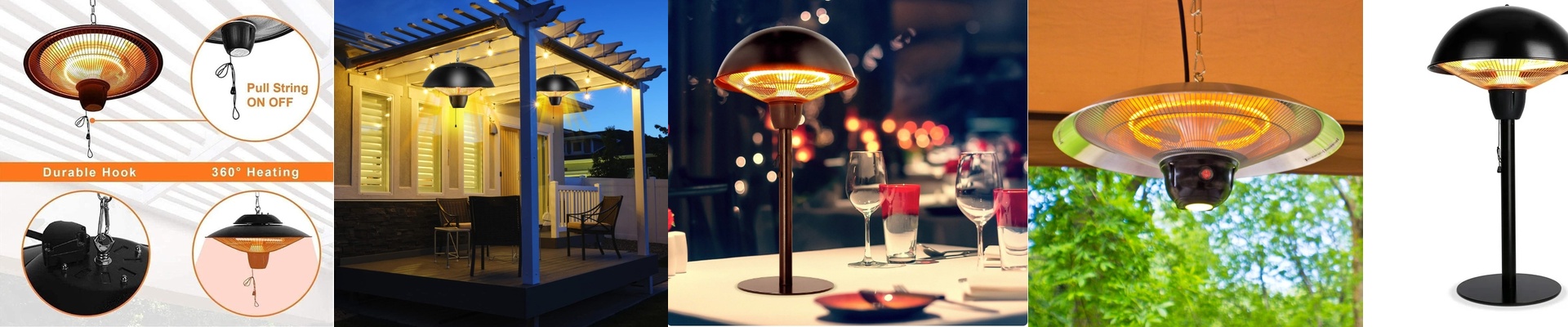
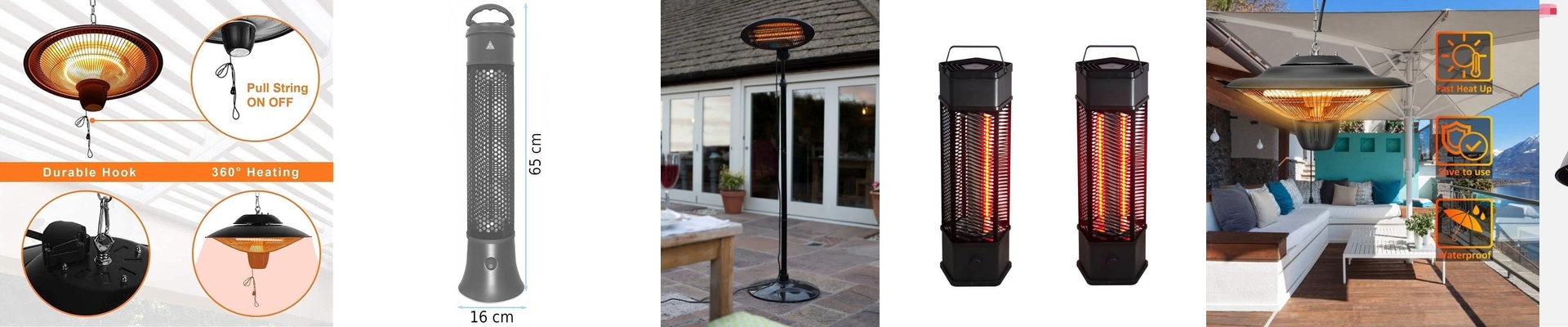
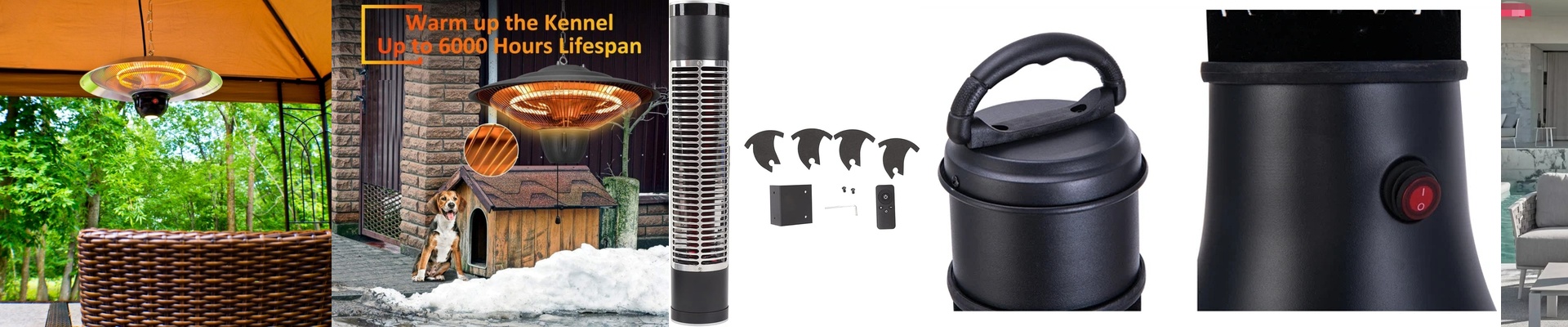
Let’s be honest: bathrooms are a nightmare for electronics. You’ve got thick steam, constant humidity, and the occasional splash of water. It’s the kind of environment that loves to eat wires for breakfast. Now, you’ll see “IP66” on our infrared heaters. That sounds fancy, but to us, a rating is just a piece of paper. We don’t trust a single spray test to tell us if a heater will actually last five years in a real home. Because moisture is sneaky. It doesn’t just sit on the outside. Over time, water vapor finds a way in. It creeps through seals or seeps through gaskets that have started to age. Once it’s inside, it starts eating away at the wiring and contacts. That’s why we use damp-heat aging tests. We basically create a torture chamber—swinging the units between extreme heat and oppressive humidity—to force those failures to happen in our lab. We’d much rather the unit break on our bench than in your customer’s bathroom. The “Day 500” Problem A seal might be perfect on day one. But what about day 500? Think about it: the infrared lamp gets hot, then it cools down. Then it gets hot again. That constant expanding and contracting can warp the housing or loosen a gasket. So, we push the units to their thermal limits and then hit them with moisture. If a seal shrinks even a tiny bit, we’ll find it. We check every terminal for rust and every driver compartment for a single drop of water. If it’s not bone-dry, it doesn’t pass. The Balancing Act Here’s the tricky part: if you make a unit too airtight, you run into a new problem. You trap the heat inside. If the internal electronics can’t breathe, they basically cook themselves. It’s a trade-off. We have to keep the water out while still letting the heat escape. We solve this with strategic venting and smart heat-sink placement. Sometimes, that means making the unit a little larger to ensure there’s enough airflow. To us, a slightly bigger footprint is a small price to pay for a heater that doesn’t burn itself out.