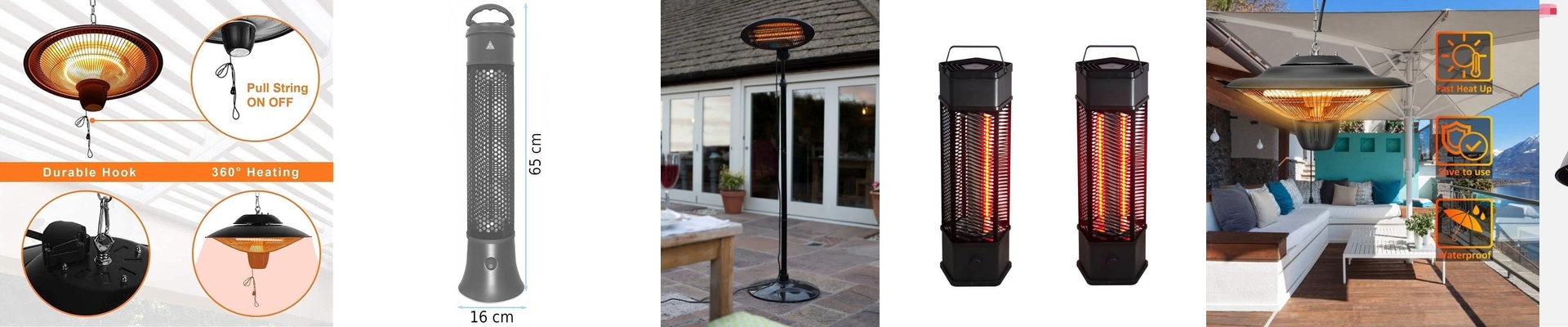
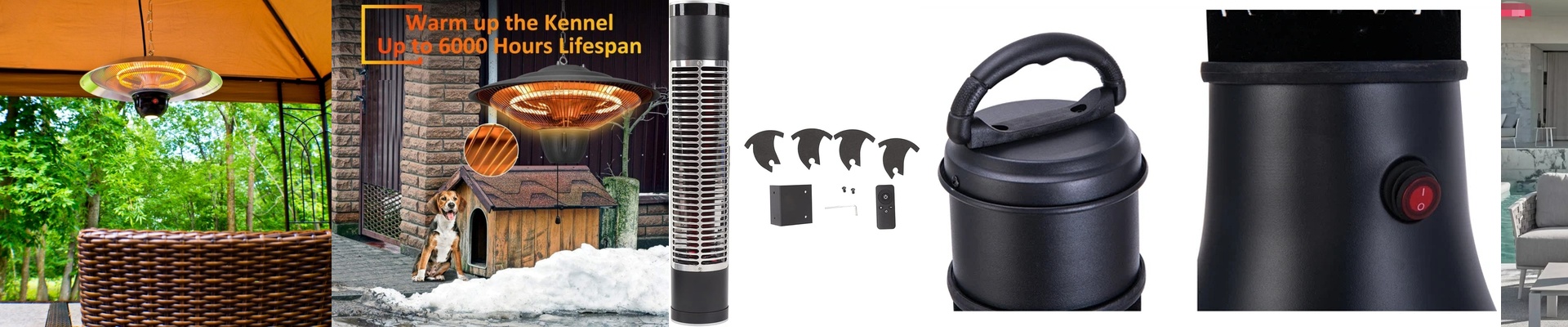
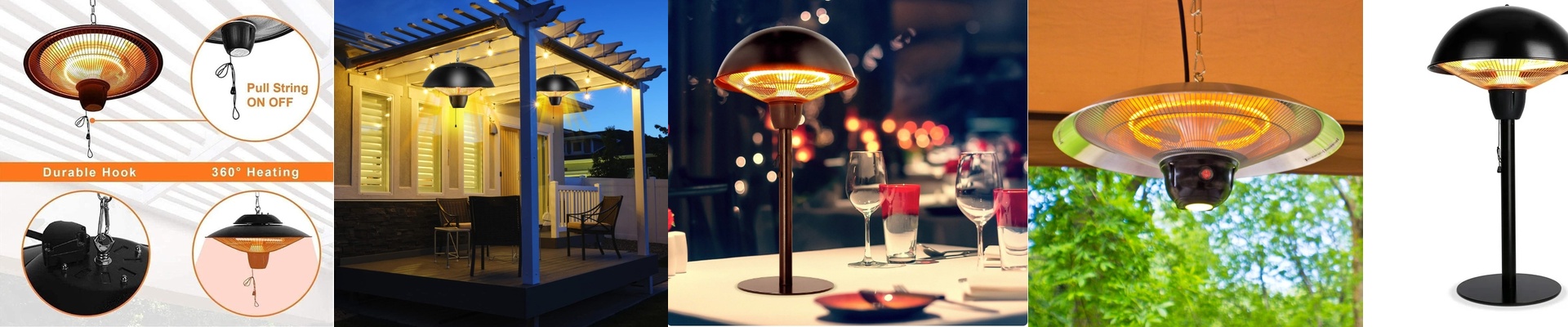

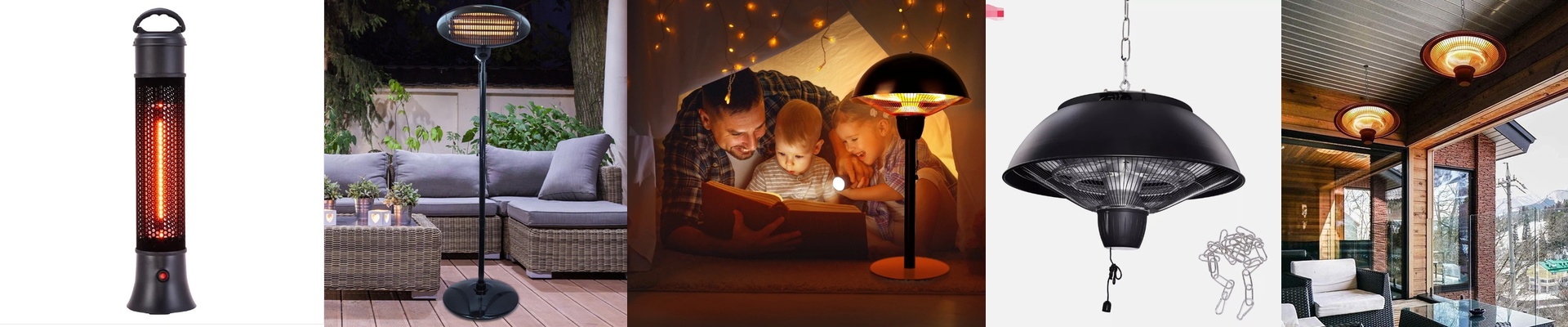
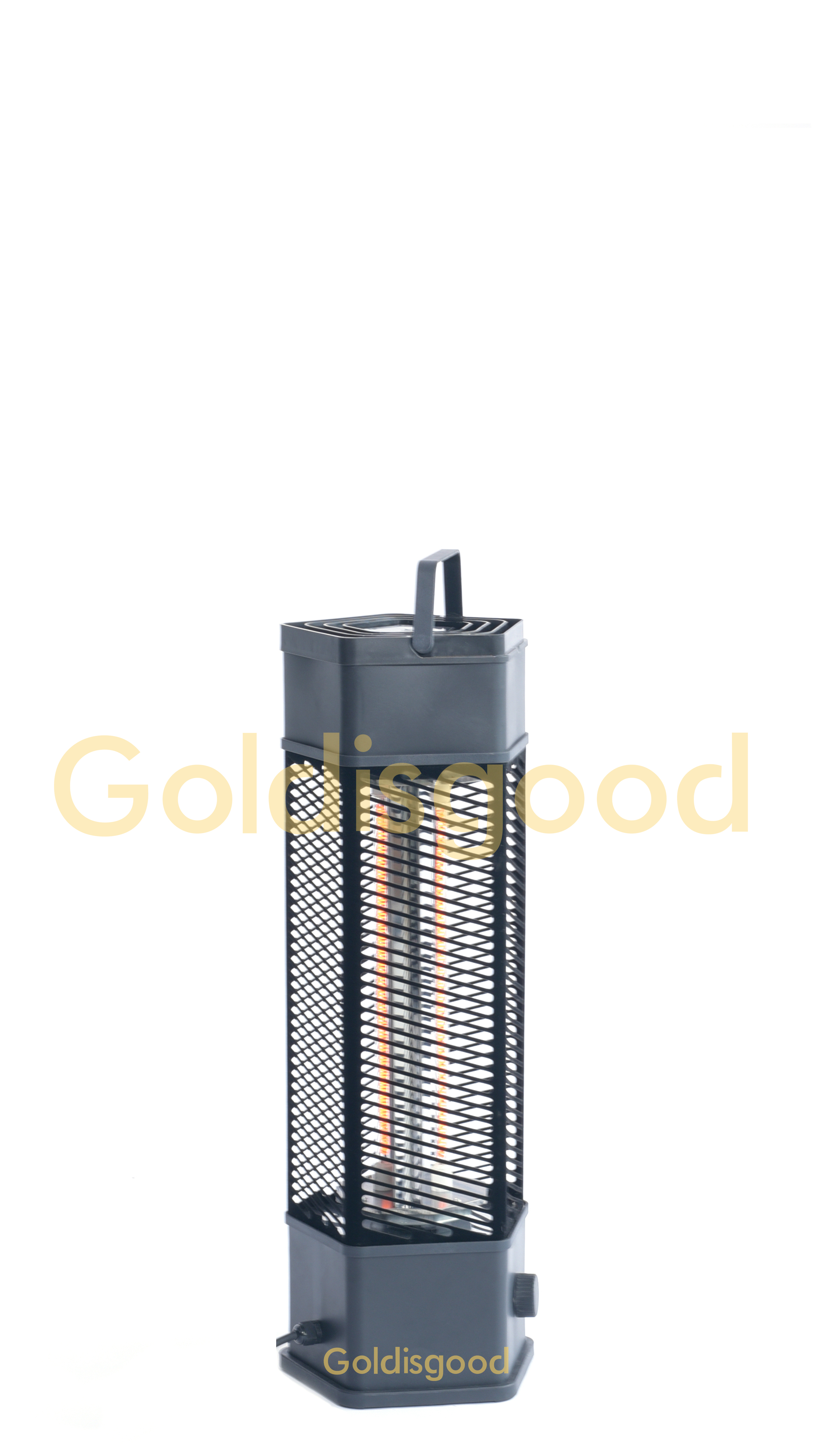
Cold feet don’t just kill the mood—they cut the evening short. Whether you’re lingering on the deck after dinner or trying to read in a drafty corner, numb toes pull your attention away from what you’re actually there for. We built our infrared foot warmers around one practical goal: heat that hits fast, holds steady, and keeps performing season after season.
What matters under the hood
We lean on infrared radiant heat, delivered through a high-efficiency quartz tube element. The idea is to put warmth where you need it—lower body, feet, ankles—without that forced, blower-style feel. Each unit runs on standard 120V, draws 800W, and heats a personal footprint instead of trying to warm the whole room. A built-in thermostat holds your set comfort level, and tip-over protection shuts the heater off if it gets knocked over. The housing is finished to an IP34 rating, so it can handle the damp of an outdoor evening without getting rattled.
Why it holds up in real use
Comfort only matters if the heater shows up when you need it. Before any foot warmer leaves the line, it spends time under full power on our aging racks. Every unit gets a 100% full-load burn-in cycle—the same kind of stress it’ll see in your living room or on your patio. That process catches weak connections, components that drift out of spec, and early-life failures before they ever ship. The payoff is fewer returns, consistent output, and a heater that starts strong every time. Warmth on demand—no waiting around.
Placement and practical notes
Infrared warmth works best when it has a clear line to the target. Put the foot warmer under a table or near your seating area, and keep the element unobstructed. Radiant heat warms people and objects directly, so you feel comfortable sooner—even when the surrounding air is still cool. **One heads-up:**the surface gets warm, so keep the unit out of high-traffic foot paths and away from curtains or other flammables. Set it up sensibly, and you get dependable comfort with minimal fuss.