



Stop Wasting Heat: Why Gold-Coated IR Actually Works
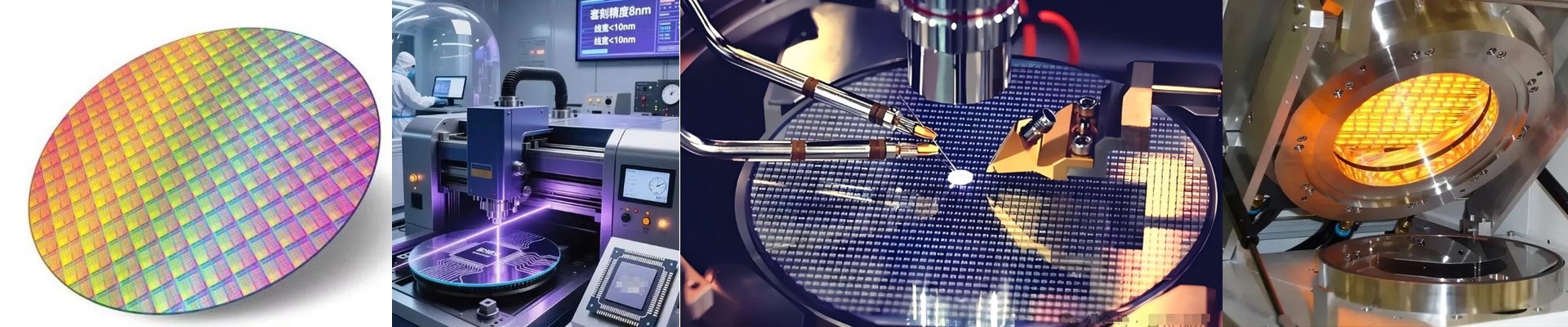
In a semiconductor fab, every bit of wasted energy is just money disappearing into thin air. Most IR lamps are pretty inefficient—they throw heat in every direction, but the only place you actually care about is the wafer surface. We decided to fix that. By adding a gold coating to the lamp, we basically force the physics to work in your favor. It turns a basic emitter into something much more precise. Why gold? It’s not about looking fancy. In the infrared world, gold is a beast when it comes to reflectivity. Think of it this way: instead of letting heat bleed backward into your machine’s chassis, the gold layer acts like a wall. It bounces those photons forward. You end up with a concentrated beam of energy hitting the wafer exactly where it needs to go. Getting the focus right This isn’t just a mirror slapped on a tube. We spend a lot of time on the thickness and purity of that gold layer. We want to make sure the shortwave IR energy gets through without getting boggedged down. The result? You hit your process temperature way faster. You get a massive jump in heat density, and the best part is you don’t have to crank up the wattage on your power supply to get it. A few things to keep in mind Since the heat hits the wafer so much faster, you’ve got to be careful. Check your PID controllers. If you don’t, you might run into overshoot or thermal shock. Also, because we’re pushing all that energy forward, the lamp itself can get hot—fast. Just double-check your cooling airflow so you don’t burn out the ends of the tubes. If you’re upgrading an old line, these are easy. They just drop right in. Plug them into your existing power rails and you’re good to go. Just keep a close eye on your surface sensors during those first few runs. You’ll notice the difference in radiation almost immediately.