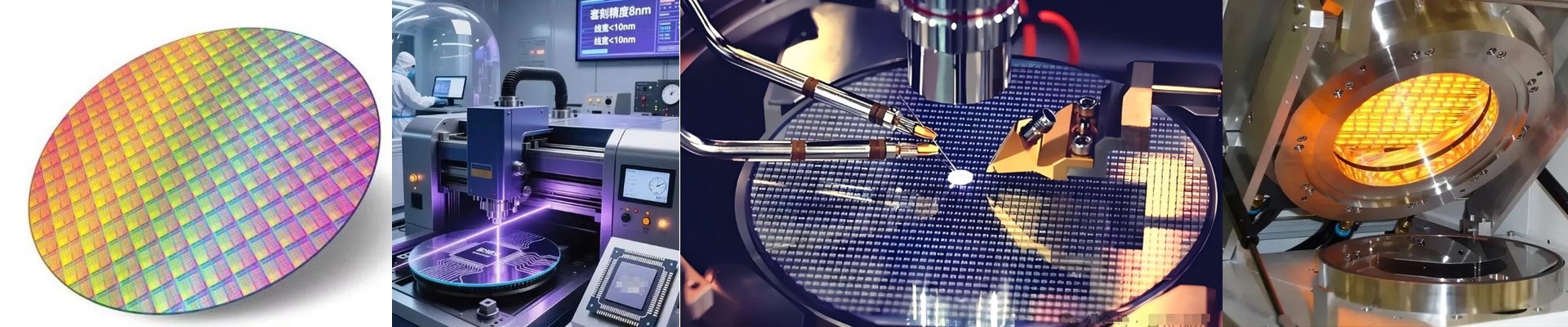
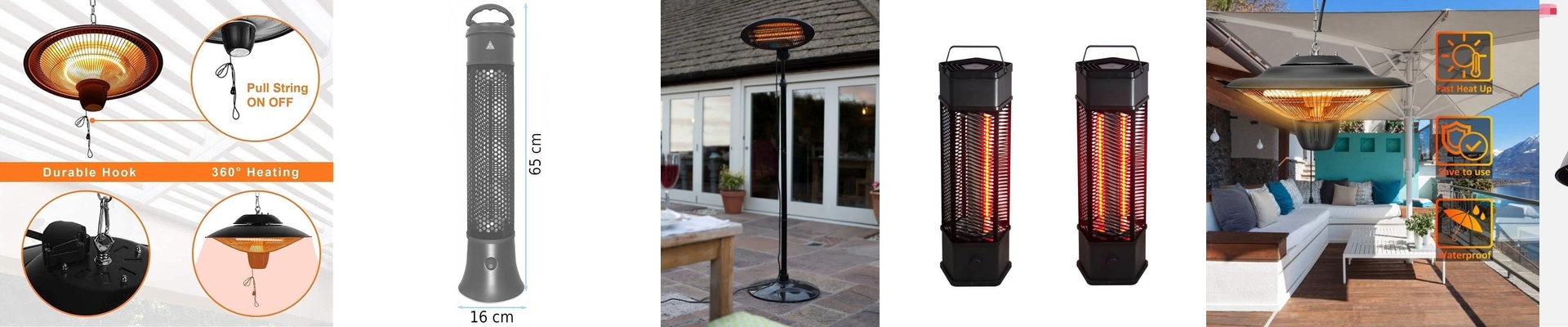
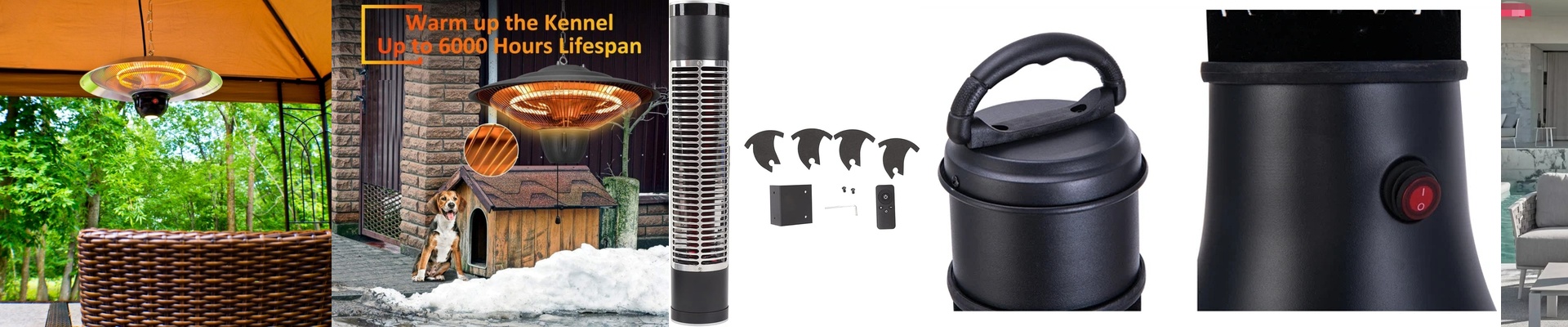
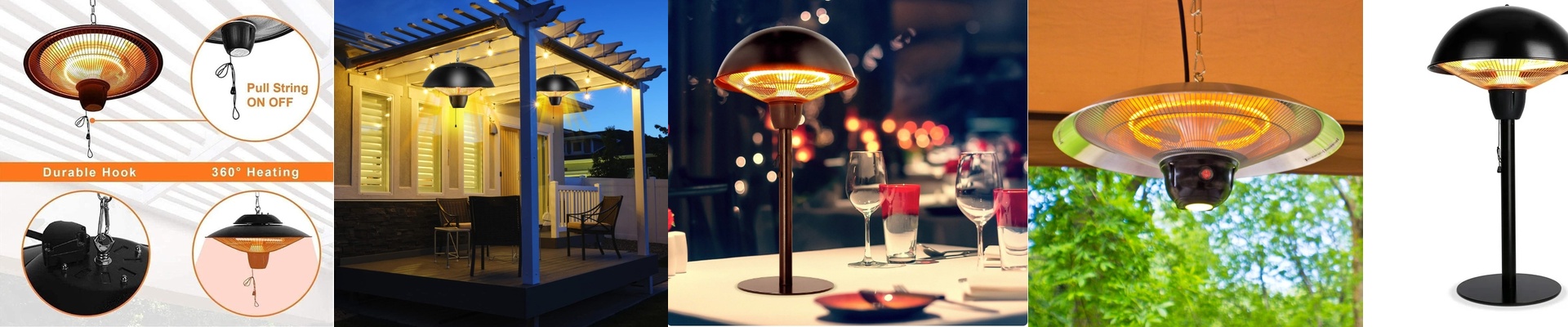
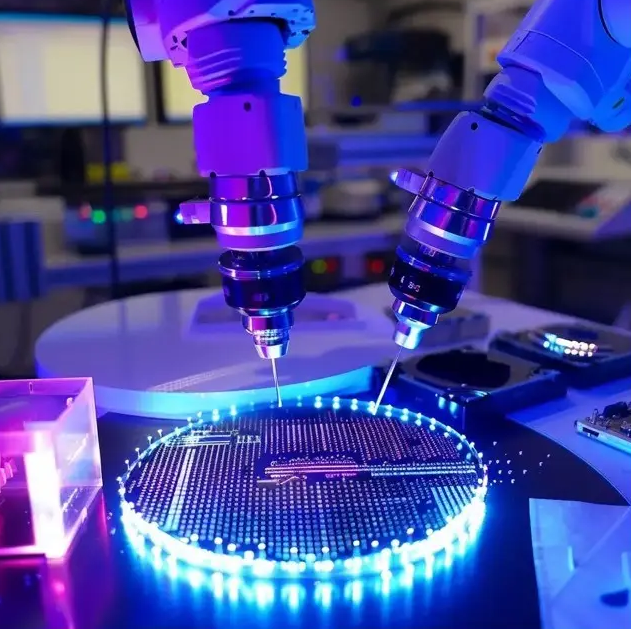
On the lithography floor, a half-degree drift during soft bake is enough to walk your linewidth by nanometers. Run the hard bake a little too hot, and you bake in defects that make it all the way to final test. If you’re chasing yield, “warm” isn’t good enough. You need a heater that holds wafer-level uniformity—steady, shift after shift, in Class 1–100 cleanrooms. What matters under the hood We build the fab heaters around short-wave infrared elements and quartz thermal assemblies. The heat comes on fast, stays clean, and you can keep the temperature on a short leash. Across the wafer, the target is ±0.1°C uniformity, and repeatability stays inside a tight thermal budget so every bake lands the same as the last. The controls are calibrated to semiconductor process windows, and the hardware is specced to run 24/7 without surprise downtime. Particle generation is engineered out of the package, and the materials are chosen to take repeated thermal cycling without outgassing. Why it sticks in real processes In photoresist processing, that kind of precision buys you stable critical dimension control and fewer rework lots. In packaging, consistent heating improves adhesion and void control, which cuts scrap and rework. The day-to-day payoff is fewer excursions, cycle times you can count on, and real savings on energy and spares. When the heater behaves, the process behaves. Here are the practical details These units integrate cleanly into existing tool platforms, but footprint and interface needs vary by machine. Get voltage, connector type, and mounting dimensions nailed down up front so you don’t end up doing field mods. Plan a short commissioning run to lock in setpoints across your soft bake and hard bake recipes. One constraint you can’t ignore: the heater has to be matched to the chamber’s thermal mass. If the thermal coupling is off, uniformity falls apart—even with top-notch elements.