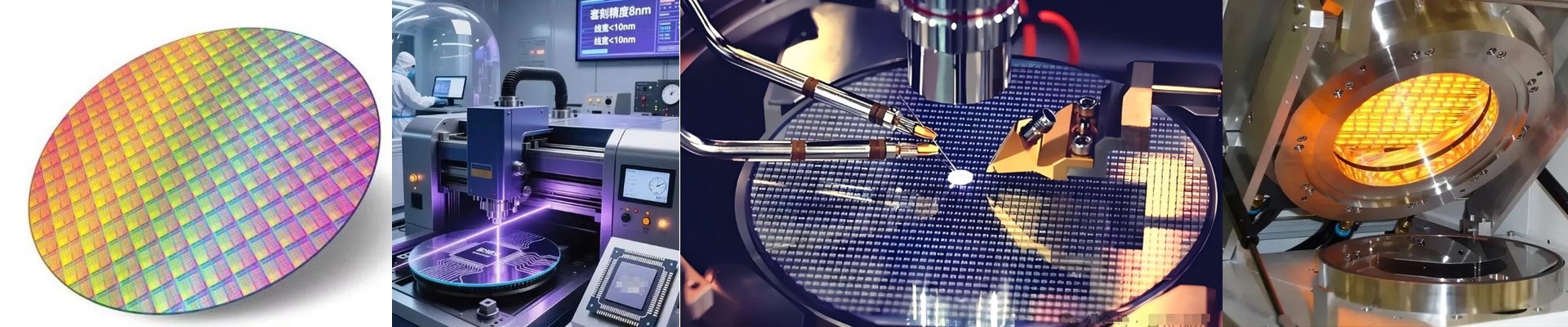
Out on the line, the Aixtron MOCVD reactor is where the thermal budget lives and dies. If the heater element starts drifting, temperature uniformity goes sideways. Wafers fall off spec, run-to-run repeatability slips, and you’re suddenly chasing particle counts instead of uptime. Drop in a genuine Aixtron heater element spare and you’re back to the original thermal profile—quick. What matters under the hood This replacement is built for Aixtron reactor thermal systems: stable resistance, fast-response heating that keeps closed-loop control tight. The geometry matches the chamber heater footprint and terminal setup, so it drops straight back into the existing fixtures and sensors. Materials are chosen for high-temperature stability and low outgassing, so the chamber stays clean. The payoff is consistent temperature uniformity across the wafer plane—predictable photoresist bake performance in litho, repeatable epitaxy conditions in the MOCVD. Why this matters in production Uptime in semi is about avoiding the unplanned stops. A matched spare cuts variability between runs, shortens qualification after maintenance, and keeps yield safe from thermal excursions. You end up with fewer scrap wafers, stable critical dimensions, and less energy burned compensating for heater drift. In photoresist processing, that precision means repeatable soft bake and hard bake profiles—less edge bead, fewer residues, and less rework. Here are the practical details Installation tolerances are tight. Verify connector type, mounting clearances, and thermocouple/sensor alignment before the swap, then confirm reactor calibration after the replacement. Treat the element as a matched component—mixing vendors shifts thermal response and forces you to re-tune the control loop. Build your spare inventory around preventive maintenance windows, not emergency downtime.