When winter settles in, the real test isn’t just comfort—it’s what it costs to hold onto it. Electric oil-filled radiators are solid workhorses, but they heat the air, and warm air has a habit of slipping away. So the heater runs longer, and the bill climbs.
What matters, under the hood
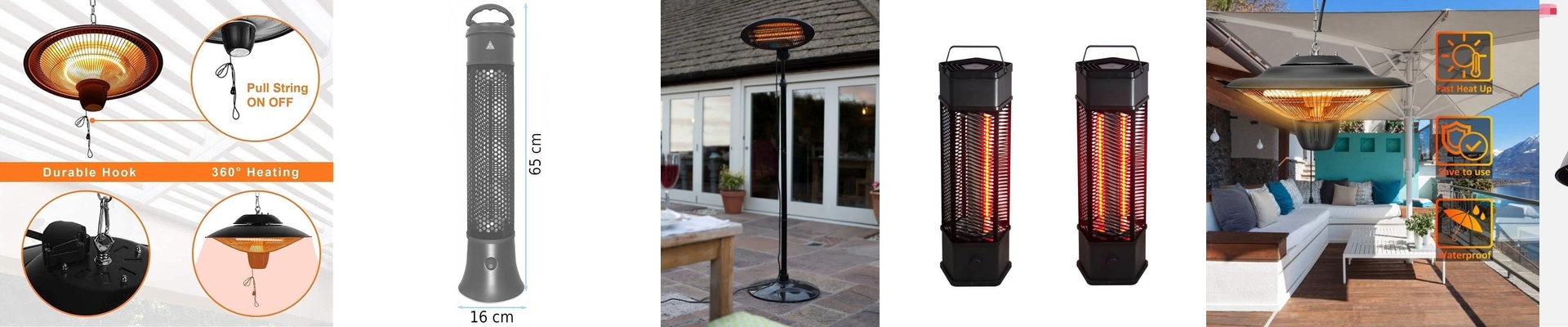
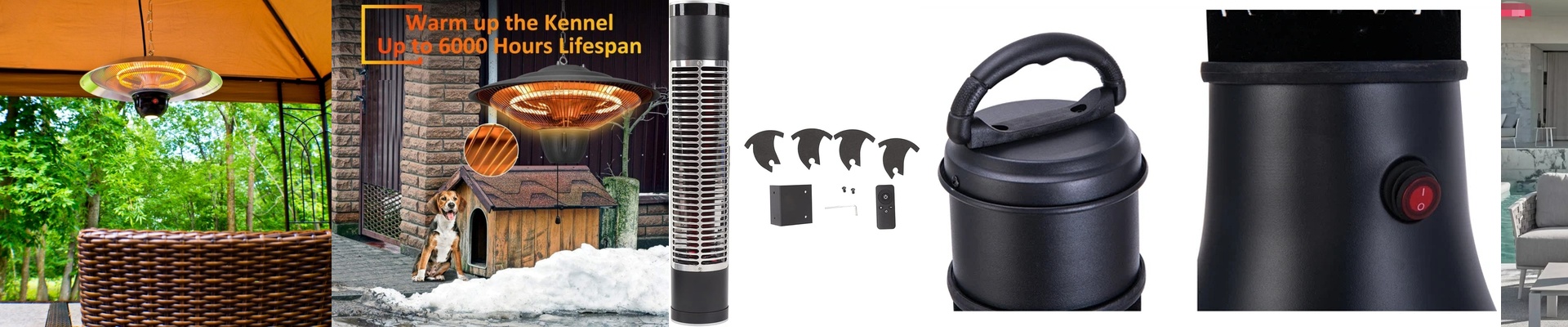
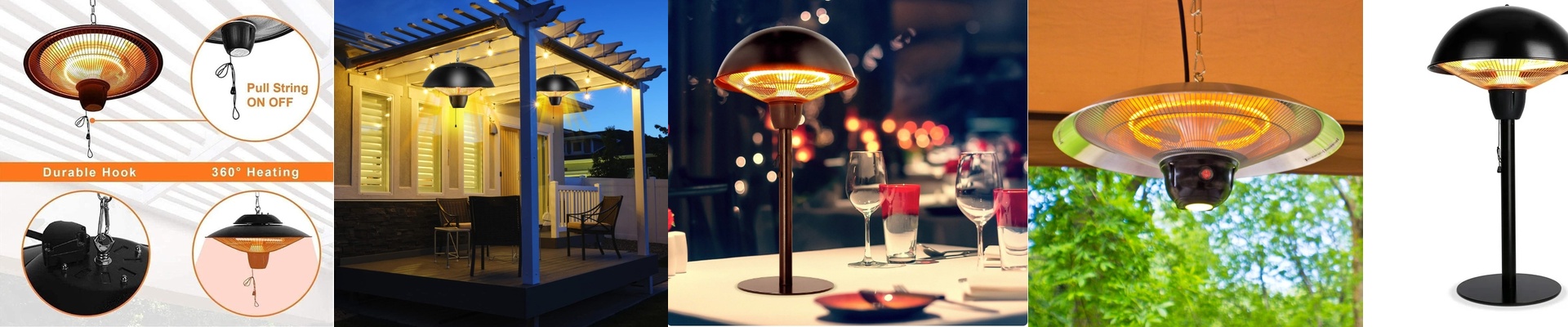
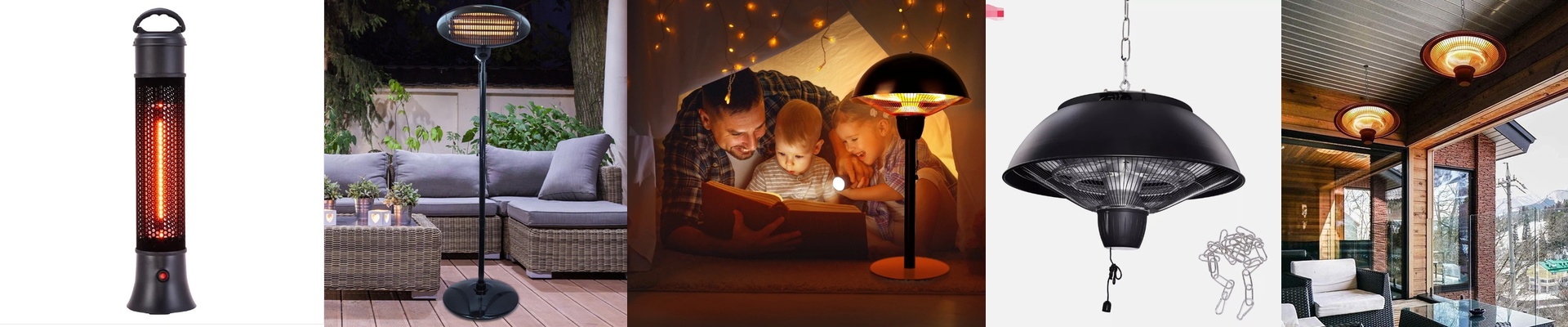
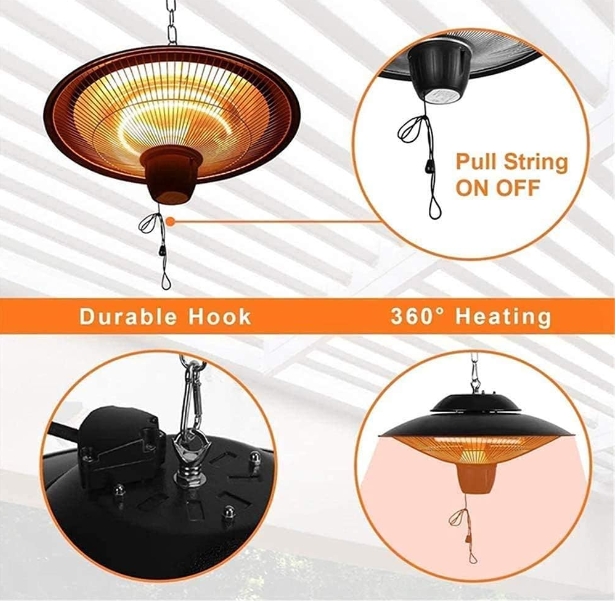
An electric fireplace heater built around infrared technology delivers warmth the way the sun does—radiating heat straight to people and objects, not to the air. In many modern units, you’re looking at a carbon fiber element or a quartz tube producing targeted infrared warmth, pulling about 1,200–1,500W on a standard 120V household circuit. The payoff is directional comfort: you feel the heat where you need it, when you need it.
Why it makes sense in practice
Compared with an electric oil-filled radiator, infrared gets you to a comfortable “feels like” temperature faster because it doesn’t wait for the air to warm up. In real life, that means fewer run-hours to hit the same comfort level in a living room, den, or covered outdoor sitting area. Fewer run-hours mean less energy used, and that shows up on the bill. Many homes see the biggest savings in the spots where warm air vanishes—high ceilings, drafts, large windows.
What you need to keep in mind
Infrared warmth is immediate, but it works best when the heater has a clear line of sight to the people in the room. If you’re after whole-room heating, pair the unit with a gentle background heat source. Because infrared heaters run warm at the front, look for models with a protective grille, tip-over protection, and a thermostat to keep comfort steady. Most plug into a standard outlet, but for permanent installations, you may need a dedicated circuit—check the label and your home’s wiring before you settle on placement.