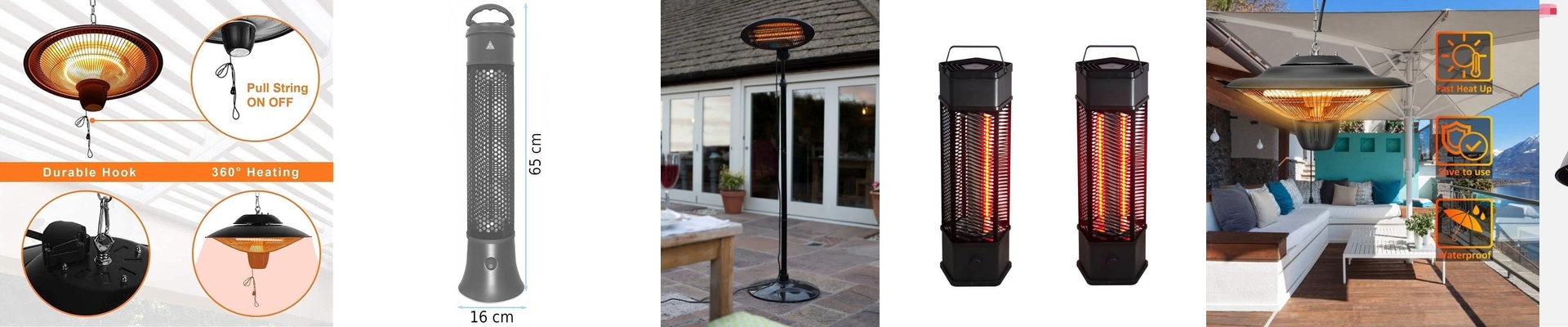
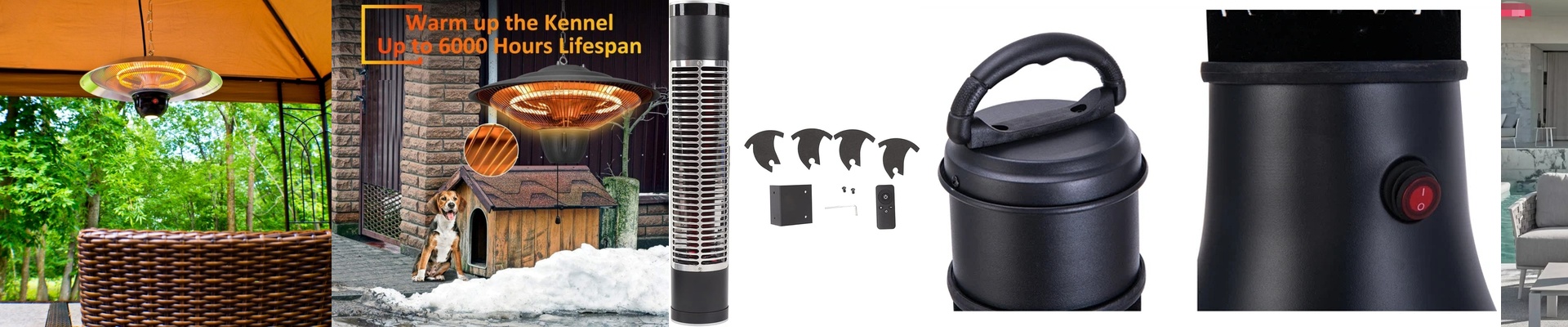
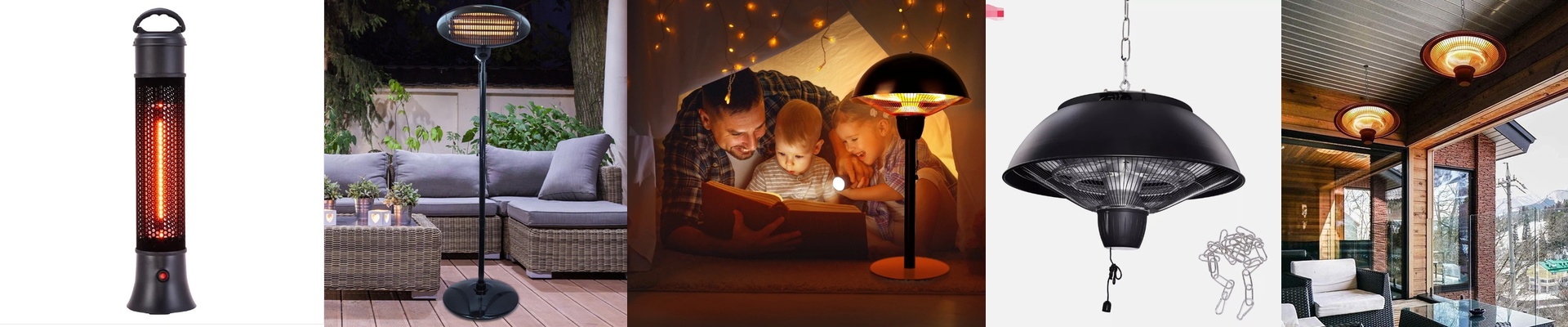
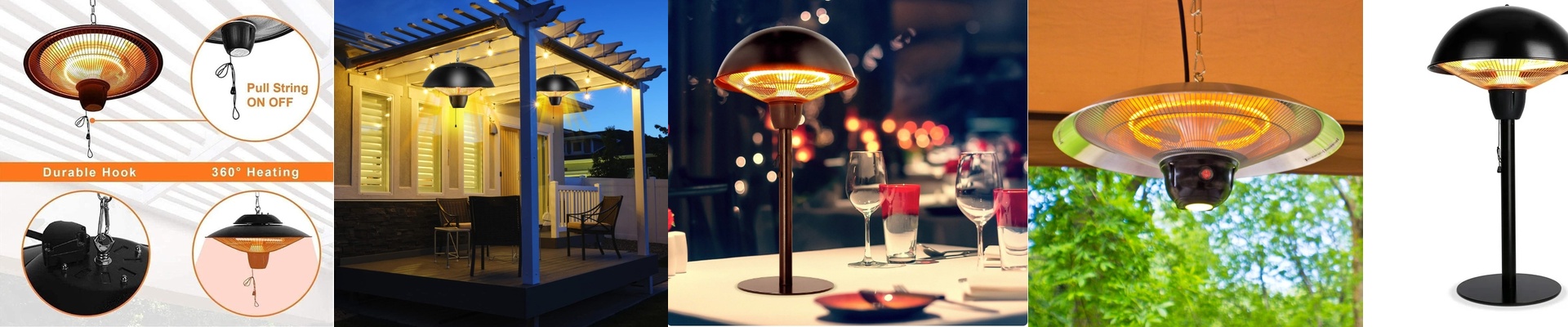

Winter does this thing where you feel warm air, yet your skin gets tight, static keeps biting, and wood starts fighting back against the dryness. The problem isn’t lack of heat—it’s the way the heat is delivered. Convection heaters warm the air first, and that air drags moisture along with it. The room can feel “heated,” but comfort goes sideways. A freestanding infrared heater takes a different approach. It delivers radiant warmth that travels in straight lines and heats people and furnishings directly. What’s actually going on under the hood Infrared heaters lean on a radiant element—often a quartz tube—that throws off long-wave infrared energy. That energy doesn’t need air to carry it. It moves through the space and gets absorbed by solid surfaces, clothing, and skin. So you get object-first heating. The air can stay cooler while perceived warmth stays high. Many freestanding units run on standard household voltage and include an adjustable thermostat, so you can hold a steady comfort level instead of chasing short bursts of hot air. Safety is built in with tip-over protection and protective grilles, and indoor-rated models are designed to keep the outer surface cool. Why this matters in living rooms and bedrooms Comfort isn’t just air temperature. Radiant warmth keeps you cozy without constantly stripping moisture from your skin and the room. You feel comfortable sooner, and the space feels more stable—fewer hot-and-cold swings. Because infrared energy heats objects, the air stays more consistent, which helps you keep a healthier humidity balance. That translates to less throat irritation, fewer static shocks, and less stress on plants and wood furniture. What you need to get right on the install Infrared warmth is directional, so position the heater where it has a clear “line of sight” to the people in the room. It performs best when objects are within the effective radiant range—think seating distance, not across a large open hall. If you need full-room coverage, you may need a higher output or multiple units. Always respect clearances from drapes and furniture, and make sure the tip-over protection is on a level surface. This is targeted comfort, and it works when you match output to room size and layout.