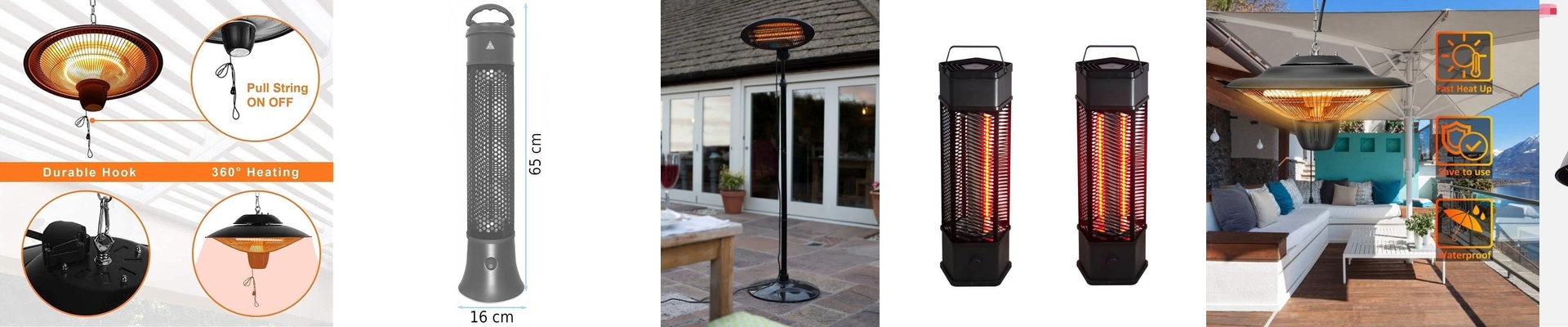

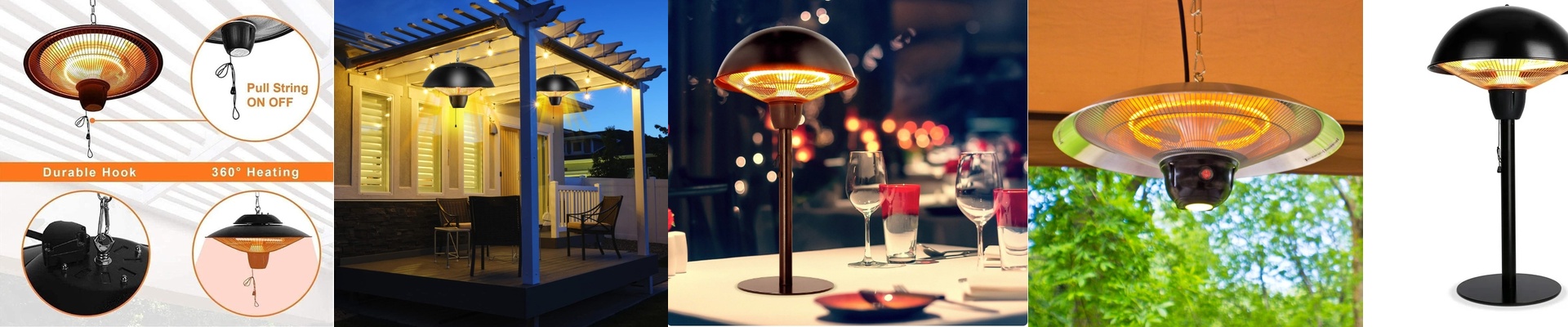
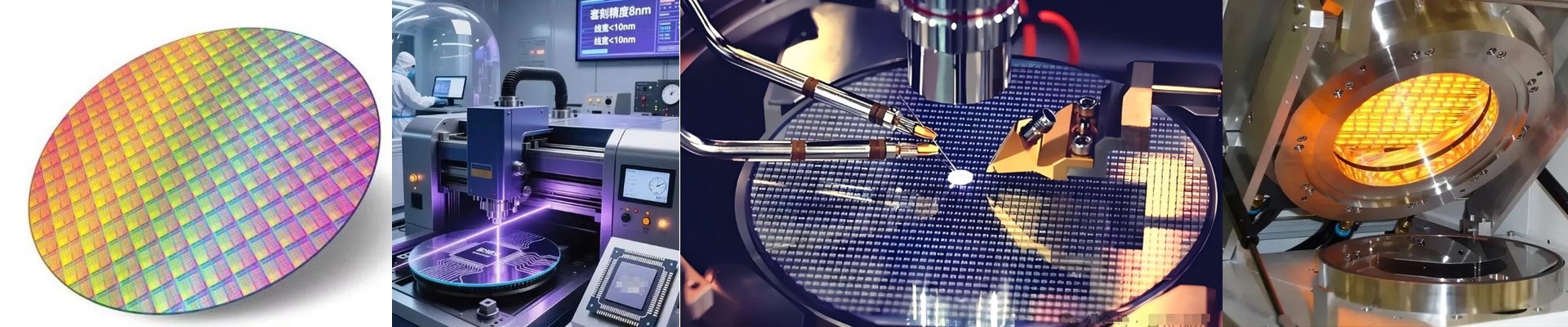
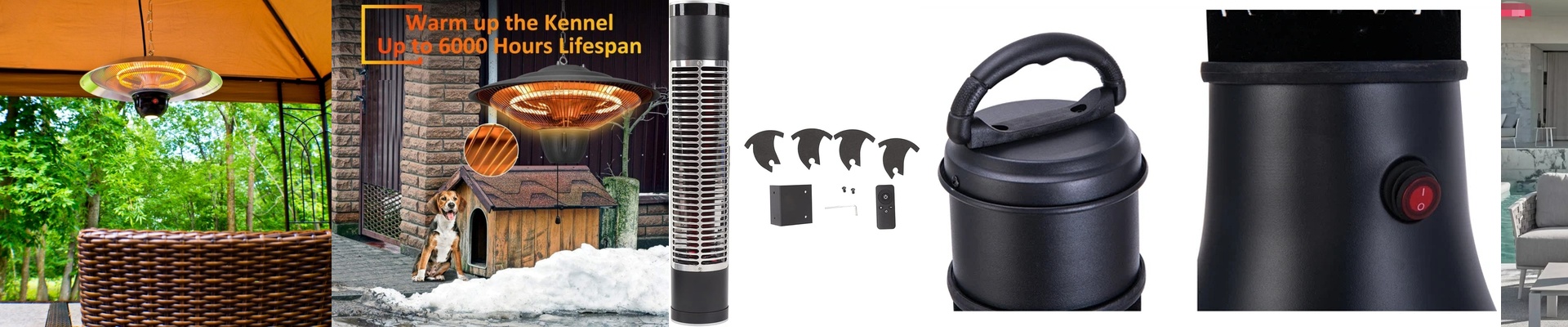

What Makes These Heaters Tick: Power, Voltage, and Size
Here’s the thing about these electric heaters—we didn’t just throw specs together. We built them with one clear goal in mind: packing a ton of heat into a small space. That 400V, 2500W rating on a 300mm tube? Totally intentional. It’s all about getting the right amount of wattage per inch to warm up tight spots or hit specific machine areas fast. And running at 400V isn’t just for show. It gives you the headroom to deliver that kind of power without pushing your wiring into dangerous territory. The payoff? You feel the heat almost instantly. But, and this is key, your machine’s cooling and thermal setup needs to keep up.
The Build: Halogen, Quartz, and a Reliable Connection
Inside, you’ve got a halogen-filled quartz tube. The halogen cycle does a neat trick—it keeps the heating element clean, so you get steady, consistent heat over time. That means it lasts longer than your standard filament. The quartz tube itself is no slouch. It handles high temps and doesn’t crack under pressure, so it’s tough enough for the daily grind of industrial use. Then there’s the R7s connector. It’s a direct, solid connection that makes wiring a breeze and carries the load without blinking. We also added a reflective coating to the tube. It pushes the infrared energy forward, so you’re not wasting heat. You get all the intensity focused right where you need it.
Built for the Real World
These heaters were born for industrial settings. Think heating the space right next to a work cell, warming up a specific process, or keeping an enclosure at the right temperature. Their compact 300mm length and focused heat make them a natural fit for those awkward, tight spots. And thanks to that R7s connector, installation is straightforward. Just remember, this is high-intensity heat. You’ll need to give it proper clearance and make sure there’s enough ventilation. That way, you keep nearby components safe from the warmth.