

Why Your Bathroom Heater Actually Matters
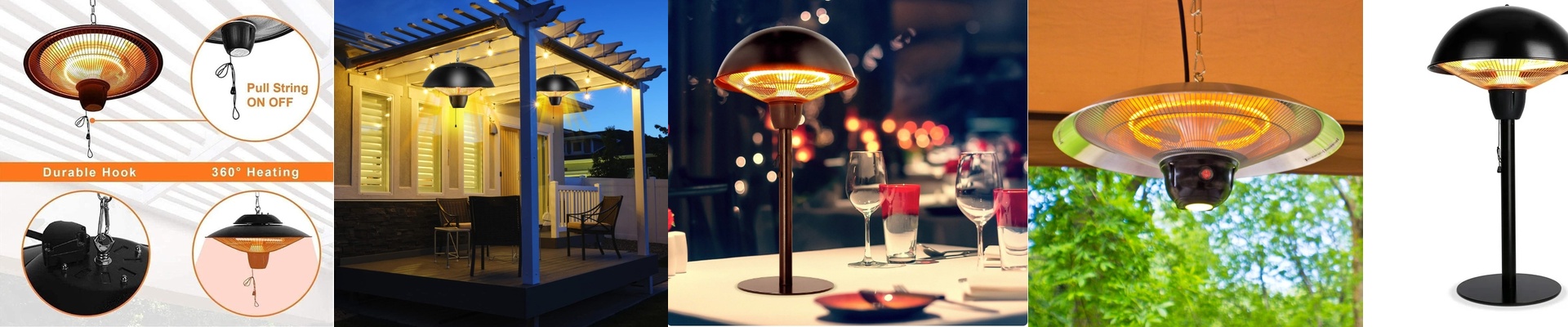
Most bathroom heaters are pretty lazy. They just warm up the air, which usually ends up floating right up to the ceiling while you’re still shivering on the bathmat. We did things differently with our high-ceiling infrared lamps. Instead of just making the air warm, we focused on the walls. By tweaking how the light emits, these lamps target the moisture hiding on your surfaces. It’s basically a way to kill mold before it even thinks about moving in. Dealing with the damp Here’s the thing: mold loves a damp, stagnant room. When you use a standard heater, your walls stay cold, which is exactly why you get that annoying condensation. Our lamps use short-wave radiation. It sounds fancy, but it basically means the heat sinks right into your tiles and grout. It gets the water molecules vibrating and raises the surface temperature of the room. Once the walls stay above the dew point, the water just evaporates. It’s like having a dehumidifier that doesn’t actually need to move any air. The nitty-gritty on heat We use quartz glass with special coatings to make sure the heat actually hits the floor and walls, rather than just heating up the attic. Plus, the high-wattage elements mean they kick in almost instantly. You flip the switch, and you feel it. Immediately. But a heads-up: this kind of heat is intense. Because it’s so powerful, you can’t just wing it with the placement. If you hang them too low or pick the wrong wattage for your room size, you’ll end up with “hot spots” that feel like a tanning bed. You’ve got to do the math on your ceiling height first. Getting it installed The good news? These are designed to drop right into your existing fixtures. We used reinforced connectors because we know these things expand and contract every time they heat up and cool down. One pro tip: be careful with the quartz tubes. They’re tough against humidity, but they hate oil. If you touch them with greasy fingers during installation, they can crack or burn out early. Just give them a quick wipe with some isopropyl alcohol before you wire them up, and you’re good to go.